



Tips for picky eaters: encouraging real food from our garden?
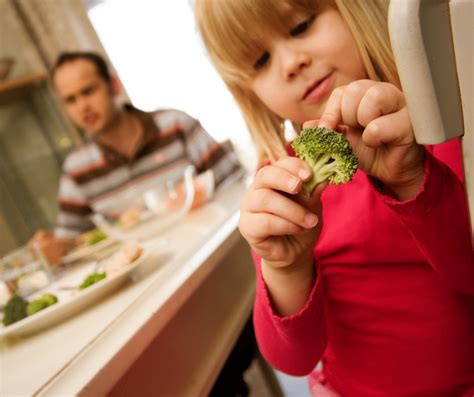
Ah, the picky eater. A familiar challenge for many parents, often leading to mealtime battles and culinary compromises. While it’s tempting to fall back on tried-and-true favorites, encouraging children to explore a wider variety of ‘real food’ – especially fresh produce – is crucial for their long-term health and adventurous palates. And what better place to start than your very own backyard garden?
Connecting kids to their food source can be a game-changer. When they’ve seen a vegetable grow from a tiny seed to a ripe fruit, they develop a sense of ownership and curiosity. This article offers practical tips to transform your garden into a classroom and your kitchen into a delicious laboratory for even the most hesitant eaters.
Get Them Involved from Seed to Plate
Participation is the most powerful tool for overcoming food aversions. When children feel they have a stake in the process, they’re much more likely to try the end product.
Choosing What to Grow
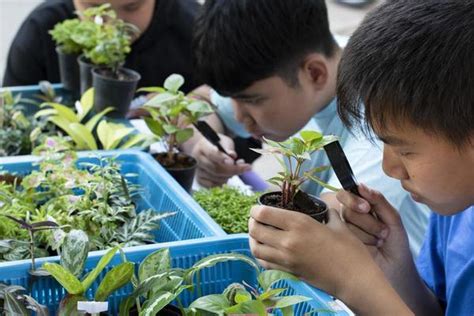
Let your child be part of the decision-making process. Give them a few options of easy-to-grow vegetables or fruits, perhaps something colorful or uniquely shaped. Cherry tomatoes, snap peas, strawberries, carrots, and miniature pumpkins are often big hits. When they choose it, they’re invested from day one.
Planting and Tending
Allocate a small plot or a few pots that are ‘theirs.’ Teach them how to plant seeds, water regularly, and even gently pull weeds. This hands-on experience teaches responsibility and builds excitement for what’s to come. They’ll marvel at the sprouts and enjoy watching their plants grow bigger each day.
Harvesting Together
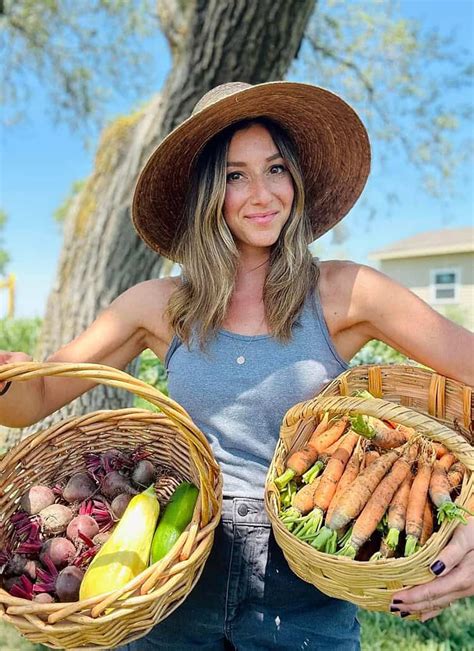
The moment of harvest is incredibly rewarding. Let your child pick the ripe vegetables and fruits themselves. The sensory experience – the smell of fresh earth, the feel of a warm tomato, the crunch of a pea pod – can be transformative. This direct interaction helps them understand where food comes from, making it less abstract and more appealing.
Creative Ways to Serve Garden Goodies
Once harvested, the next step is getting those fresh ingredients onto the plate. Presentation and preparation play a huge role in appealing to picky eaters.

Presentation Matters
Kids eat with their eyes first! Arrange vegetables in fun shapes, make faces on plates, or use cookie cutters for cucumbers and bell peppers. Offer a variety of colors. Dips like hummus or a yogurt-based dressing can also make raw veggies more inviting. Think about how you’d present a special treat – apply the same creativity to your garden produce.
Cooking Together
Involve them in the kitchen too. Let them wash vegetables, tear lettuce for salads, or stir ingredients (age-appropriately, of course). When they’ve helped prepare a meal, they’re far more likely to try it. Cooking together is a fantastic bonding activity and teaches valuable life skills.
The “Taste Test” Game
Turn tasting new foods into a fun game. Blindfold them (safely!) and have them guess what they’re eating, or assign ‘points’ for trying new things. Keep it light-hearted and positive. Offer just a tiny, ‘no-thank-you’ bite to encourage exploration without pressure.
Patience and Persistence
Changing eating habits takes time. Don’t get discouraged by initial rejections.

Repetition is Key
It can take multiple exposures (sometimes 10-15 times!) for a child to accept a new food. Continue to offer small portions of the garden-fresh produce alongside familiar favorites without making a big deal out of it. Exposure, even without eating, still helps normalize the food.
Lead by Example
Children are excellent imitators. Let them see you enthusiastically enjoying the fresh produce from your garden. Describe the flavors and textures positively. Family meals where everyone eats the same healthy food are incredibly impactful.
No Pressure Policy
Avoid making mealtime a battleground. Forcing a child to eat something often backfires, creating negative associations with food. Offer the food, encourage a taste, but respect their decision not to eat it that time. The goal is to build a positive relationship with food, not resentment.
Beyond the Plate: Learning and Growth
The benefits of a garden extend far beyond just food.
Understanding Where Food Comes From
In a world of packaged and processed foods, many children don’t truly grasp the origins of their meals. The garden provides a tangible lesson in agriculture, seasons, and the effort that goes into producing food.
Science and Nature Lessons
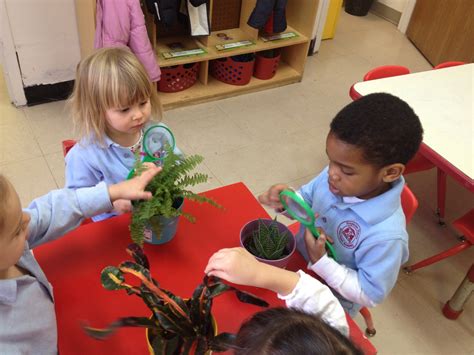
A garden is a living laboratory. Children learn about plant life cycles, insects (good and bad!), weather, and ecosystems. It fosters curiosity, observation skills, and a connection to the natural world.
Encouraging picky eaters to embrace real food from your garden is a journey, not a destination. It requires patience, creativity, and a willingness to get a little dirty. But the rewards – healthier eating habits, a deeper connection to nature, and cherished family memories – are truly priceless. So grab your trowels, pick out some seeds, and embark on a delicious adventure with your little ones!