
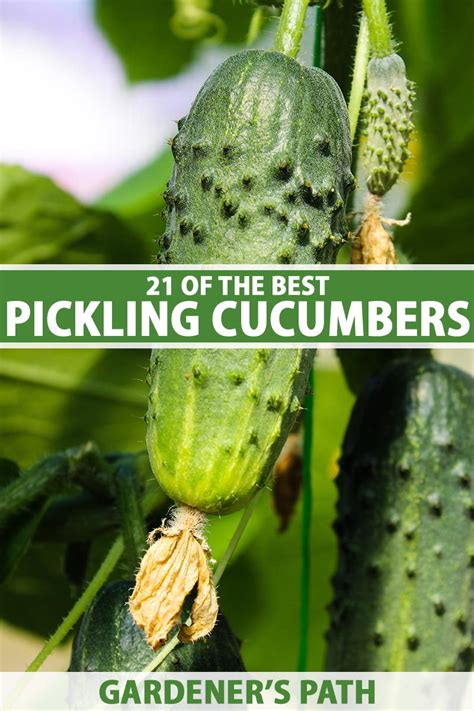
Tips for preserving abundant garden produce without canning?

A bountiful garden harvest is a dream come true for any country dweller, but it often presents a delightful challenge: how to preserve all that freshness for months to come? While canning is a time-honored tradition, it’s not the only way to safeguard your seasonal produce. Many gardeners seek alternatives that are less labor-intensive, require less specialized equipment, or simply offer different textures and flavors. Thankfully, there’s a wealth of creative, canning-free techniques to keep your pantry, freezer, and fridge stocked with homegrown goodness.
Why Explore Canning Alternatives?
For some, canning involves a significant time commitment, specific equipment, and a learning curve for safety protocols. Others might simply prefer the texture or taste of produce preserved through different means. Whether you’re short on time, lack a pressure canner, or just want to diversify your preservation methods, understanding the array of options beyond traditional canning can empower you to enjoy your harvest year-round without the fuss.
Freezing: The Go-To for Quick Preservation
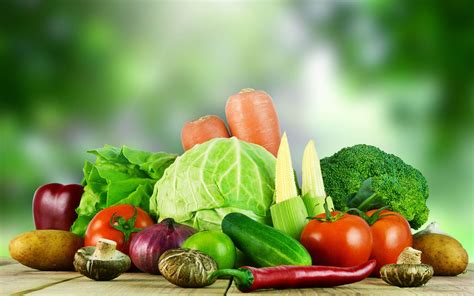
Freezing is arguably the easiest and most accessible method for preserving a wide variety of garden produce. Most vegetables benefit from blanching (briefly boiling, then chilling in ice water) before freezing to stop enzyme action and preserve color, texture, and nutrients. Fruits, on the other hand, can often be frozen raw, either whole, sliced, or pureed.
Techniques like flash freezing (spreading produce in a single layer on a baking sheet until solid, then transferring to freezer bags) prevent items from clumping together, making it easier to use just what you need. From corn and peas to berries and sliced peppers, your freezer can become a treasure trove of summer’s bounty. Always use freezer-safe bags or containers, and remove as much air as possible to prevent freezer burn.

Dehydrating for Long-Term, Space-Saving Storage
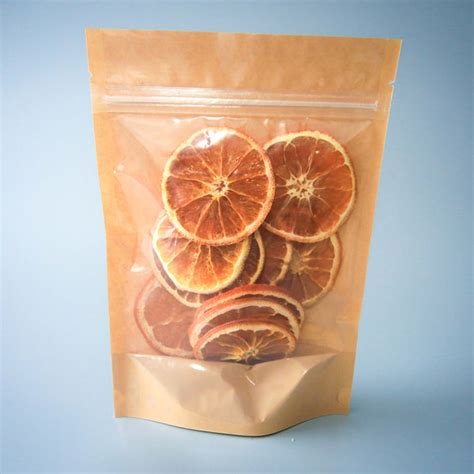
Dehydrating, or drying, removes moisture from food, inhibiting microbial growth and extending shelf life significantly. This method is excellent for herbs, fruit leathers, apple slices, sun-dried tomatoes, and even some vegetables like kale chips or mushrooms. You can use a dedicated food dehydrator, a low oven setting, or even direct sunlight in dry climates.
Drying concentrates flavors, offering a unique culinary experience. Properly dried produce should be brittle for most vegetables and leathery for fruits. Store dried goods in airtight containers in a cool, dark place, and they can last for many months, even years.
Fermentation: A Living Preservation
Fermentation is an ancient preservation method that uses beneficial bacteria to transform fresh produce into delicious, probiotic-rich foods like sauerkraut, kimchi, and lacto-fermented pickles. This process typically involves packing vegetables with salt (or a brine solution) and allowing them to ferment at room temperature for a period, after which they are stored in the refrigerator.
Beyond extending shelf life, fermented foods offer unique tangy flavors and numerous health benefits. It’s a fantastic way to preserve cabbages, cucumbers, carrots, and many other vegetables without any heat processing.
Cool Storage and Root Cellaring
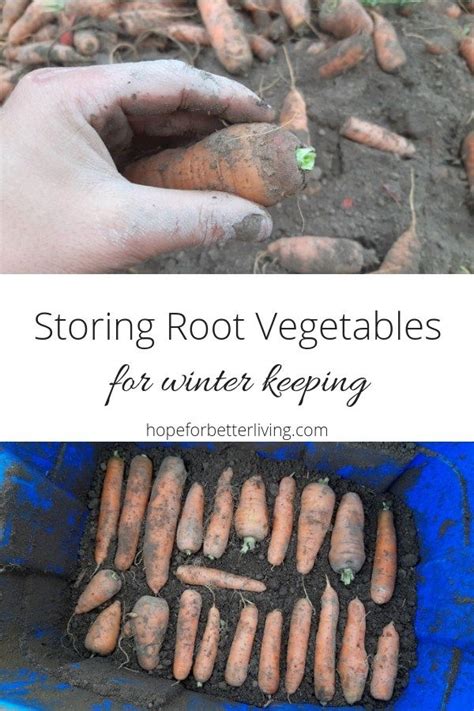
For certain hardy root vegetables, apples, and squashes, a cool, dark, and humid environment can be all you need. If you’re lucky enough to have a root cellar, a cool basement corner, or even an unheated garage, you can store items like potatoes, carrots, beets, onions, and winter squash for months. The key is to provide the right conditions for each type of produce, typically cool temperatures (just above freezing) and appropriate humidity levels.
Other Creative Methods for Your Harvest
- Refrigerator Jams & Jellies: Make small batches of jam or jelly that you store directly in the refrigerator for immediate consumption, bypassing the need for a hot water bath. They’ll last several weeks.
- Infused Oils & Vinegars: Create herb-infused oils or vinegars. While these typically have a shorter shelf life and need to be refrigerated, they’re wonderful for dressings and cooking.
- Pestos & Sauces: Make large batches of pesto from basil or other greens, or tomato sauces, and freeze them in ice cube trays or containers.
- Oil-packed Herbs: Fresh herbs can be chopped and packed into ice cube trays with olive oil, then frozen for easy use in cooking.
Tips for Successful Non-Canning Preservation
No matter which method you choose, a few general tips will ensure your efforts are rewarded:
- Start with Quality Produce: Use fresh, unblemished produce for the best results.
- Clean Thoroughly: Wash all produce meticulously before preparation.
- Label Everything: Always label containers with the date and contents.
- Use Appropriate Containers: Ensure containers are suitable for the chosen method (freezer-safe, airtight for dried goods, etc.).
- Portion Smartly: Divide preserved food into meal-sized portions for convenience.

Embrace the Harvest
Preserving your garden’s bounty without canning opens up a world of possibilities, allowing you to enjoy the fruits (and vegetables!) of your labor long after the growing season has ended. Experiment with different techniques to find what works best for your lifestyle and your harvest, and savor the satisfaction of a well-stocked pantry filled with homegrown goodness.