Tips for preserving garden bounty using traditional homemade recipes?

Embracing the Harvest: Why Traditional Preservation Matters
There’s immense satisfaction in nurturing a garden and watching it yield a bountiful harvest. However, when the season peaks, the challenge often becomes how to enjoy and utilize all that goodness before it spoils. This is where traditional homemade preservation methods shine, connecting us to a heritage of self-sufficiency and ensuring our pantry is stocked with wholesome, flavorful ingredients long after the growing season ends. Beyond just extending shelf life, these time-tested techniques often enhance flavors and add unique nutritional benefits that industrial processing can’t replicate.
Canning: Jams, Jellies, and Pickles
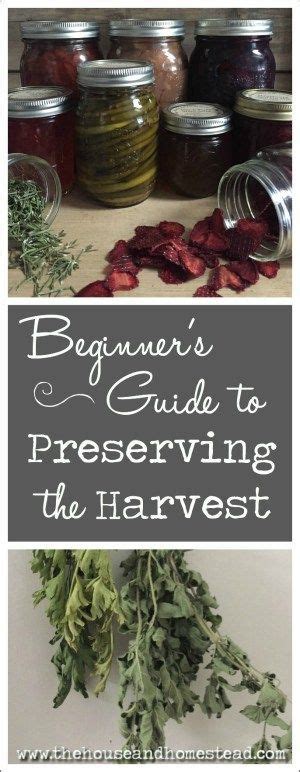
Canning is perhaps one of the most beloved traditional methods, allowing us to seal in the freshness of fruits and vegetables in airtight jars. Water bath canning is ideal for high-acid foods like fruits (for jams, jellies, and pie fillings), tomatoes, and pickles. Pressure canning is essential for low-acid vegetables such as green beans, corn, and carrots, ensuring they are safe from spoilage. Imagine the joy of opening a jar of homemade strawberry jam in the dead of winter or serving crisp dill pickles with your summer barbecue – it’s a taste of sunshine bottled for later.
Fermentation: Cultivating Flavor and Health
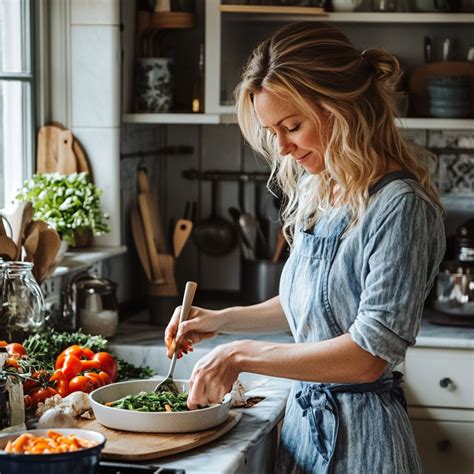
Fermentation is an ancient art that transforms simple ingredients into complex, probiotic-rich foods. Think sauerkraut, kimchi, and traditional lacto-fermented pickles. This method not only preserves food but also enhances its nutritional value by creating beneficial bacteria that support gut health. The process is surprisingly simple, often requiring just vegetables, salt, and water, with a little patience. The unique tangy flavors developed through fermentation add a gourmet touch to any meal.
Drying and Dehydration: Harnessing the Sun and Air
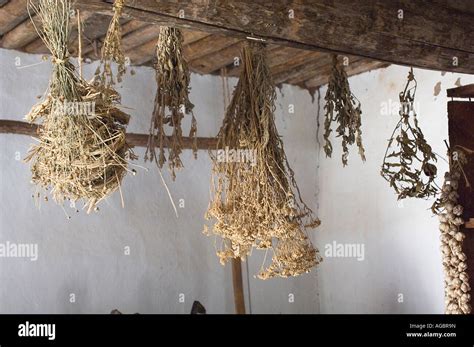
Drying is one of the oldest preservation techniques, effectively removing moisture to prevent spoilage. This method concentrates flavors and nutrients, making dried fruits, vegetables, and herbs intensely aromatic and delicious. Herbs like oregano, thyme, and basil can be hung to dry, while fruit slices (apples, apricots) and vegetable pieces (sun-dried tomatoes, peppers) can be dried in a dehydrator or even in a low oven. Dried foods are lightweight, shelf-stable, and perfect for snacking, cooking, or making teas.
Freezing: Locking in Freshness for Later
While often seen as a modern method, freezing has become a go-to traditional technique for many home preservers. It’s incredibly versatile for nearly all garden produce. For most vegetables, a quick blanching before freezing helps retain color, texture, and nutrients. Berries can be frozen individually on trays before bagging, preventing them from clumping. Freezing allows you to enjoy the garden’s peak flavors months down the line with minimal effort and great results, perfect for smoothies, stews, and side dishes.
Root Cellaring and Cool Storage: Simple and Effective
For certain hearty crops, sometimes the simplest method is the best. A traditional root cellar, or even just a cool, dark, and humid spot in your home like a basement or garage, can be ideal for storing root vegetables (potatoes, carrots, beets), winter squash, and apples. Proper air circulation and maintaining consistent temperature and humidity are key to preventing spoilage and keeping these items fresh for months without any electricity or extensive processing.

Tips for Success and Enjoying Your Preserves
No matter which method you choose, a few general rules apply: always start with the freshest, highest-quality produce; maintain impeccable cleanliness to prevent contamination; use appropriate equipment; and always label your jars or packages with contents and dates. Preserving your garden bounty using these traditional homemade recipes is more than just a chore; it’s a rewarding journey that connects you to your food, fosters creativity in the kitchen, and provides delicious, healthy sustenance throughout the year. Don’t be afraid to experiment, adapt recipes to your taste, and share your homemade treasures with friends and family.