Tips for preserving summer garden bounty using simple homemade real food recipes?

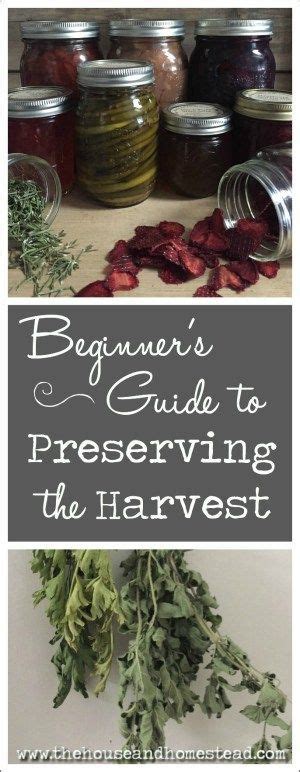
As summer blossoms, so does our garden, often overflowing with a vibrant bounty of fresh fruits and vegetables. While there’s immense joy in harvesting, the challenge often lies in making the most of this abundance before it spoils. The good news is that preserving your summer garden’s yield doesn’t require complex techniques or special equipment beyond what many home kitchens already possess. This guide will explore simple, homemade real food recipes and methods to ensure you can savor the taste of summer long into the colder months.
Why Preserve Your Summer Harvest?
Preserving your garden’s produce offers a multitude of benefits, extending far beyond just preventing waste.
First, the taste and nutritional value of homemade, garden-fresh preserved foods are often superior to store-bought alternatives. You control the ingredients, avoiding artificial preservatives, excessive sugars, or unhealthy additives. This means healthier meals for your family.
Secondly, preserving can lead to significant cost savings. By utilizing your own harvest, you reduce reliance on grocery store produce, especially during off-seasons when prices are higher. It’s a sustainable practice that minimizes food waste and maximizes your gardening efforts.
Essential Preservation Methods for Real Food
There are several tried-and-true methods for preserving food, each suited to different types of produce and culinary goals.

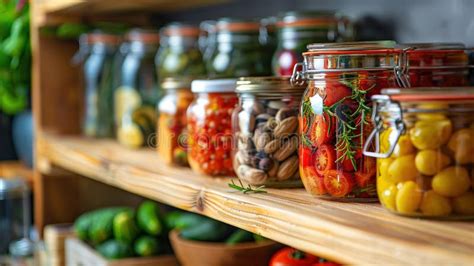
- Canning: Ideal for high-acid foods like tomatoes, fruits, and pickles, canning involves sealing food in jars and heat-processing to create a vacuum seal, preventing spoilage. Jams, jellies, salsas, and pickled vegetables are popular choices.
- Freezing: Perhaps the simplest method, freezing is excellent for most vegetables (often blanched first), fruits, herbs, and even cooked dishes. It retains much of the flavor and nutritional content, and requires minimal equipment.
- Dehydrating: Removing moisture from food extends its shelf life significantly. This method is perfect for herbs, fruit leathers, dried tomatoes, and jerky. It concentrates flavors and reduces storage space.
- Fermenting: A traditional method that uses beneficial bacteria to transform vegetables into tangy, probiotic-rich foods like sauerkraut, kimchi, and lacto-fermented pickles. Fermentation enhances flavor and offers impressive health benefits.
Simple Real Food Recipes to Get Started
Let’s dive into some practical recipes to begin your preservation journey.
Freezing Berries & Herbs:
For berries, simply wash, dry thoroughly, and spread in a single layer on a baking sheet to freeze. Once solid, transfer to freezer bags. For herbs, chop them finely and freeze in ice cube trays with a little olive oil or water, then transfer the cubes to bags. These are perfect for smoothies, sauces, and winter cooking.
Homemade Tomato Sauce:
Transform ripe tomatoes into a rich, versatile sauce. Core and quarter tomatoes, cook down with onions, garlic, and herbs. Pass through a food mill for a smooth consistency, then season. This sauce can be canned using a water bath canner or frozen in airtight containers or bags.
Quick Refrigerator Pickles:
No special canning equipment needed for these! Slice cucumbers, zucchini, or green beans and pack into clean jars. Boil a simple brine of vinegar, water, salt, sugar, and pickling spices. Pour hot brine over vegetables, seal, and refrigerate once cooled. They’ll be ready in a few days and last several weeks in the fridge.
Tips for Successful Preservation
To ensure your efforts yield delicious, safe, and long-lasting results, keep these tips in mind:

- Start with Fresh, High-Quality Produce: The better the raw ingredients, the better the preserved product will be. Harvest at peak ripeness.
- Follow Recipes and Instructions Carefully: Especially for canning, precision is key for food safety. Use tested recipes from reliable sources.
- Proper Equipment: Ensure your canning jars are sterilized, freezer bags are airtight, and dehydrators are functioning correctly.
- Label and Date Everything: It’s easy to forget what’s in a jar or bag, or when it was processed. Clear labels prevent waste and ensure you consume items within their optimal timeframe.
- Store Correctly: Keep preserved foods in a cool, dark place (canned goods) or a consistently cold freezer.
Conclusion
Preserving your summer garden bounty with simple homemade real food recipes is a rewarding endeavor. It connects you more deeply with your food, reduces waste, saves money, and most importantly, allows you to enjoy the vibrant flavors and nutritional benefits of your harvest all year long. Embrace the satisfaction of a well-stocked pantry and the joy of sharing homemade goodness.