


Tips for preserving summer herbs for year-round country cooking?

Embrace Year-Round Garden Freshness
There’s nothing quite like the vibrant aroma and flavor of fresh herbs harvested from your summer garden. For those who cherish the hearty, comforting essence of country cooking, extending that freshness through the colder months is a true joy. Fortunately, preserving your bountiful summer herb harvest is simpler than you might think, allowing you to infuse your dishes with garden goodness long after the last frost.
Whether you’re a seasoned gardener or just starting out, mastering a few key preservation methods will transform your pantry into a treasure trove of culinary delights. Let’s explore the most effective ways to keep your favorite herbs ready for any recipe, any time of year.
The Art of Drying Herbs
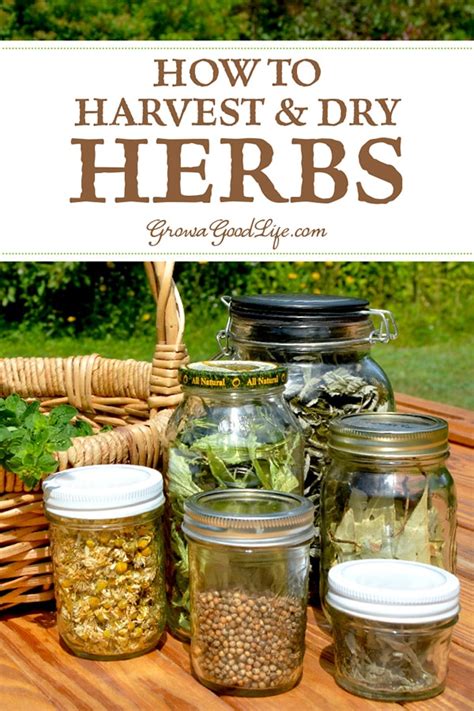
Drying is perhaps the most traditional and simplest method for preserving herbs, perfect for those robust varieties that stand up well to heat. Herbs like rosemary, thyme, oregano, marjoram, sage, and bay leaves are excellent candidates for drying. You can air dry them by tying small bunches and hanging them upside down in a warm, dry, and well-ventilated area away from direct sunlight. Alternatively, a food dehydrator or even a low oven setting (around 100°F/40°C with the door ajar) can speed up the process.
Once brittle to the touch, strip the leaves from the stems and store them whole or lightly crushed in airtight containers in a cool, dark place. This method concentrates their flavor, making them potent additions to stews, roasted meats, and hearty vegetable dishes throughout the year.
Freezing for Freshness: Capture Vibrant Flavors
For more delicate herbs like basil, parsley, cilantro, chives, and mint, freezing is an excellent way to retain their vibrant color and fresh flavor. There are a few popular techniques. One method is to chop the herbs finely, pack them into ice cube trays, and cover with a little water or olive oil. Once frozen solid, pop out the cubes and store them in freezer bags. These herb cubes are perfect for tossing directly into soups, sauces, and stir-fries.
Another option for basil is to make pesto. Process fresh basil leaves with garlic, pine nuts, Parmesan cheese, and olive oil, then freeze in small containers or ice cube trays. This provides an instant flavor boost for pasta, sandwiches, and more, offering a taste of summer even in the depths of winter.
Infusions and Salts: Creative Preservation
Beyond drying and freezing, other creative methods can add layers of flavor to your country cooking. Herb-infused vinegars and oils are fantastic for salad dressings, marinades, and sautéing. Simply pack clean, dry herb sprigs (such as rosemary, thyme, or oregano) into sterilized bottles and cover with good quality vinegar (like apple cider or white wine vinegar) or olive oil. Let them steep in a cool, dark place for 2-4 weeks, then strain and rebottle.
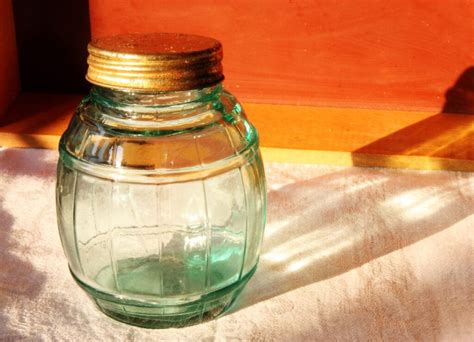
Herb salts are another delightful way to preserve flavor. Mix finely chopped herbs (like rosemary, sage, or savory) with coarse sea salt and allow it to dry completely before storing in airtight jars. This makes a wonderful seasoning blend for roasted vegetables, meats, or even as a finishing salt.

Harvesting and Storage Tips for Success
The success of your preservation efforts often starts with the harvest. Pick your herbs in the morning after the dew has dried but before the sun gets too hot, as this is when their essential oils are most concentrated. Ensure herbs are clean and thoroughly dry before processing, as any moisture can lead to mold. When storing, always use airtight containers and label them clearly with the herb name and date of preservation.
Remember that dried herbs are more potent than fresh, so adjust quantities accordingly in your recipes. A general rule of thumb is to use one-third the amount of dried herbs compared to fresh. Frozen herbs, especially those in oil or water cubes, can often be used in similar quantities to fresh, particularly in cooked dishes.

Incorporating Preserved Herbs into Country Cooking
With your pantry stocked, the possibilities for year-round country cooking are endless. Dried rosemary and thyme are perfect for seasoning roasted chicken or potatoes. Frozen parsley or chives can be stirred into a creamy potato soup or an omelet for a burst of freshness. Basil pesto cubes elevate a simple pasta dish or can be spread on crusty bread.
Infused vinegars add a tangy herbal note to homemade salad dressings, while herb salts can be sprinkled over grilled meats or used to season a hearty stew. Preserving your summer herbs not only saves money but also ensures that your kitchen is always ready to create comforting, flavor-packed meals, bringing a piece of your garden to your table even in the chilliest months.

Enjoying Your Garden All Year Long
Preserving summer herbs is a rewarding endeavor that connects you more deeply with the rhythm of the seasons and the bounty of your garden. By taking a little time at the peak of summer, you can ensure that the vibrant flavors and aromatic essence of your favorite herbs are always at your fingertips, ready to enrich your country cooking with warmth and freshness, no matter the season. So gather your herbs, choose your method, and get ready to savor the taste of summer throughout the entire year.