Tips for preserving summer tomatoes for homemade sauce?

There’s nothing quite like the burst of flavor from a perfectly ripe summer tomato. As gardens overflow and farmers’ markets teem with their vibrant bounty, the thought inevitably turns to how to capture that seasonal goodness to enjoy all year round. Preserving summer tomatoes for homemade sauce isn’t just a culinary task; it’s an act of savoring the season, ensuring that the taste of sunshine can warm your kitchen even on the chilliest days.
Making your own tomato sauce from scratch offers unparalleled control over ingredients, flavor, and texture. But before you dive into simmering, the first crucial step is to properly preserve those beautiful summer gems. Let’s explore the best ways to lock in that peak flavor.
Essential Preparation Steps
Regardless of your chosen preservation method, a few initial steps are universal to ensure quality and safety.
- Selection: Choose firm, ripe tomatoes free of blemishes or soft spots. Roma, San Marzano, and other paste tomatoes are ideal for sauce due to their meaty flesh and lower water content, but any flavorful variety will work.
- Washing & Coring: Gently wash tomatoes under cool running water. Remove the core using a small paring knife.
- Blanching & Peeling (Optional but Recommended): For smoother sauces, most recipes recommend peeling tomatoes. To do this, score a small “X” on the bottom of each tomato, then plunge them into boiling water for 30-60 seconds until the skin begins to curl. Immediately transfer them to an ice bath to stop cooking. The skins will then slip off easily.
- Seeding (Optional): Some prefer to remove seeds for an even smoother sauce and to reduce bitterness. Cut tomatoes in half and gently squeeze out seeds, or use a spoon.

Freezing Tomatoes for Future Sauce
Freezing is arguably the easiest and most straightforward method for preserving tomatoes, especially if you’re short on time or new to preserving. It requires minimal equipment and keeps the flavor incredibly fresh.
Whole or Halved Tomatoes
You can freeze tomatoes whole! After washing and coring (peeling is optional but makes it easier later), simply place them on a baking sheet in a single layer and freeze until solid. Once frozen, transfer them to freezer-safe bags or containers. When ready to use, run warm water over them, and the skins will slip right off. They’ll be soft once thawed, perfect for crushing into sauce.
Chopped or Crushed Tomatoes
For a head start on your sauce, you can chop or crush peeled and cored tomatoes before freezing. Pack them into freezer bags, leaving an inch of headspace, or freeze in ice cube trays for smaller portions. Label with the date.
Tomato Purée or Sauce
Cook down your tomatoes into a basic purée or an unfinished sauce, then cool completely before freezing. This saves significant cooking time later. Pour into freezer-safe containers or bags. Freezing can maintain quality for up to 12 months.

Canning Tomatoes for Pantry Staples
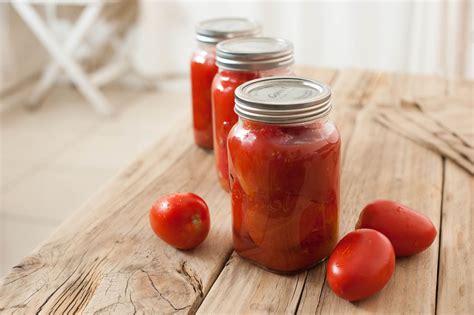
Canning provides shelf-stable jars of tomatoes, perfect for stocking your pantry. This method requires specific safety protocols, especially for low-acid foods like tomatoes. Always follow tested recipes from reliable sources (like the USDA, university extension offices, or reputable canning guides).
Water Bath Canning
Tomatoes are considered a borderline low-acid food, so adding acid (lemon juice or citric acid) is crucial for water bath canning safety. You can can whole peeled, diced, or crushed tomatoes. Process times vary depending on elevation and jar size. Ensure all jars are sterilized, and lids are new.
Steps for Basic Crushed Tomatoes:
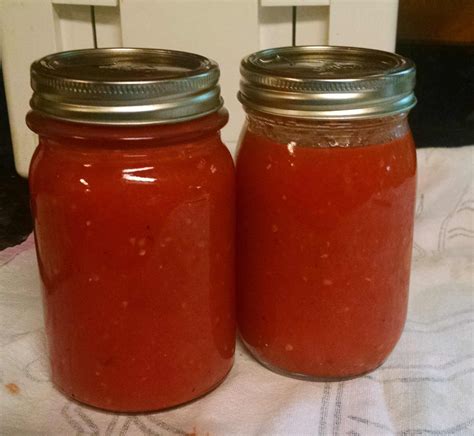
- Prepare tomatoes: wash, core, blanch, and peel. Crush them by hand or roughly chop.
- Add acid: For each quart jar, add 2 tablespoons bottled lemon juice or ½ teaspoon citric acid. For pint jars, use 1 tablespoon lemon juice or ¼ teaspoon citric acid.
- Pack jars: Heat tomatoes to a simmer. Ladle hot tomatoes into hot, sterilized jars, leaving ½ inch headspace. Remove air bubbles. Wipe rims clean.
- Process: Place lids and rings. Process in a boiling water canner for the recommended time (typically 35-45 minutes for quarts, adjust for elevation).
Roasting and Drying for Intense Flavor
For a deeply concentrated, sweet, and smoky flavor, roasting or slow-drying tomatoes is an excellent preservation technique. These can be used in sauces to add depth, or rehydrated and blended.
Oven-Roasted Tomatoes
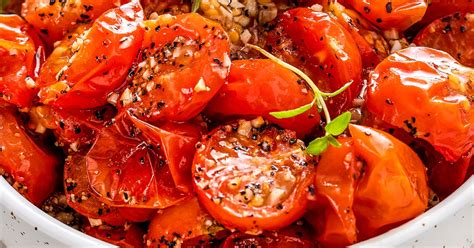
Halve or quarter tomatoes (cherry tomatoes can be left whole). Toss with a little olive oil, salt, and herbs like oregano or thyme. Roast at a low temperature (250-300°F / 120-150°C) for several hours until shriveled and slightly caramelized. They can then be frozen or packed in olive oil (if packed in oil, refrigerate and use within a few weeks, or freeze the oil-packed tomatoes for longer storage).
Sun-Dried or Dehydrated Tomatoes
Slice tomatoes thinly and place them in a dehydrator or a very low oven (around 130°F / 55°C) until completely dry and leathery. Store in airtight containers in a cool, dark place. They can be rehydrated in warm water or wine before using in sauces, or ground into a powder for seasoning.
Enjoying Your Labor of Love
Preserving summer tomatoes is a rewarding effort that brings the vibrant taste of peak season into your kitchen year-round. Whether you choose the simplicity of freezing, the pantry-stocking efficiency of canning, or the intense flavor of roasting, each method allows you to craft superior homemade sauces bursting with natural sweetness and aroma. So, embrace the bounty, roll up your sleeves, and get ready to enjoy the rich rewards of your summer harvest, one delicious meal at a time.