Tips for preserving your summer harvest for delicious homemade real food year-round?

Embrace the Bounty: Why Preserve Your Summer Harvest?
As the vibrant colors and flavors of summer burst forth from gardens and farmers’ markets, there’s a natural desire to capture that fresh deliciousness and make it last. Preserving your summer harvest isn’t just a hobby; it’s a rewarding way to ensure you have access to homemade, real food long after the last berry has been picked or the final tomato ripened. Imagine savoring a taste of summer sunshine in the dead of winter – it’s not only possible but easier than you might think!
Beyond the joy of enjoying seasonal produce year-round, preserving your harvest offers numerous benefits. It reduces food waste, saves money on groceries, and gives you complete control over the ingredients in your food, free from additives or preservatives often found in store-bought options. Plus, there’s immense satisfaction in looking at a pantry stocked with jars of your own making or a freezer full of vibrant vegetables.
Core Preservation Techniques
Freezing: The Quick & Easy Method
Freezing is arguably the simplest and most accessible method for preserving a wide range of fruits and vegetables. It requires minimal equipment beyond a freezer and some sturdy containers or freezer bags. Most vegetables benefit from blanching (briefly boiling, then plunging into ice water) before freezing to halt enzyme activity and retain color, flavor, and nutrients. Fruits, on the other hand, can often be frozen raw, sometimes spread on a baking sheet first to prevent clumping.
For best results, always use high-quality, fresh produce. Freeze in manageable portions that you’ll use in one go, and remove as much air as possible from bags or containers to prevent freezer burn. Proper labeling with the date and contents is crucial for organization and ensuring you use items within their optimal timeframe.

Canning: Shelf-Stable Goodness
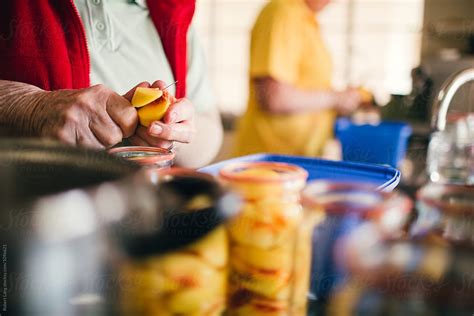
Canning allows you to store food at room temperature for extended periods, creating a truly self-sufficient pantry. There are two primary methods: water bath canning for high-acid foods (fruits, pickles, jams, jellies, some tomatoes with added acid) and pressure canning for low-acid foods (most vegetables, meats, poultry, and seafood). Understanding which method to use is critical for food safety, preventing the risk of botulism.
Sterilization of jars and lids, accurate processing times, and following tested recipes are paramount in canning. Investing in a good canning guide or taking a local workshop can provide invaluable knowledge and confidence to embark on this rewarding preservation journey. The satisfying ‘pop’ of a properly sealed lid is a sound many home preservers cherish.
Dehydration: Concentrating Flavors
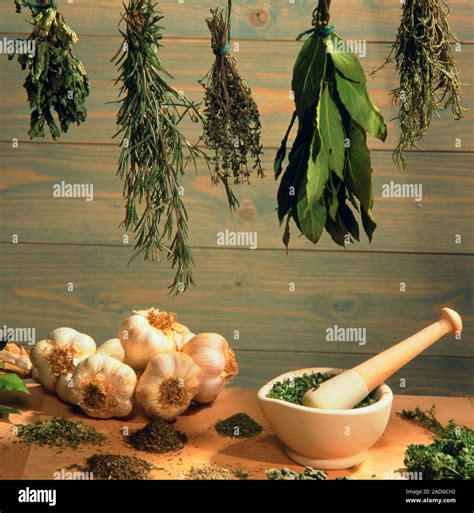
Dehydration involves removing moisture from food, inhibiting microbial growth and concentrating flavors. This method is excellent for herbs, fruit leathers, dried fruit slices, sun-dried tomatoes, and even making vegetable powders for seasoning. A food dehydrator is the most efficient tool, though a low oven setting or even natural sunlight (in dry climates) can also work.
Slice food thinly and uniformly for even drying. Once completely dry (brittle for vegetables, pliable but not sticky for fruits), store dehydrated foods in airtight containers in a cool, dark place. They take up minimal space and are perfect for snacking, adding to cereals, or rehydrating for use in cooking.
Beyond the Basics: Fermentation and Pickling
Fermentation is an ancient preservation method that uses beneficial bacteria to transform food, often enhancing flavor and nutrition. Think homemade sauerkraut, kimchi, or lacto-fermented pickles. This method involves submerging vegetables in a brine (salt and water) and allowing natural cultures to do their work. It’s a fantastic way to add probiotics to your diet.
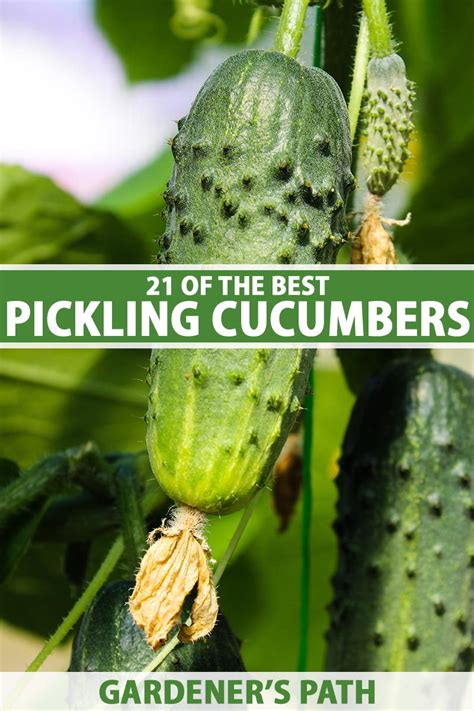
Pickling, distinct from fermentation, typically involves preserving food in an acidic solution, most commonly vinegar. Quick pickles can be made and stored in the refrigerator for a few weeks, while traditional canning methods can make shelf-stable vinegar pickles. Both fermentation and pickling offer a tangy, delicious way to enjoy your harvest with a unique flavor profile.
Essential Tips for Successful Preservation
Regardless of the method you choose, a few universal principles will ensure your success. Always start with the freshest, highest-quality produce available – preservation can’t improve poor ingredients. Maintain scrupulous cleanliness throughout the process: sanitize all equipment, wash your hands, and ensure your workspace is spotless. Following recipes from reliable sources (like university extensions or reputable canning books) is crucial, especially for canning, where safety is paramount.
Finally, proper labeling and storage are key to enjoying your preserved foods. Label everything with the contents and date of preservation. Store canned goods in a cool, dark, dry place; frozen foods in an organized freezer; and dehydrated items in airtight containers away from heat and light. This meticulousness will prevent spoilage and help you rotate your stock effectively.
Enjoying Your Year-Round Pantry
The satisfaction of opening a jar of homemade salsa or pulling a bag of perfectly frozen berries from the freezer in the middle of winter is unparalleled. Preserving your summer harvest connects you more deeply with your food, reduces waste, and provides a healthier, more flavorful diet. It’s an empowering skill that transforms seasonal abundance into year-round joy, ensuring delicious homemade real food is always within reach. So roll up your sleeves, embrace the harvest, and start building your delicious, nutrient-rich pantry today!