



Tips for reviving a sluggish sourdough starter for artisan country loaves?
Understanding Your Sourdough Starter’s Behavior
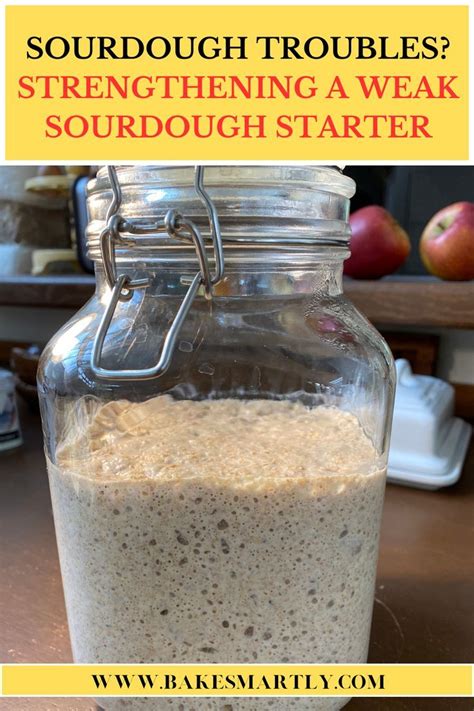
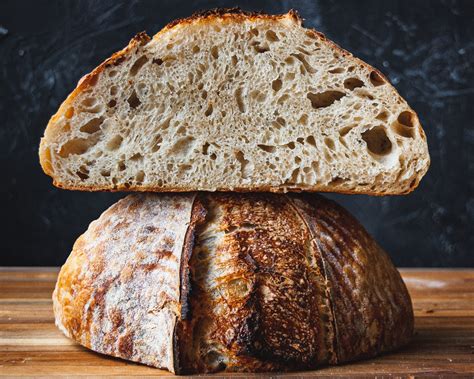
A sourdough starter is a living ecosystem of wild yeasts and bacteria, crucial for leavening and flavoring artisan country loaves. When it’s vibrant and active, it doubles predictably, smells pleasantly sour, and creates a beautifully open, airy crumb in your bread. However, even the most cherished starters can sometimes become sluggish, showing little activity, a weak rise, or an off-putting aroma. Don’t despair! Most sluggish starters can be revived with a little attention and understanding.
Common Culprits Behind a Slow Starter
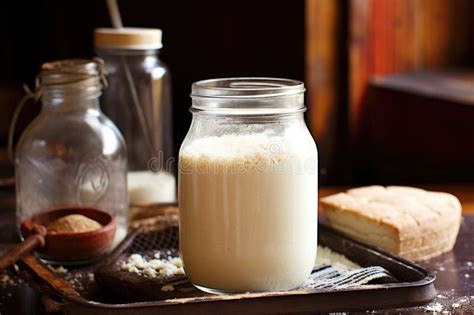
Several factors can contribute to a sourdough starter losing its vigor. The most common issues include infrequent or inconsistent feeding schedules, which starve the microbes. Using bleached or low-quality flour can also hinder growth, as the organisms thrive on unbleached, nutrient-rich grains. Suboptimal temperatures – either too cold or too hot – can slow down or even kill off yeast and bacteria. Additionally, over-hydration (too much water) or under-hydration (too little water) can affect its activity, as can a lack of proper aeration.
Key Revival Strategies for a Robust Starter
1. Implement Consistent, Smaller Feedings
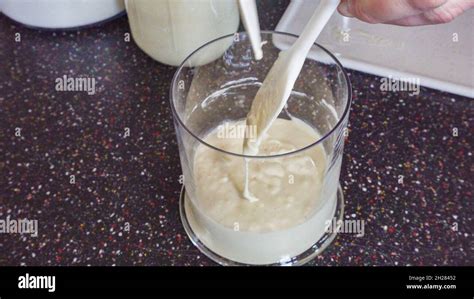
Instead of large, infrequent feeds, try feeding your starter more frequently with a smaller ratio. A common revival strategy is a 1:1:1 ratio (starter:flour:water) every 8-12 hours for a few days, especially if kept at room temperature. For very weak starters, you might even try a 1:2:2 or 1:3:3 ratio, giving the microbes a richer meal. Discard all but a small amount (e.g., 20-30g) to ensure the new food isn’t overwhelmed by spent microbes.
2. Optimize Temperature for Activity
Temperature is perhaps the most critical factor. Sourdough microbes are happiest and most active between 75-80°F (24-27°C). If your kitchen is cooler, find a warmer spot: on top of the fridge, in an oven with just the light on (oven door slightly ajar to prevent overheating), or a proofing box. A consistent warm environment will significantly boost activity. Avoid extreme heat, which can kill the yeast.
3. The Right Flour Matters
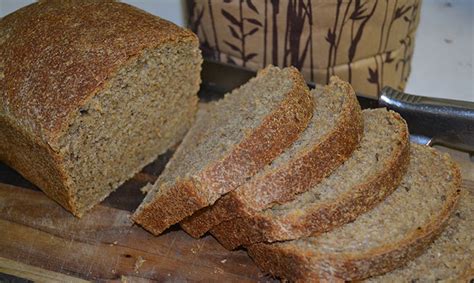
Switch to high-quality, unbleached flour. Strong bread flour with a higher protein content (like King Arthur Bread Flour) is excellent. Incorporating a small amount of rye flour (even 10-20% of your total flour) can work wonders. Rye flour is rich in nutrients and enzymes that sourdough microbes adore, often providing a noticeable boost in activity. Avoid bleached all-purpose flour during revival.
4. Adjust Hydration Levels
While many maintain a 100% hydration starter, a slightly stiffer starter (e.g., 80-90% hydration, meaning slightly less water than flour by weight) can sometimes appear more active and robust, as the CO2 bubbles are more easily trapped. Conversely, if your starter is very stiff, increasing hydration slightly might help. Experiment to see what works best for your starter and environment.
Testing Readiness and Prepping for Artisan Loaves
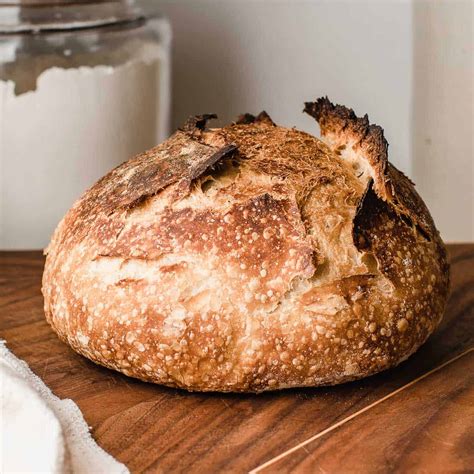
Once your starter consistently doubles or triples in volume within 4-6 hours after feeding, smells pleasantly yeasty and sour, and passes the float test (a small spoonful floats in water), it’s ready to bake with. For artisan country loaves, a strong, active starter is paramount for a good rise and open crumb. Before baking, perform 2-3 consecutive peak-to-peak feedings to ensure maximum vitality. This means waiting for it to peak after a feeding, then feeding it again at its peak, repeating a couple of times. This builds strength and ensures your starter is at its most powerful.
Patience and Observation are Key
Reviving a sluggish starter isn’t always an overnight process. It might take several days of consistent care. Pay close attention to its aroma, texture, and rise patterns. Each starter has its unique rhythm, and understanding yours will make you a more confident baker. With these tips, you’ll soon have a robust, bubbly starter ready to create those beautiful, tangy artisan country loaves you dream of.