Tips for rich compost to boost organic garden fertility?

Unlock the Power of Black Gold for Your Organic Garden
Creating your own nutrient-rich compost is one of the most effective and sustainable ways to supercharge the fertility of your organic garden. Often referred to as ‘black gold,’ compost improves soil structure, enhances water retention, suppresses plant diseases, and provides a slow-release source of essential nutrients. Moving beyond chemical fertilizers, embrace the natural cycle of decomposition to foster a thriving, resilient ecosystem right in your backyard.
The Golden Ratio: Balancing Greens and Browns
The secret to successful composting lies in maintaining the correct balance between ‘greens’ (nitrogen-rich materials) and ‘browns’ (carbon-rich materials). Greens include fresh plant clippings, fruit and vegetable scraps, coffee grounds, and manures. Browns consist of dry leaves, shredded paper, straw, wood chips, and small twigs. Aim for a ratio of roughly two parts brown to one part green by volume for optimal decomposition.
This balance provides the ideal diet for the microorganisms that break down your organic waste, ensuring efficient decomposition without foul odors. Too many greens can lead to a slimy, smelly pile, while too many browns will slow down the composting process considerably.

Moisture and Aeration: Essential for Active Composting
Just like any living ecosystem, your compost pile needs both moisture and air to thrive. The ideal moisture level is similar to a wrung-out sponge – damp, but not soaking wet. If your pile is too dry, decomposition will slow down; too wet, and it can become anaerobic and stinky. Regularly check the moisture and add water if needed, especially during dry spells or after adding a lot of dry brown materials.
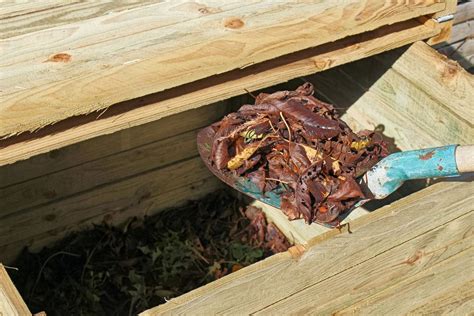
Aeration is equally crucial. Microorganisms need oxygen to do their work effectively. Turning your compost pile periodically (every few days to once a week) introduces air, mixes materials, and helps maintain even decomposition. If turning isn’t feasible, consider using a compost aerator tool or building a bin that allows for good airflow.
What to Include and What to Avoid
Compost-Friendly Materials
- Fruit and vegetable scraps (non-citrus preferred in large quantities)
- Coffee grounds and tea bags
- Eggshells
- Yard waste (grass clippings, leaves, small twigs)
- Shredded newspaper and cardboard
- Straw and hay
Keep These Out
- Meat, bones, and dairy products (attract pests, create odors)
- Greasy or oily foods
- Diseased plants (can spread pathogens)
- Weeds with seeds (can sprout in your garden)
- Pet waste (contains harmful bacteria)
- Treated wood or coal ash (may contain toxins)
Signs of Rich, Finished Compost
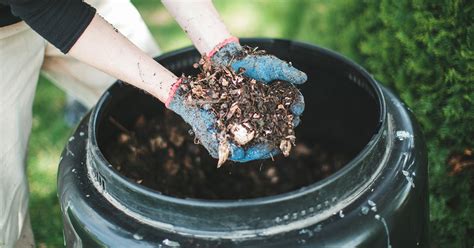
Your compost is ready when it has transformed into a dark brown, crumbly material with an earthy smell. You should no longer be able to identify the original ingredients, and the temperature inside the pile should have returned to ambient levels. This ‘black gold’ is teeming with beneficial microbes and nutrients, making it the perfect amendment for your organic garden.
Applying Your Black Gold for Maximum Fertility
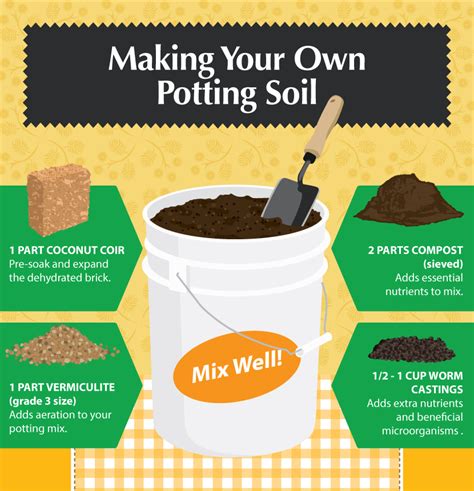
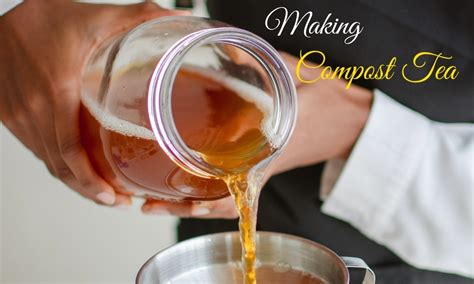
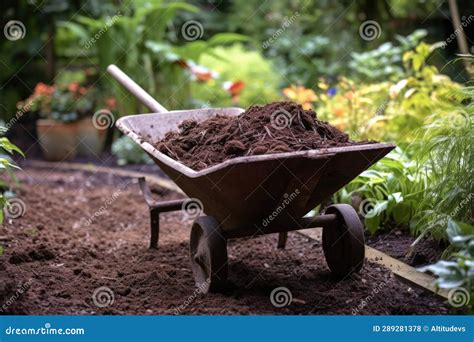
Once your compost is ready, the ways to use it are endless. You can incorporate it directly into garden beds before planting, top-dress existing plants, or use it to enrich potting mixes for containers. Spread a layer of compost around the base of trees and shrubs, or even use it to brew nutrient-rich compost tea for a liquid fertilizer boost. Regular application of compost will steadily build your soil’s health, leading to more robust plants, better yields, and a more vibrant garden ecosystem.
Embracing composting is a journey towards more sustainable and productive gardening. By following these tips, you’ll be well on your way to creating a continuous supply of rich, organic matter that will transform your garden into a flourishing paradise, naturally.