
Tips for scaling a farm-fresh family recipe from large to small batches?
Why Downsize Your Farm-Fresh Family Recipes?
Many cherished family recipes, especially those passed down through generations, were originally designed to feed a large crowd. From bountiful harvest dinners to community potlucks, these recipes often call for generous quantities of fresh, seasonal ingredients. However, in today’s smaller households or when simply wanting to try a new dish without committing to a massive batch, scaling down becomes essential. The good news is that with a few smart strategies, you can easily adapt your favorite farm-fresh recipes to smaller portions without sacrificing their authentic flavor or quality.

Mastering Ingredient Ratios and Measurements
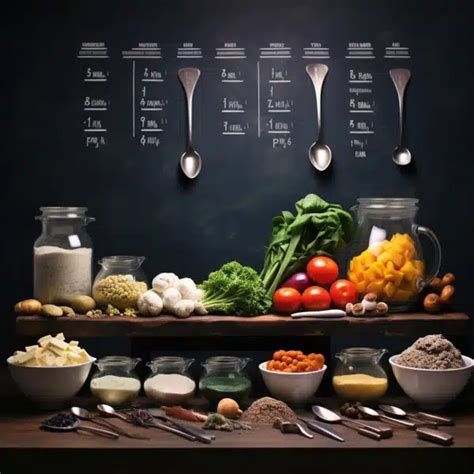
The most critical aspect of scaling a recipe is accurately adjusting ingredient quantities. It’s not always as simple as dividing by two or four. Some ingredients, especially potent ones like spices, herbs, or leavening agents, need careful consideration.
- Start with Simple Division: For most ingredients (vegetables, meats, liquids, grains), a direct fractional reduction (e.g., dividing by 2, 3, or 4) works well. If a recipe calls for 4 cups of chopped tomatoes and you want half, use 2 cups.
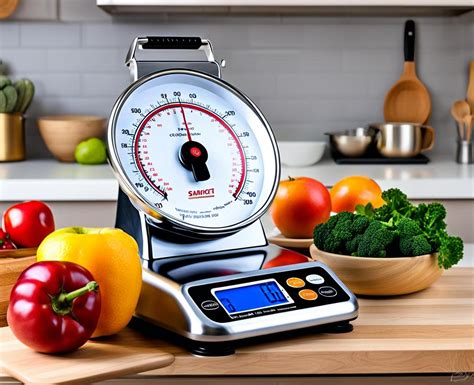
- Precision is Key: When scaling down, measuring by weight (grams or ounces) is often more accurate than volume (cups or tablespoons), especially for dry ingredients like flour, sugar, or spices. A half-cup of flour can vary, but 60 grams is always 60 grams.
- Handle Potent Ingredients Carefully: For spices, herbs, garlic, ginger, or chili, start with slightly less than the calculated fraction and adjust to taste. Too much can quickly overpower a smaller dish. For leavening agents like baking soda or powder, exact scaling is usually necessary to maintain proper texture, but sometimes a slight reduction in very small batches (e.g., going from 1/4 tsp to a “pinch” if a recipe calls for 1/2 tsp) can be done with experience.
Adjusting Cooking Times and Temperatures
Scaling down ingredients doesn’t always mean a proportional reduction in cooking time, and rarely means adjusting temperature. The surface area of the food, the depth in the pan, and the heat retention of your cookware all play a role.
- Keep Temperature Consistent: Most oven temperatures for baking or roasting should remain the same. The temperature is about the desired cooking environment, not the quantity of food.
- Reduce Cooking Time, but Monitor Closely: A smaller amount of food will generally cook faster. Start checking for doneness much earlier than the original recipe suggests. For example, if a roast usually takes 2 hours for a large portion, a quarter-sized portion might take 45-60 minutes.
- Pan Size Matters: Ensure you’re using an appropriately sized pan for your smaller batch. Overfilling a small pan or using a pan that’s too large can affect cooking evenness and evaporation rates.
Taste, Test, and Tweak
Scaling a recipe is an art as much as a science. The most crucial step is to taste your creation frequently throughout the cooking process.
- Season Gradually: Add salt, pepper, and other seasonings incrementally. It’s easier to add more than to fix an over-seasoned dish.
- Observe Changes: Pay attention to the texture, consistency, and aroma. A smaller batch might reduce faster or have a different moisture level.
- Make Notes: Keep a record of your adjustments. If 1/4 teaspoon of garlic powder was too much for a quarter-batch of chili, note it for next time. This iterative process helps perfect your scaled-down version.

Common Pitfalls and How to Avoid Them
While scaling is generally straightforward, some ingredients or techniques present unique challenges:
- Eggs: Dividing a single egg (e.g., needing half an egg) can be tricky. You can whisk an egg and then measure out half, or simply make a judgment call if a slightly higher or lower egg ratio won’t drastically alter the outcome (e.g., in a large stew vs. delicate cake).
- Leavening Agents: As mentioned, these are critical for baked goods. If you need a very small fraction (e.g., 1/8 tsp), consider using “a pinch” for non-critical recipes or investing in very tiny measuring spoons.
- Emulsifications: Sauces that require emulsification (like mayonnaise or hollandaise) can be harder to scale down due to the minimum quantity needed to get them to come together. You might need to make a slightly larger batch and save leftovers.
Embrace the Flexibility of Your Farm-Fresh Favorites
Scaling down your cherished farm-fresh family recipes opens up a world of culinary flexibility. It allows you to enjoy these delicious traditions more often, experiment with new ingredients, and avoid food waste. With careful attention to ratios, precise measurements, and diligent taste testing, you’ll soon master the art of transforming a feast for many into a perfect meal for a few, all while preserving the heartwarming essence of your family’s heritage.