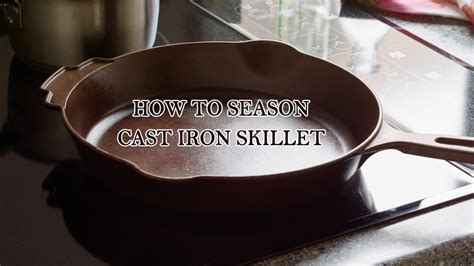
Tips for seasoning a new cast iron skillet for perfect country cooking?

A new cast iron skillet is more than just a piece of cookware; it’s a legacy in the making, especially when it comes to authentic country cooking. The secret to its enduring performance and the rich flavors it imparts lies in proper seasoning. Seasoning creates a natural, non-stick surface that improves with every use, protecting your skillet from rust and making it a joy to cook with.

Why Seasoning is Your Secret Weapon for Country Cooking
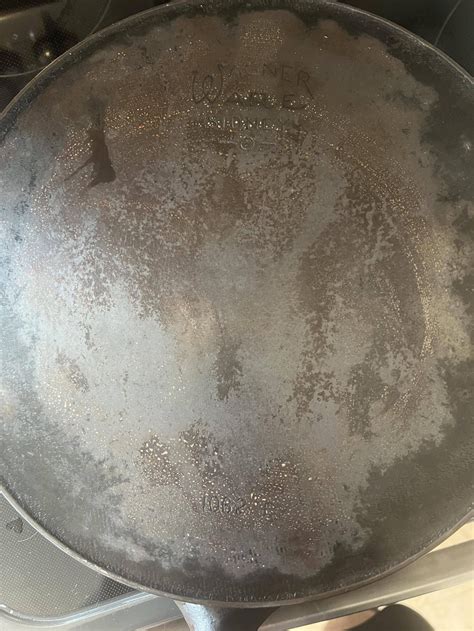
For generations, cast iron has been the cornerstone of country kitchens, prized for its ability to retain and distribute heat evenly. But its true magic, particularly for dishes like cornbread, fried chicken, or biscuits, comes from a well-established seasoning layer. This layer is a thin coat of polymerized oil, baked onto the surface, which fills microscopic pores, creates a smooth cooking surface, and prevents food from sticking. It also provides a protective barrier against rust, ensuring your skillet lasts for decades.
Step-by-Step: Seasoning Your New Skillet
While many new cast iron skillets come pre-seasoned, an extra round of seasoning at home can greatly enhance their initial performance and build a stronger foundation. Here’s how to do it right:
1. Initial Wash and Dry Thoroughly
Even if pre-seasoned, it’s good practice to give your new skillet a quick wash to remove any manufacturing residues. Use warm water and a small amount of mild dish soap (yes, for a new skillet, it’s okay!). Scrub with a sponge, rinse completely, and then immediately dry it thoroughly with a towel. Place it on a stovetop over low heat for a few minutes to ensure every last drop of moisture has evaporated. This step is crucial to prevent rust from forming before you even start.
2. Choose Your Fat Wisely
The type of oil you use for seasoning matters. Opt for oils with a high smoke point and good polymerization properties. Popular choices include:
- Vegetable Oil: Affordable and widely available.
- Grapeseed Oil: High smoke point and very neutral.
- Flaxseed Oil: Considered by some to create a very durable seasoning, but can be more prone to flaking if not applied incredibly thin.
- Lard or Shortening: Traditional choices that work wonderfully, imparting a classic patina.
Avoid olive oil or butter for initial seasoning as their low smoke points can lead to sticky residue rather than a hard, protective layer.
3. Apply a Thin, Even Layer
This is perhaps the most critical step. Apply about a teaspoon of your chosen oil to the entire skillet – inside, outside, handle, and even the bottom. Use a paper towel to rub the oil into every surface, ensuring complete coverage. Then, using a clean, dry paper towel, vigorously wipe away as much oil as you possibly can. The goal is to leave an invisible layer of oil. If you think you’ve wiped enough, wipe it again! Too much oil will result in a sticky, gummy finish rather than a hard, seasoned surface.
4. The Oven Bake
Preheat your oven to a temperature between 450-500°F (232-260°C). Place your skillet upside down on the middle rack. This allows any excess oil to drip off, preventing puddles. Place a sheet of aluminum foil on the rack below to catch any drips. Bake for one hour. During this time, the oil will polymerize, transforming into a hard, non-stick coating.
5. Cool and Repeat
After one hour, turn off the oven and let the skillet cool completely inside the oven. This slow cooling helps the seasoning to set properly. Once cool, repeat the oiling and baking process at least 2-3 more times for a robust initial seasoning. More layers mean a better, more durable, and naturally non-stick surface, which is ideal for all your country cooking needs.

Maintaining Your Skillet’s Perfect Seasoning
A well-seasoned skillet is a living thing; it thrives on use and proper care. After cooking, clean your skillet immediately with hot water and a stiff brush or non-abrasive scrubber. Avoid harsh soaps (though mild soap is fine if needed) and never put it in the dishwasher. Dry thoroughly on the stovetop over low heat, and then apply another very thin layer of oil before storing. With consistent use and care, your cast iron skillet will become an indispensable tool, ready for generations of perfect country cooking.
Embrace the process, and soon you’ll have a beautifully seasoned cast iron skillet that will be the heart of your kitchen, serving up delicious country meals with ease and tradition.