




Tips for seasoning and maintaining cast iron pans naturally?

Embracing the Timeless Art of Cast Iron Care
Cast iron pans are revered for their durability, even heat distribution, and ability to develop a natural, non-stick surface over time. However, achieving and maintaining that perfect seasoning requires a little knowledge and consistent care. Ditching harsh chemicals and opting for natural methods not only protects your pan but also ensures healthier cooking. Let’s delve into the best practices for seasoning and maintaining your cast iron naturally.
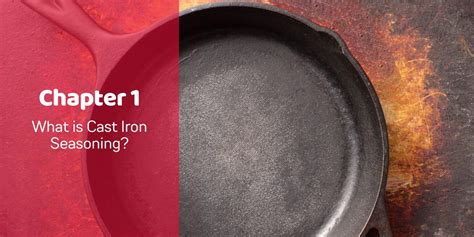
The Foundation: Initial Seasoning a New or Stripped Pan
Whether you’ve just bought a new, unseasoned pan or stripped an old one, the initial seasoning is crucial. This process creates the first layer of polymerized oil, which is essentially a baked-on, plastic-like coating that prevents rust and provides a non-stick surface.
What You’ll Need:
- Cast iron pan
- High smoke point oil (flaxseed oil, grapeseed oil, avocado oil, or shortening work best)
- Clean, lint-free cloth or paper towels
The Process:
- Clean Thoroughly: Wash the pan with hot water and a brush. For new pans, avoid soap if it’s already factory-seasoned; otherwise, a tiny bit of mild soap is okay for a raw pan. Dry it immediately and thoroughly on the stovetop over low heat to ensure no moisture remains.
- Apply a Thin Layer of Oil: Once the pan is dry and slightly warm, apply a very thin, even layer of your chosen oil to the entire pan – inside, outside, and handle. The key is *very thin*; wipe it down as if you’ve applied too much and are trying to remove it all.
- Bake It In: Place the pan upside down on the middle rack of a cold oven. Place aluminum foil or a baking sheet on the bottom rack to catch any drips. Preheat the oven to 450-500°F (230-260°C). Once it reaches temperature, bake for one hour.
- Cool Down: Turn off the oven and let the pan cool completely inside the oven. This helps the seasoning bond effectively.
- Repeat for Best Results: For a truly robust initial seasoning, repeat steps 2-4 three to five times. Each layer adds to the pan’s protective and non-stick qualities.

Daily Use: Cooking for Better Seasoning
Your cast iron pan’s seasoning improves with every use. Here’s how to cook smarter:
- Preheat Properly: Always preheat your cast iron pan slowly over medium heat. This ensures even cooking and prevents food from sticking.
- Use Cooking Fats: While you can cook without much oil once seasoned, cooking with a bit of oil or fat (like butter, lard, or vegetable oil) during regular use helps maintain and build seasoning.
- Avoid Acidic Foods (Initially): For newly seasoned pans, avoid cooking highly acidic foods (like tomato sauce or lemon juice) for the first few months. Acids can strip the seasoning. As the seasoning builds up over time, your pan will become more resistant.
- Scrape While Hot: After cooking, if there are stubborn bits, use a flat metal spatula to scrape them off while the pan is still hot.
Natural Cleaning and Maintenance
Forget the soap for routine cleaning (mostly)! Here’s how to keep your pan pristine naturally:
Immediate Cleaning:
- Hot Water & Scraper: Immediately after cooking, while the pan is still warm, rinse it with hot water. Use a stiff brush, a pan scraper, or even a chainmail scrubber to remove any stuck-on food. Avoid abrasive sponges like steel wool unless you intend to re-season.
- Salt Scrub for Stubborn Bits: For tougher residue, sprinkle a generous amount of coarse salt (kosher salt works well) into the pan. Add a tablespoon of hot water and scrub with a paper towel or sponge. The salt acts as a gentle abrasive. Rinse thoroughly.
Drying is Key:
Moisture is cast iron’s arch-nemesis. Always dry your pan immediately and thoroughly after washing. You can towel dry it and then place it on the stovetop over low heat for a few minutes until all moisture has evaporated.

Post-Clean Oiling:
Once dry, apply another very thin layer of high smoke point oil to the entire pan, inside and out. Buff it with a clean cloth or paper towel until it looks almost dry. This protective layer prevents rust and continues to build your seasoning.
Troubleshooting and Re-Seasoning
Even with the best care, sometimes a pan might lose some of its seasoning or develop rust.
- Spot Re-seasoning: If only a small area is affected, clean the spot thoroughly, apply a thin layer of oil, and heat the pan on the stovetop until it starts to smoke slightly, then let it cool.
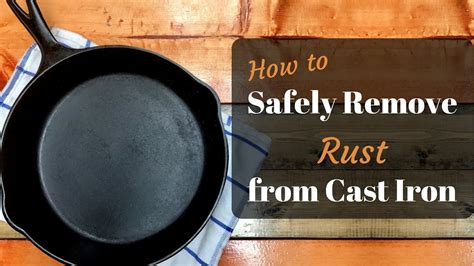
- Rust Removal: If you find rust, scrub it off with steel wool or a strong abrasive (like a lemon half dipped in salt). Once the rust is completely gone, wash, dry, and then perform a full oven seasoning process as described above to restore the protective layer.
Proper Storage
Store your cast iron pan in a dry place. If stacking other pans on top, place a paper towel or cloth between them to prevent scratching and absorb any residual moisture.

Conclusion
Mastering the natural seasoning and maintenance of cast iron pans is a rewarding endeavor. It transforms a simple piece of cookware into a cherished kitchen tool that improves with age and use. By following these natural tips – from initial seasoning to daily cleaning and proper storage – you’ll ensure your cast iron remains a joy to cook with for generations, providing a truly non-toxic and naturally non-stick cooking experience.