

Tips for seasoning cast iron skillets for easy, non-stick country cooking?

Why Seasoning Your Cast Iron is Essential
For generations, cast iron skillets have been the workhorse of country kitchens, celebrated for their durability and even heat distribution. However, their true magic – the ability to cook without sticking – lies in a well-maintained layer of seasoning. This isn’t just about preventing rust; it’s about creating a natural, polymerized surface that allows eggs to slide and cornbread to release with ease. A properly seasoned skillet transforms everyday cooking into a joy, especially when tackling classic country dishes that often require high heat and robust flavors.
The Foundation: Initial Seasoning Steps
Whether you’re starting with a brand-new, unseasoned skillet or restoring an old favorite, the initial seasoning is critical. Begin by thoroughly washing your skillet with warm water and a tiny bit of soap (for first-time washes, it’s okay) or just hot water, scrubbing well to remove any manufacturing residues or rust. Dry it immediately and completely over low heat on the stovetop to ensure no moisture remains.
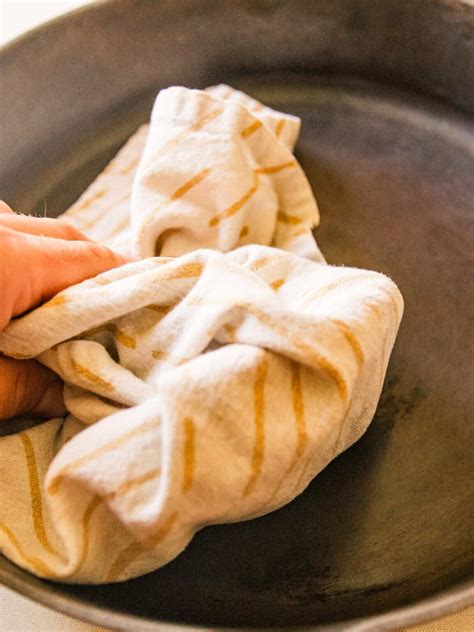
Next, apply a very thin, even layer of high smoke point oil (like grapeseed, canola, or flaxseed oil) to every surface of the skillet – inside, outside, and handle. Use a paper towel to wipe off any excess oil, as too much will result in a sticky, gummy finish. Bake the skillet upside down in an oven preheated to 450-500°F (232-260°C) for one hour. Place a baking sheet or aluminum foil on the rack below to catch any drips. After an hour, turn off the oven and let the skillet cool completely inside. Repeat this oiling and baking process 3-5 times for a robust initial seasoning.
Everyday Maintenance for a Robust Layer
The seasoning process doesn’t end after the initial bake; it’s an ongoing relationship. After each use, once the skillet has cooled slightly, scrape out any food residue. Wash it with hot water and a stiff brush or non-abrasive scrubber – avoid harsh soaps, especially for well-seasoned pans, as they can strip the oils. Dry the skillet immediately and thoroughly, again perhaps over low heat on the stove.

Once dry, apply another very thin layer of cooking oil. You can then either place it back on low heat for a few minutes until it just starts to smoke (then turn off the heat and let it cool), or simply wipe it down and store it. This continuous re-oiling and heating reinforces the polymerized layer, building a truly non-stick surface over time.
Choosing the Right Oils for Seasoning
The type of oil you use can impact the quality of your seasoning. For initial seasoning, oils with a high smoke point and good polymerization properties are ideal. Grapeseed oil, canola oil, vegetable oil, and shortening are all excellent choices. Many enthusiasts swear by flaxseed oil for its strong polymerization, though it can sometimes create a more brittle layer. While olive oil is great for cooking, its lower smoke point makes it less ideal for building up the initial seasoning layer.
Common Mistakes to Avoid
Several common pitfalls can hinder your cast iron’s non-stick potential. Firstly, using too much oil during seasoning is a frequent error; remember, a very thin, almost non-existent layer is key to preventing stickiness. Secondly, avoiding abrasive scrubbers like steel wool is important, as they can scratch away your hard-earned seasoning. Never let your cast iron air dry, as this can lead to rust. Lastly, while your skillet builds its seasoning, avoid cooking highly acidic foods like tomato sauce or lemon juice, as they can strip the seasoning.
Mastering Non-Stick Country Cooking
With a well-seasoned skillet, country cooking becomes a breeze. Always preheat your cast iron slowly and thoroughly; this ensures even cooking and helps prevent sticking. Use a moderate amount of cooking fat (butter, lard, or oil) when you start, even in a well-seasoned pan. Don’t crowd the pan, allowing food to sear properly and develop a crust before attempting to flip it. For dishes like fried chicken, cornbread, or crispy potatoes, the natural non-stick surface of a seasoned skillet truly shines, creating that perfect golden-brown crust and easy release every time.
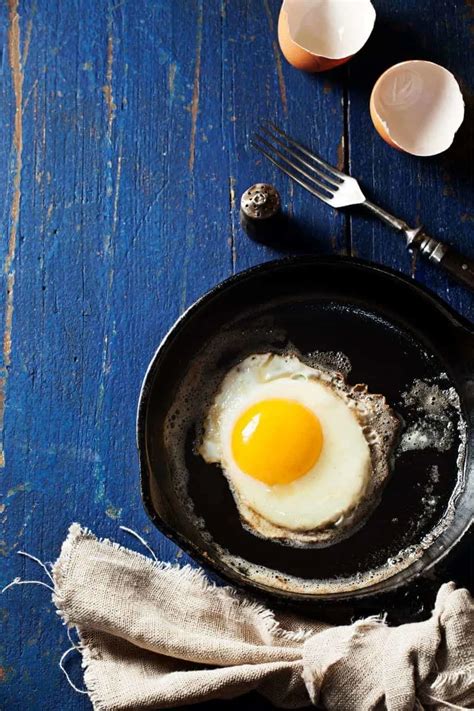
Embrace the journey of seasoning your cast iron skillet. Each meal you cook contributes to its non-stick legacy, making it an invaluable tool for delicious, easy country cooking for years to come. With proper care and consistent maintenance, your cast iron will become a cherished heirloom, capable of handling anything from a delicate fried egg to a hearty skillet roast.