




Tips for sourcing farm-fresh ingredients & cooking real food on a rural road trip?

Embarking on a rural road trip offers a unique opportunity to connect with the land, its people, and its produce. Far from the fast-food chains and generic grocery stores, the open road invites you to discover the bounty of local farms and artisanal producers. Sourcing farm-fresh ingredients and cooking real food while on the go not only enhances your culinary experience but also deepens your connection to the regions you traverse. This guide will provide actionable tips to make your gastronomic journey as fulfilling as your scenic drives.
Pre-Trip Planning: Laying the Foundation for Freshness
Success in sourcing farm-fresh ingredients often begins long before you hit the highway. Thorough planning is paramount. Start by mapping out your route and identifying potential stops that align with local food opportunities. Research farmers’ market schedules – many operate only on specific days of the week – and note their locations. Websites like Local Harvest or USDA’s Agricultural Marketing Service can be invaluable resources for finding markets, U-pick farms, and roadside stands along your intended path. Also, consider calling ahead to smaller farms if you have specific items in mind or want to inquire about their operating hours.
Equally important is planning your mobile kitchen setup. While you won’t bring everything, a few key items will make cooking on the road feasible and enjoyable. Think about cooler capacity, a portable stove (propane or electric, depending on your power access), basic cooking utensils, a cutting board, and essential spices. Don’t forget reusable bags for your market hauls and containers for storing leftovers. A well-stocked kit ensures you’re ready to transform your fresh finds into delicious meals.

On-the-Road Sourcing: Where to Find Nature’s Bounty
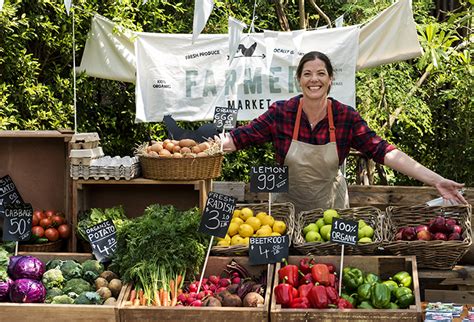
Once you’re on your trip, the real adventure of sourcing begins. Keep an eye out for handwritten signs advertising “fresh eggs,” “local honey,” or “just-picked berries.” These often lead to charming roadside stands or small farm gates where you can buy directly from the producers. Farmers’ markets, though requiring a bit more planning for specific days, are a vibrant hub for a wide array of produce, meats, baked goods, and artisanal products. Engaging with the farmers themselves not only provides insight into their practices but also often yields tips for preparation or other local gems.
U-pick farms offer an interactive and often cost-effective way to get incredibly fresh fruit and vegetables. Picking your own strawberries, blueberries, or apples can be a delightful experience, especially if you’re traveling with family. While less romantic, local independent grocery stores in smaller towns can also be a surprisingly good source for regional specialties or products from nearby farms that don’t have their own stands. Don’t be shy about asking locals for recommendations – they often know the best-kept secrets for quality ingredients.

Essential Gear & Smart Storage Solutions
A successful farm-to-table road trip relies heavily on having the right equipment and smart storage practices. Your cooler is your best friend. Invest in a high-quality cooler that can hold ice for several days, and use ice packs or frozen water bottles to maximize its efficiency. Organize your cooler so that raw meats are separated and at the bottom, preventing cross-contamination. For produce, keep items like leafy greens in airtight containers or reusable produce bags to maintain freshness longer. Non-perishable items like grains, pasta, olive oil, and shelf-stable spices can be stored in a separate dry goods bin.
Beyond the cooler, a basic cooking kit is indispensable. This might include a single or dual-burner portable stove, a small pot and pan, a sharp knife, a cutting board, basic spatulas, and a can opener. Biodegradable soap and a small washbasin for cleaning dishes are also practical additions. Remember to bring a source of potable water, both for drinking and cooking. Having these essentials not only makes cooking possible but also ensures food safety and cleanliness, critical when you’re far from your home kitchen.

Simple & Delicious Roadside Cooking Ideas
Cooking “real food” on a road trip doesn’t mean gourmet meals; it means simple, wholesome dishes that highlight your fresh ingredients. Think quick sautés, hearty salads, and one-pot wonders. Fresh vegetables can be quickly stir-fried with some protein (like eggs from a local farm or a pre-cooked sausage) and served over instant rice or noodles. Fresh bread and cheese from a local bakery or dairy, paired with ripe tomatoes and herbs, make for an unbeatable sandwich or picnic spread.
Breakfasts can be as simple as oatmeal with fresh berries, or scrambled eggs with local peppers and onions. For dinner, consider grilling fresh corn on the cob (if you have a grill option), or making a vibrant pasta salad loaded with market veggies. The key is to keep recipes straightforward, minimizing cleanup and maximizing the natural flavors of your carefully sourced ingredients. Embrace the spontaneity and creativity that comes with cooking in less conventional settings.
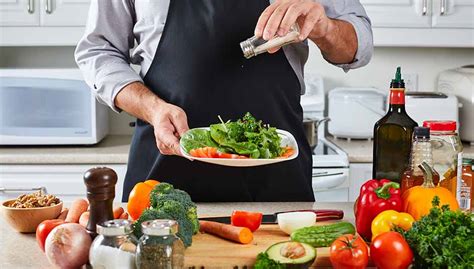
Embracing the Local Flavor and Experience
Ultimately, sourcing farm-fresh ingredients and cooking real food on a rural road trip is about more than just sustenance; it’s about immersion. It’s about tasting the terroir of a region, supporting local economies, and experiencing the slower pace of life that defines many rural areas. Each farmer’s market visit, each roadside stand stop, and each meal prepared with freshly gathered ingredients becomes a memorable part of your journey.
Don’t be afraid to try new things – that unusual squash, a unique local cheese, or a heritage tomato variety you’ve never seen before. These discoveries are often the highlights of a culinary road trip. By connecting with local food sources, you’re not just feeding yourself; you’re engaging with the culture, history, and heart of the places you visit, turning a simple drive into a rich, flavorful adventure.