



Tips for starting a thriving backyard vegetable garden from scratch?
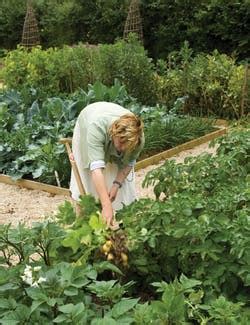
Starting a vegetable garden from scratch can seem daunting, but it’s an incredibly rewarding endeavor that connects you with nature, provides fresh produce, and enhances your outdoor space. With a little planning and effort, you can transform a patch of your backyard into a thriving source of delicious, homegrown vegetables. This guide will walk you through the fundamental steps to ensure your garden gets off to a strong start.
1. Choose the Right Location
The first and most critical step is selecting the perfect spot for your garden. Most vegetables require at least 6-8 hours of direct sunlight per day to flourish. Observe your yard throughout the day to identify areas that receive ample sun. Also, consider proximity to a water source for easy irrigation and good drainage to prevent waterlogging. Avoid areas near large trees or shrubs that might compete for nutrients and sunlight.
2. Prepare Your Soil
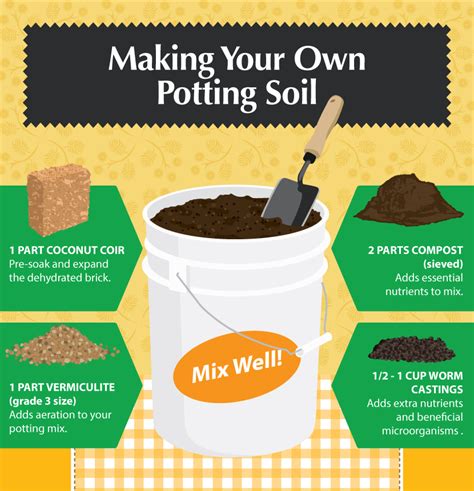
Healthy soil is the foundation of a successful garden. Don’t skip this step! Start by clearing the chosen area of weeds, grass, and debris. You can do this manually, by solarizing (covering with clear plastic for several weeks), or by using a layering method (lasagna gardening). Next, test your soil’s pH and nutrient levels using a home test kit or by sending a sample to your local extension office. Based on the results, amend your soil with organic matter like compost, aged manure, or leaf mold. This improves soil structure, drainage, water retention, and provides essential nutrients.
3. Decide on Your Garden Type
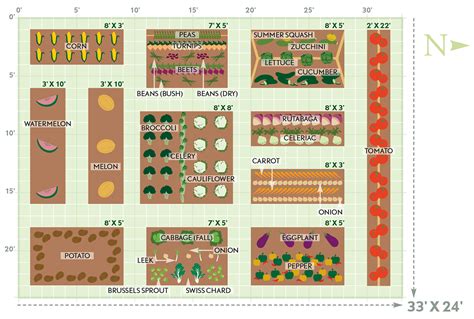
You have a few options for how to set up your garden beds. In-ground beds are cost-effective but require more soil preparation. Raised beds offer better drainage, warm up faster in spring, and can be filled with a custom soil mix, reducing compaction. Container gardening is ideal for small spaces, patios, or for growing specific plants like herbs and some tomatoes. Choose the method that best suits your space, budget, and physical abilities.

4. Select Your Vegetables Wisely
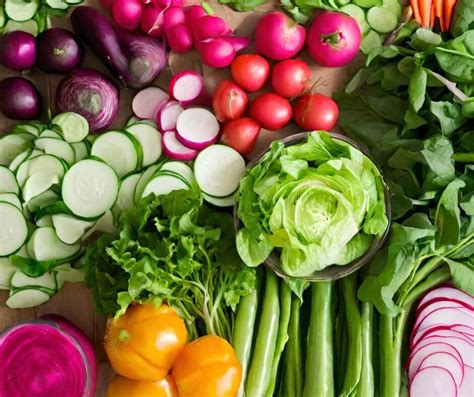
Especially for beginners, it’s best to start with easy-to-grow vegetables that thrive in your local climate. Consider what you and your family enjoy eating. Good beginner options include lettuce, spinach, radishes, bush beans, zucchini, cucumbers, and cherry tomatoes. Pay attention to your area’s growing zone and frost dates when selecting plants. Read seed packets or plant tags for information on sun requirements, spacing, and maturity dates.
5. Planting and Watering Techniques
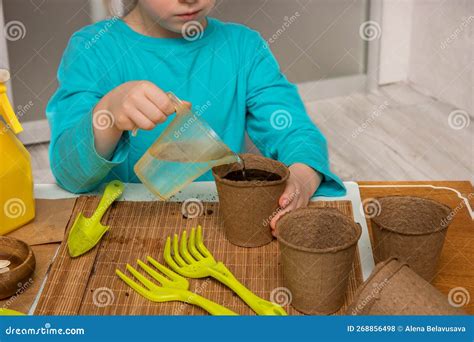
Whether you’re starting from seeds or transplanting seedlings, follow the specific instructions for depth and spacing. Proper spacing ensures plants have enough room to grow and receive adequate airflow, which can prevent diseases. Water your garden consistently, especially during dry spells. Deep, infrequent watering is generally better than shallow, frequent watering, as it encourages roots to grow deeper. Water at the base of the plants in the morning to allow foliage to dry before nightfall, reducing fungal issues.
6. Ongoing Care and Maintenance
A thriving garden requires ongoing attention. Mulch around your plants with straw, wood chips, or shredded leaves to suppress weeds, retain soil moisture, and regulate soil temperature. Regularly check for pests and diseases, addressing them promptly with organic solutions when possible. Fertilize as needed, typically with a balanced organic fertilizer, based on plant growth and soil test results. Harvest your vegetables regularly to encourage further production.
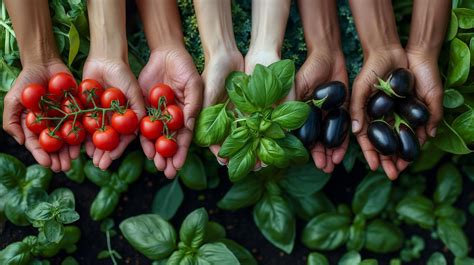
Starting a backyard vegetable garden from scratch is a journey of learning and discovery. Don’t be discouraged by minor setbacks; every gardener experiences them. Embrace the process, enjoy the fresh flavors, and soon you’ll be reaping the delicious rewards of your hard work. Happy gardening!