




Tips for turning a tough country cut of beef into a fork-tender, flavorful meal?

Embracing the Challenge of Tough Cuts
Country cuts of beef, often more economical, can be notoriously tough due to their high collagen content and well-worked muscle fibers. However, with the right culinary techniques, these cuts can be transformed into incredibly flavorful, melt-in-your-mouth dishes. The secret lies in understanding how to break down those connective tissues and infuse the meat with moisture and rich taste. Forget bland, chewy beef; prepare for a feast that rivals prime cuts.
The Magic of Marinades
Marinades are your first line of defense against tough beef. They work in two primary ways: through acidic ingredients and enzymatic action. Acidic components like vinegar, lemon juice, wine, or buttermilk help to break down surface proteins, allowing the marinade’s flavors to penetrate deeper. Enzymatic ingredients, such as fresh pineapple, papaya, ginger, or kiwi, contain natural enzymes that actively tenderize the meat by breaking down muscle fibers.
For best results, marinate tougher cuts for at least 6-12 hours, or even up to 24 hours in the refrigerator. Ensure the meat is fully submerged and turn it occasionally to ensure even coverage.
Slow and Low: The Art of Braising and Stewing
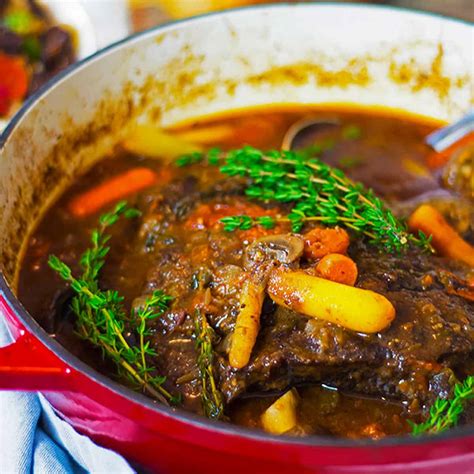
Perhaps the most effective method for tenderizing tough cuts is slow cooking, whether through braising or stewing. This technique involves cooking the meat at a low temperature for an extended period in a moist environment. The long, gentle heat slowly dissolves collagen into gelatin, giving the meat a succulent, tender texture that can be easily pulled apart with a fork.
Use a heavy-bottomed pot like a Dutch oven, a slow cooker, or even an Instant Pot (for accelerated results). Start by searing the beef to develop a rich crust and flavor, then add aromatic vegetables (onions, carrots, celery), a flavorful liquid (broth, wine, beer, tomato sauce), and herbs. Cover tightly and let time do its work.
Mechanical Tenderizing and Pre-Cooking Tricks
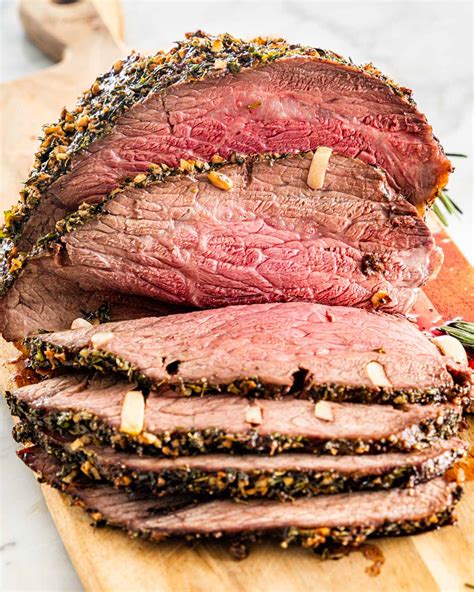
Before cooking, you can employ several mechanical techniques to aid in tenderization. Pounding the beef with a meat mallet physically breaks down tough fibers, making it more pliable and uniform in thickness for even cooking. For stir-fries or quick-cooking dishes, a technique called ‘velveting’ can be invaluable: toss thinly sliced beef with a pinch of baking soda, a little soy sauce, and cornstarch. The baking soda slightly raises the pH, tenderizing the meat, while the cornstarch creates a protective coating that keeps it moist during high-heat cooking.
Another simple yet powerful trick is dry brining. Sprinkling coarse salt over the meat 1-2 hours before cooking (or even overnight) draws out moisture, which is then reabsorbed along with the salt, resulting in juicier, more tender beef.

Carving Against the Grain
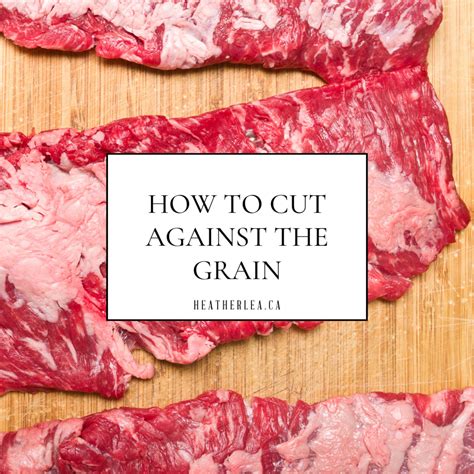
Even perfectly cooked, tender beef can feel tough if sliced incorrectly. Always identify the direction of the muscle fibers (the grain) and slice perpendicular to them. This shortens the muscle fibers, making each bite easier to chew and giving the illusion of even greater tenderness.
Building Layers of Flavor
Tenderness alone isn’t enough; a truly great dish needs robust flavor. Don’t skip steps like searing the meat thoroughly before braising to develop a rich, savory crust. Deglaze the pan with wine or broth to capture all those flavorful browned bits. Use plenty of aromatics like garlic, onions, and herbs (rosemary, thyme, bay leaves), and consider adding umami-rich ingredients such as mushrooms, Worcestershire sauce, or a touch of tomato paste. These elements create a complex and satisfying depth of flavor that complements the tender beef.

Conclusion: Patience and Technique Pay Off
Turning a tough country cut of beef into a fork-tender, flavorful masterpiece is a testament to the power of classic cooking techniques. Whether you choose the enzymatic embrace of a marinade, the patient alchemy of slow braising, or the quick fix of mechanical tenderizing, each method contributes to unlocking the hidden potential of these economical cuts. With a little knowledge and practice, you’ll be consistently creating delicious, tender beef dishes that delight the palate and impress your diners.