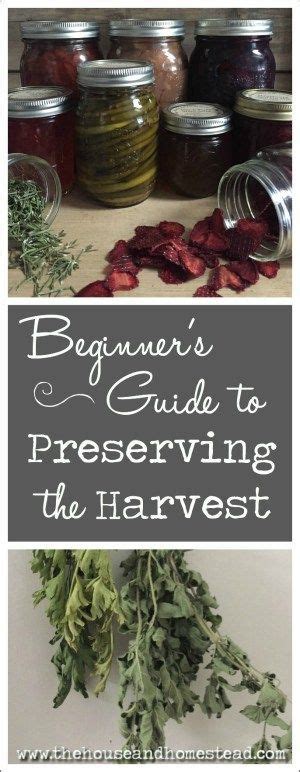





Tips for turning abundant garden harvest into pantry-ready real food recipes?

The Bounty Beyond the Garden Bed
The satisfaction of a flourishing garden often comes with the delightful challenge of an overflowing harvest. Turning this fresh abundance into pantry staples not only reduces waste but also provides healthy, homemade ingredients for months to come. Imagine enjoying sun-ripened tomatoes in January or crisp green beans in February – all from your own backyard.
Strategic Planning for Preservation Success
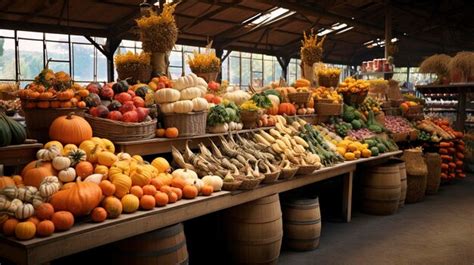
Before the harvest peaks, a little planning goes a long way. Begin by assessing what you’ve grown and estimate potential yields. Consider what your family truly enjoys and consumes regularly. Investing in the right preservation equipment – be it canning jars, a quality dehydrator, a vacuum sealer, or even just freezer-safe containers – will streamline the process and save valuable time.
Think about the versatility of your produce. Tomatoes can be transformed into sauce, paste, or diced for stews. Cucumbers can become tangy pickles or savory relish. Planning these transformations ahead of time helps you maximize your efforts and avoid last-minute overwhelm.
Mastering Key Preservation Techniques
Different vegetables and fruits lend themselves to various preservation methods, each offering unique benefits and flavors. Understanding these techniques is key to a well-stocked pantry.
![VIVIZ - The 3rd Mini Album 'VarioUS' [PLVE ver.] - interAsia](/images/aHR0cHM6Ly90czMubW0uYmluZy5uZXQvdGg/aWQ9T0lQLnVCd1JZb0tPOEtNNTF6Rko0RDhUN0FIYXVvJnBpZD0xNS4x.webp)
- Canning: Ideal for high-acid foods like tomatoes, fruits, and pickles, or low-acid foods such as beans and corn (which require a pressure canner). This method creates shelf-stable products perfect for long-term storage.
- Freezing: Excellent for maintaining the fresh taste and nutrients of many vegetables (blanching often recommended first!) and fruits. Berries, corn, peas, and green beans freeze beautifully, offering quick additions to meals.
- Dehydrating: This process removes moisture, concentrating flavors and making items incredibly lightweight for storage. Think dried herbs, fruit leathers, sun-dried tomatoes, or even crispy kale chips.
- Fermenting: Transforms vegetables into probiotic-rich foods like sauerkraut, kimchi, or lacto-fermented pickles. These often require cool storage but offer unique tangy flavors and significant health benefits.
- Infusing Oils & Vinegars: Fresh herbs can be infused into quality oils or vinegars to create gourmet additions for dressings, marinades, and cooking.
Transforming Preserved Goods into Real Food Recipes
The real magic happens when you turn your preserved items into delicious, wholesome meals. A well-stocked pantry is a springboard for culinary creativity.
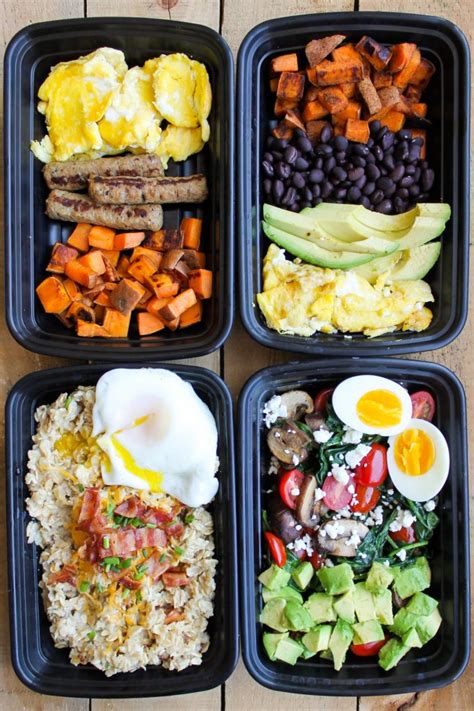
Canned Goods: Use your homemade canned tomatoes for rich pasta sauces, hearty chili, or comforting soups. Canned beans are perfect for quick salads, wholesome stews, or savory dips. Pickled vegetables add a tangy crunch to sandwiches, burgers, or as a vibrant side dish.
Frozen Produce: Toss frozen berries directly into morning smoothies, oatmeal, or bake them into delicious pies and muffins. Add frozen corn, peas, or green beans straight to stir-fries, casseroles, or as a vibrant vegetable side, saving prep time.
Dehydrated Delights: Rehydrate dried mushrooms or tomatoes to build a flavorful base for sauces, risottos, or stews. Crumble dried herbs into any dish for concentrated flavor. Snack on homemade fruit leathers or add dried fruit to granola, oatmeal, and trail mixes.
Fermented Foods: Serve homemade sauerkraut as a classic side dish with sausages, incorporate tangy kimchi into fried rice or savory pancakes, or enjoy lacto-fermented pickles straight from the jar for a healthy snack.
Efficient Storage and Pantry Organization
Proper labeling (including the date and contents) is absolutely crucial for any preserved food. Store canned goods in a cool, dark, and dry place away from direct sunlight. Frozen items should be in airtight containers or vacuum-sealed bags to prevent freezer burn and maintain quality. Dehydrated foods need to be stored in airtight jars or bags, also away from light and moisture, to ensure longevity. An organized pantry makes it easy to see what you have, preventing forgotten jars and reducing food waste.

Enjoying Your Year-Round Harvest
Embracing these preservation techniques not only empowers you to eat locally and seasonally all year but also provides a deep satisfaction in knowing exactly what goes into your food. Your abundant garden harvest can truly become a cornerstone of your pantry, offering healthy, real food meals whenever you desire, connecting you to the earth’s bounty in every season.