Tips for turning garden abundance into practical, freezable meals?
Embrace Your Garden’s Bounty: From Harvest to Freezer
The joy of a flourishing garden is unmatched, but with great abundance comes the challenge of utilizing every last bit of your harvest. Before your precious produce wilts or spoils, consider turning it into practical, freezable meals. This strategy not only reduces food waste but also creates a treasure trove of ready-to-eat dinners, snacks, and ingredients for future culinary adventures. Imagine pulling out a homemade sauce or a pre-prepped veggie mix on a busy weeknight – pure convenience!
Why Turn Abundance into Freezable Meals?
There are countless benefits to freezing your garden’s bounty. First, it’s an incredible time-saver. By dedicating a few hours to prep and cook when your garden is at its peak, you’ll thank yourself during hectic periods. Second, it’s a smart financial move, allowing you to enjoy organic, seasonal produce year-round without premium prices. Most importantly, it’s a powerful way to combat food waste, ensuring that none of your hard work in the garden goes unappreciated.
Essential Freezing Principles
To ensure your frozen meals are as delicious as their fresh counterparts, a few key principles are important. Always cool cooked food completely before freezing to prevent ice crystal formation and maintain texture. Use freezer-safe containers or bags, removing as much air as possible to prevent freezer burn. Proper labeling with the contents and date is crucial for organization and ensuring you use items within their optimal freezing window (typically 3-6 months for most prepared meals).
Prepping Vegetables for Freezing
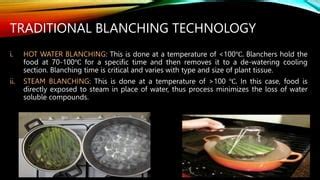
Most vegetables benefit from a quick blanching before freezing. Blanching involves briefly boiling vegetables and then rapidly cooling them in ice water. This process stops enzyme action that causes loss of flavor, color, and texture. Hardier vegetables like broccoli, green beans, peas, and corn on the cob are excellent candidates. Softer vegetables like bell peppers and onions can often be frozen raw, especially if you plan to cook them thoroughly later.
Garden Staples and Their Freezer Potential
Tomatoes: From Vine to Sauce
Tomatoes are perhaps the most versatile freezer candidate. Whole, peeled tomatoes can be frozen for later use in sauces. Even better, transform them into rich pasta sauces, chunky salsas, or pizza sauces. Cooked tomato sauce freezes beautifully in jars or freezer bags, becoming a base for countless future meals.
Zucchini and Summer Squash: Versatile Veggies
Shredded zucchini freezes wonderfully for use in muffins, breads, or casseroles. Diced zucchini and summer squash can be blanched and frozen for stir-fries, soups, or even “zoodles” that can be briefly boiled from frozen.
Peppers and Onions: Flavor Foundations
Chop bell peppers and onions into various sizes (strips for fajitas, diced for stir-fries) and freeze them raw on a baking sheet before transferring to bags. This prevents them from clumping and makes it easy to grab just what you need.
Herbs: Preserving Fragrance
Fresh herbs like basil, parsley, and cilantro can be chopped and frozen in ice cube trays with a little olive oil or water. Once frozen, pop out the cubes and store them in a freezer bag. They’re perfect for tossing into soups, stews, or sauces. You can also make and freeze pesto for quick pasta meals.

Batch Cooking Ideas for a Full Freezer
Beyond individual ingredients, whole meals are fantastic for freezing. Think hearty vegetable soups, chilis, casseroles (like lasagna or shepherd’s pie), and baked pasta dishes. Cook these meals in large batches, portion them into individual or family-sized servings, and freeze. They become a delicious and healthy alternative to takeout on busy evenings.
Make-Ahead Breakfasts and Baked Goods
Don’t forget breakfast! Muffins packed with shredded zucchini or berries, breakfast burritos, and even pancakes can be made in large quantities and frozen. Simply reheat for a quick and nutritious start to your day.
Tips for Freezer Organization
A well-organized freezer makes meal retrieval a breeze. Use clear containers or bags so you can easily see contents. Label everything clearly with the item name and date. Consider a simple inventory list on your freezer door to keep track of what you have and when it needs to be used (First In, First Out principle). This prevents forgotten items and freezer burn.

Conclusion
Turning your garden’s bounty into practical, freezable meals is a rewarding endeavor. It transforms potential waste into future convenience, allowing you to savor the taste of your garden throughout the year. With a little planning and preparation, your freezer can become a silent partner in your kitchen, ensuring healthy, delicious, and homemade meals are always within reach.