Tips for using garden surplus in easy, homemade country recipes?

There’s nothing quite as satisfying as stepping into your backyard and harvesting a bounty of fresh vegetables and fruits. But what happens when your garden produces more than you can possibly eat in a week? Instead of letting that delicious surplus go to waste, embrace the charming tradition of homemade country cooking. These simple, rustic recipes are designed to highlight the natural flavors of your harvest, making the most of every sun-ripened tomato, crisp bean, or sweet berry.
Embrace the Spirit of Seasonal Cooking
Country cooking is all about working with what you have, and when you have an abundance from the garden, it’s a chef’s dream. The key is to think seasonally and creatively. Don’t feel pressured to follow complicated recipes; often, the best dishes are the simplest, allowing the fresh produce to shine.

Savory Solutions for Vegetable Overload
When zucchini, tomatoes, or green beans are overflowing, consider hearty, comforting dishes. Soups and stews are excellent for using up a mix of vegetables. A classic ratatouille, for instance, is perfect for eggplants, tomatoes, zucchini, and peppers. Large batches can be made and frozen for later. Casseroles are another fantastic way to incorporate many ingredients – think vegetable gratins with creamy sauces and breadcrumb toppings. Don’t forget about quick stir-fries or frittatas, which can be thrown together in minutes for a healthy meal.
For tougher greens like kale or Swiss chard, hearty sautés with garlic and a splash of vinegar make a delicious side. Root vegetables like carrots and potatoes are wonderful roasted, bringing out their natural sweetness and making a versatile accompaniment to almost any meal.
Sweet Delights from Fruitful Branches
If your fruit trees or berry bushes are heavy with ripe produce, the possibilities for sweet country recipes are endless. Jams, jellies, and preserves are quintessential country staples that capture the essence of summer in a jar. Berries, peaches, plums, and apples all make exquisite preserves that can be enjoyed throughout the year.
Beyond canning, think about pies, crumbles, cobblers, and tarts. A simple apple crisp or a berry cobbler requires minimal effort but delivers maximum flavor, especially when served warm with a scoop of vanilla ice cream. Quick breads and muffins are also excellent for incorporating fruits like zucchini (yes, it’s a fruit!), bananas, apples, and berries. Freeze sliced fruit for smoothies or future baking projects.

The Art of Preservation: Beyond Immediate Consumption
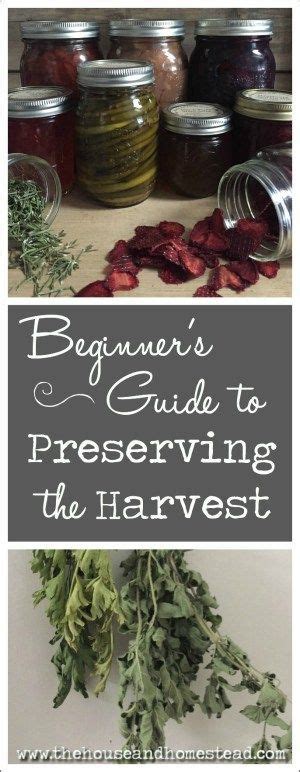
While fresh is best, thoughtful preservation extends your garden’s bounty far beyond harvest season. Canning tomatoes for sauces, pickling cucumbers for crunchy delights, or freezing corn kernels are time-honored traditions that stock your pantry for months. Dehydrating herbs and fruits offers another way to save flavor and nutrients in a compact form. Homemade pickles, relishes, and chutneys made from garden vegetables can elevate any meal and make wonderful gifts.

Tips for Maximizing Your Surplus
- Plan Ahead: As your garden starts to produce, think about what recipes you’ll make and what preservation methods you’ll use.
- Batch Cook: Make large quantities of soups, sauces, or roasted vegetables that can be portioned and frozen.
- Get Creative: Don’t be afraid to experiment. A little creativity can turn an abundance of one ingredient into a diverse range of dishes.
- Share the Wealth: If you truly have more than you can handle, share with neighbors, friends, or local food banks.
- Invest in Tools: A good food processor, a large stock pot, canning supplies, or a dehydrator can make processing large quantities much easier.

Conclusion
Transforming your garden’s surplus into easy, homemade country recipes is a rewarding endeavor that connects you more deeply with your food. It’s a practice of self-sufficiency, creativity, and delicious sustainability. So, next time your garden overflows, see it not as a challenge, but as an invitation to create comforting, wholesome meals that nourish body and soul, embodying the true spirit of country living.