Tips to involve kids in garden & homestead chores?

Cultivating Responsibility and Connection
Engaging children in the daily rhythms of gardening and homesteading offers a wealth of benefits that extend far beyond simply getting tasks done. It’s an opportunity to teach invaluable life skills, foster a deep connection to nature, and cultivate a sense of responsibility and accomplishment. For many families, the idea of getting kids excited about chores can seem daunting, but with a thoughtful approach, it can become a rewarding part of family life.
The key lies in making the experience enjoyable, educational, and tailored to their developmental stage. By empowering them with age-appropriate tasks and celebrating their contributions, you’re not just growing plants; you’re growing capable, confident individuals.

Start Small and Make it Playful
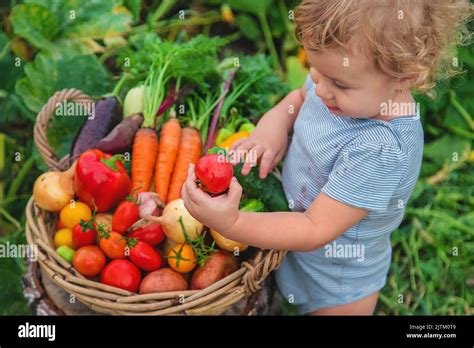
Introducing children to garden and homestead chores should begin with simplicity and fun. Don’t expect perfection; focus on participation. For toddlers, this might mean watering with a small pitcher or collecting berries. Older children can help with planting seeds, weeding designated areas, or gathering eggs.
Turn tasks into games: “Who can find the biggest weed?” or “Let’s race to fill the watering can!” Provide them with their own child-sized tools – a small shovel, gloves, or a watering can – to give them a sense of ownership and importance. Assign them their own small plot or a few containers to plant whatever they desire, giving them full responsibility for its care from start to finish.

Teach, Explain, and Empower
Children are naturally curious. Take the time to explain the ‘why’ behind each chore. Why do we weed? Why do plants need water? Why do we compost? Understanding the purpose makes the task more meaningful and less like a tedious obligation. Demonstrate how to do a task first, then let them try, offering gentle guidance rather than taking over.
Empower them by giving them real responsibilities. Instead of saying, “Help me plant,” say, “You are in charge of planting these bean seeds today.” Allow for mistakes; they are crucial learning opportunities. Praise effort and contribution, not just perfect execution. Celebrating a crooked row of carrots planted by tiny hands is more impactful than correcting it.

Integrate Chores into the Daily Rhythm
Consistency helps establish routines. Instead of viewing chores as isolated tasks, integrate them into the family’s daily or weekly rhythm. Maybe after breakfast, it’s time to check on the garden, or before dinner, everyone helps harvest ingredients for the meal. This natural flow makes chores feel less like an imposition and more like a regular part of family life.
Connect their efforts directly to tangible rewards – not necessarily monetary, but in the form of delicious meals made from their harvested produce, or fresh eggs for breakfast. Seeing the direct result of their labor, whether it’s a vibrant salad or a batch of homemade jam, provides immense satisfaction and reinforces the value of their contributions.
Prioritize Safety and Patience
Safety is paramount, especially on a homestead. Teach children about safe tool usage, identifying poisonous plants, and understanding the boundaries of animal interaction. Always supervise younger children, and ensure they are using appropriate personal protective equipment like gloves and closed-toe shoes.
Perhaps the most critical ingredient is patience. Kids will be slower, messier, and sometimes less enthusiastic. There will be days when their “help” feels more like hindrance. Remember that the goal isn’t just efficiency; it’s about fostering a love for nature, teaching responsibility, and creating cherished family memories. Embrace the mud, the wobbly wheelbarrows, and the occasional squashed tomato. These shared experiences are building blocks for a lifetime of connection and capability.
Growing Together
Involving kids in garden and homestead chores is an investment in their development and a joy for the entire family. It’s a journey of discovery, learning, and connection to the natural world around them. By making it fun, educational, and consistent, you can transform daily tasks into precious moments that cultivate not just a thriving garden or homestead, but also thriving, responsible children.