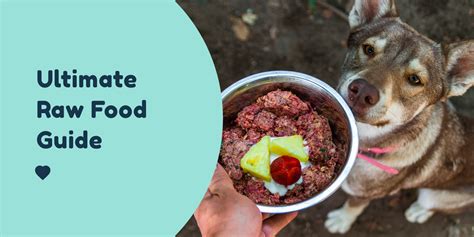
To what extent should raw ‘real food’ recipe fails be shared in BTS for authenticity?

The Allure of Authenticity in Food Content
In an era saturated with perfectly curated social media feeds, the demand for authenticity has never been stronger. Food creators, especially those focusing on ‘real food’ recipes, often grapple with the dilemma of how much of their process to reveal. Beyond the glossy finished dish, there’s a world of experimentation, unexpected mishaps, and sometimes, outright failures. The question is: to what extent should these raw, unedited recipe fails be shared in ‘Behind the Scenes’ (BTS) content to foster true authenticity?
Humanizing the Creator: Building Relatability
One of the most compelling arguments for sharing recipe fails is its power to humanize the creator. Viewers often feel a disconnect when presented only with flawless results, suspecting an unattainable standard or hidden tricks. By showcasing a burned crust, a collapsed soufflé, or a flavor combination gone awry, creators demonstrate that they too are on a learning journey, prone to mistakes. This vulnerability fosters relatability, making the creator more approachable and trustworthy. It tells the audience, “It’s okay if your first attempt isn’t perfect; mine often aren’t either.” This shared experience can significantly strengthen the bond between creator and audience, encouraging them to try new recipes without the fear of failure.
The Educational Value of Errors
Beyond simple relatability, recipe failures can offer immense educational value. A ‘fail’ isn’t just a mistake; it’s an opportunity to learn what went wrong and how to correct it. When creators transparently share why a recipe didn’t work (e.g., wrong oven temperature, incorrect ingredient ratio, poor technique), they equip their audience with practical insights. This transformation of a setback into a teaching moment elevates the content beyond mere entertainment, providing actionable advice that helps viewers improve their own cooking skills. It turns potential frustration into a valuable lesson, reinforcing the creator’s expertise not just in success, but in problem-solving.
Striking the Balance: Credibility vs. Transparency
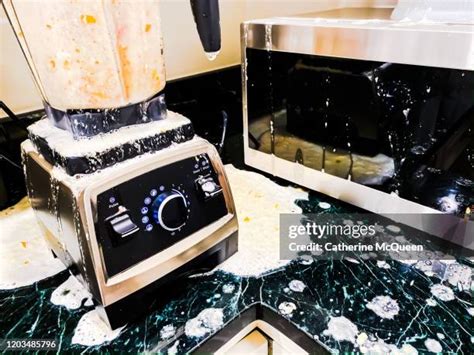
While the benefits of authenticity are clear, there’s a fine line to tread. Over-sharing failures, or presenting them without proper context or resolution, could inadvertently undermine a creator’s credibility. An audience seeking guidance on ‘real food’ recipes ultimately wants to learn how to succeed. If BTS content consistently portrays struggles without showcasing eventual triumphs or lessons learned, it might create an impression of incompetence rather than relatability. The key lies in strategic sharing: failures should ideally be presented as part of a process leading to improvement, rather than isolated instances of defeat. It’s about showing the journey, not just the stumbling blocks.

Curating the ‘Raw’ Experience
The solution isn’t to hide every misstep, nor is it to air every single flop. Instead, creators can adopt a curated approach to their raw content. This might involve:
- Highlight Reels of Fails: A montage of comical bloopers can be engaging and humanizing without dwelling too long on any single failure.
- “What Went Wrong” Segments: Dedicated sections where a specific fail is analyzed, explained, and corrected.
- Before-and-After: Showing the initial failed attempt alongside the perfected version, emphasizing perseverance.
- Humorous Self-Deprecation: Using humor to lighten the mood around mistakes, making them entertaining rather than disheartening.
By thoughtfully integrating these elements, creators can maintain their professional image while still offering the genuine, unfiltered glimpse into their kitchens that audiences crave. It’s about being authentic without being unprofessional, transparent without being disorganized.

Conclusion: Authenticity as a Deliberate Choice
Ultimately, the extent to which raw ‘real food’ recipe fails should be shared in BTS content is a strategic decision for each creator. It’s about finding the sweet spot where vulnerability connects with viewers without diminishing perceived expertise. When done thoughtfully, sharing failures can be a powerful tool for building a loyal, engaged community that trusts not just the creator’s successes, but also their process and their genuine passion for food. Authenticity, in this context, isn’t just about being real; it’s about being real with purpose and wisdom.