Troubleshooting sourdough starter for consistent country bread recipes?
Baking a beautiful, consistent country bread is a highly rewarding experience, but the journey often hinges on the health and vitality of your sourdough starter. A sluggish, overly sour, or inconsistent starter can lead to dense loaves, poor rise, or unpredictable flavors. This guide will walk you through common sourdough starter issues and provide practical solutions to ensure your starter is always ready to bake the perfect country loaf.
Understanding Your Sourdough Starter’s Health
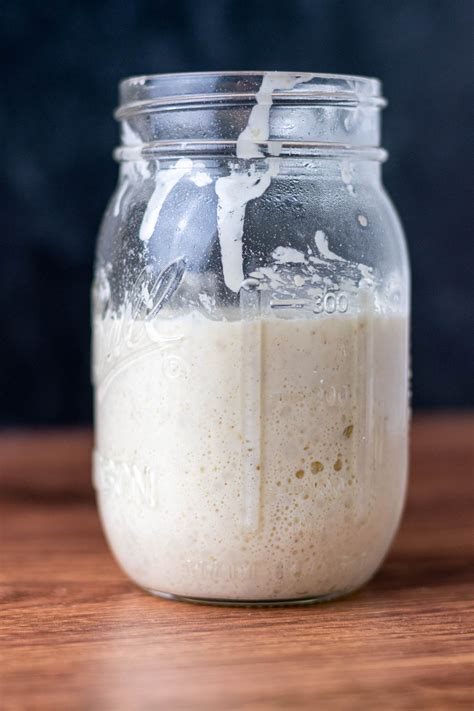
A healthy sourdough starter is the cornerstone of consistent bread. It should smell pleasant – a sweet, yeasty, slightly alcoholic aroma, not sharp or vinegary. Visually, a well-fed starter will rise predictably after feeding, developing a dome and countless small bubbles, eventually falling back down. Its texture should be like a thick batter, not too stiff or too runny. Observing these characteristics daily is crucial for identifying potential problems early.
An active starter is one that doubles (or more) in volume within 4-8 hours after feeding, depending on temperature and feeding ratio. If your starter consistently fails to show these signs of life, it might be struggling.
Common Sourdough Starter Problems and Solutions
Problem 1: Inactive or Sluggish Starter
Symptoms: Little to no rise after feeding, few bubbles, weak smell, or a flat, unreactive appearance.
Causes:
- Infrequent Feeding: The starter runs out of food before you feed it again.
- Cold Temperatures: Yeast and bacteria activity slows down significantly in cooler environments.
- Poor Flour Quality: Using bleached flour or flour without enough nutrients for the microbes.
- Too Much Old Starter: If the ratio of old starter to new flour/water is too high, the microbes quickly consume all the food.
Solutions:
- Increase Feeding Frequency: If storing at room temperature, feed every 12-24 hours. For refrigerated starters, feed every 1-2 weeks, then bring to room temp and feed 2-3 times before baking.
- Find a Warmer Spot: An ideal temperature range is 75-80°F (24-27°C). Use a proofing box, oven with the light on (turned off if it gets too hot), or a warm spot in your kitchen.
- Switch Flour: Use unbleached, good quality bread flour or a mix with rye or whole wheat flour to provide more nutrients.
- Adjust Ratios: Try a 1:2:2 or 1:3:3 ratio (starter:flour:water) for a stronger feed, especially if it’s sluggish.
![[Solved] Question 1: Define strong and weak sustainability and give ...](/images/aHR0cHM6Ly90czEubW0uYmluZy5uZXQvdGg/aWQ9T0lQLnBsSHVia2ZJT2h2RFc2RG8zZ3JzandIYUl0JnBpZD0xNS4x.webp)
Problem 2: Overly Sour or Acidic Starter
Symptoms: Strong vinegar or acetone smell, bread tasting too sour, or a very dense crumb.
Causes:
- Infrequent Feeding: Allows acetic acid bacteria to dominate as yeast runs out of food.
- Too Much Starter in Feeding Ratio: High inoculation means microbes quickly consume food, leading to over-fermentation and acid production.
Solutions:
- Increase Feeding Frequency: Feed more often to dilute the acid and provide fresh food.
- Adjust Ratios: Use a higher flour-to-starter ratio (e.g., 1:3:3 or even 1:5:5) to give the microbes more food to work through.
- Discard More: Discard a larger portion of the old starter before feeding to reduce the acidic environment.
Problem 3: Thin, Runny, or Watery Starter
Symptoms: Starter loses its structure quickly, appears very liquid, or separates readily.
Causes:
- Too High Hydration: Your starter might be fed with too much water for the flour used.
- Over-Fermentation: The gluten structure breaks down if the starter ferments for too long, making it runny.
Solutions:
- Adjust Hydration: Ensure you’re feeding with equal parts flour and water by weight (100% hydration) unless you intentionally aim for a stiffer starter. If it’s too thin, reduce the water slightly next feed.
- Monitor Fermentation Time: Don’t let your starter go too long between feeds, especially in warm environments.
Problem 4: Inconsistent Performance for Country Bread
Symptoms: Your country bread loaves have varying rise, crumb structure, or flavor from bake to bake, even with the same recipe.
Causes:
- Lack of Stable Starter Activity: Your starter might be active but not consistently so, or its peak activity isn’t aligning with your baking schedule.
- Temperature Fluctuations: Inconsistent room temperatures can drastically alter fermentation times.
- Not Using the Starter at its Peak: Baking with a starter that is past its peak or hasn’t reached it yet.
Solutions:
- Maintain a Stable Environment: Aim for a consistent feeding schedule and temperature for your starter, particularly in the 2-3 days leading up to a bake.
- Test Starter Activity: Perform a float test (a small dollop floats in water) or visually confirm it has doubled and is full of bubbles before using.
- Refresh Regularly: Even if stored in the fridge, regular refreshing (feeding) helps maintain its strength.

Key Factors for a Robust Sourdough Starter
Feeding Ratios and Schedule
Consistency is key. A common ratio is 1:1:1 (starter:flour:water by weight). However, adjusting this can strengthen a weak starter (e.g., 1:2:2 or 1:3:3). The feeding schedule should match your starter’s activity and your environment’s temperature. If kept at room temperature, daily feeding is often necessary. Refrigerated starters need feeding less often, but benefit from a few room-temperature feeds before baking.
Temperature Control
Temperature is the most significant factor affecting fermentation speed. A consistent temperature of 75-80°F (24-27°C) will yield the most active starter. Cooler temperatures slow it down; warmer temperatures speed it up. Understanding this helps you adjust your feeding schedule.
Flour Quality and Type
Unbleached flour is essential, as bleached flour lacks the necessary nutrients. A mix of strong bread flour with a small percentage of whole wheat or rye flour can significantly boost your starter’s vitality, as these flours contain more enzymes and microbes. Experiment to find what works best for your starter.

Hydration Levels
Maintaining a consistent hydration (usually 100% hydration, meaning equal parts flour and water by weight) helps predict your starter’s behavior. If you change hydration, expect changes in activity and texture.
Achieving Consistent Country Bread
Once you have a healthy, active, and consistently performing starter, your country bread recipes will naturally become more reliable. Always ensure your starter is at its peak activity when you use it for baking. Pay attention to all the details – from the quality of your flour to the temperature of your kitchen – and your journey to consistent, delicious country bread will be a smooth one.
Troubleshooting your sourdough starter is a journey of observation, patience, and adjustment. By understanding the signs of a healthy starter and knowing how to address common issues, you’ll cultivate a robust foundation for consistently baking beautiful and delicious country bread.