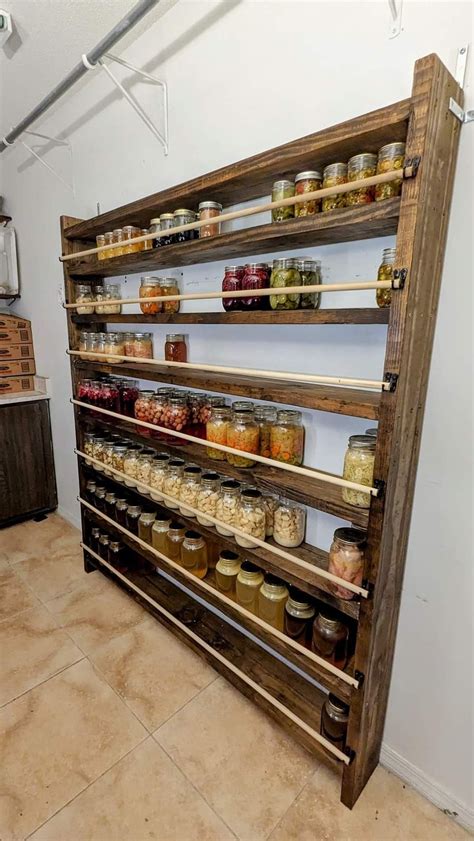
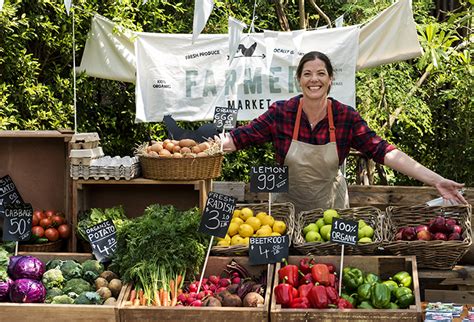
Using garden surplus: Best recipes for preserving seasonal vegetables?
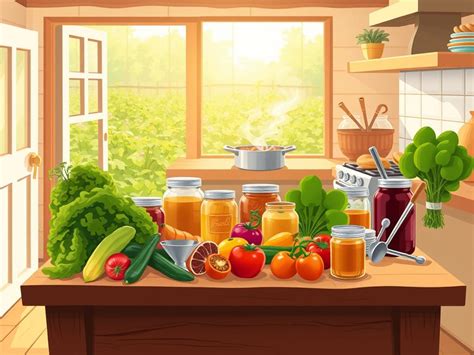
Making the Most of Your Bountiful Harvest
As the growing season peaks, many home gardeners find themselves with an abundance of fresh, delicious vegetables. While enjoying them fresh is a delight, preserving your garden surplus ensures you can savor the flavors of summer and autumn long after the growing season ends. From crisp pickles to rich tomato sauces, there’s a preservation method for almost every vegetable. Let’s explore some of the best recipes and techniques to make your harvest last.
Canning: Jams, Jellies, and Sauces
Canning is a classic preservation method, perfect for turning fruits and some vegetables into shelf-stable delights. It’s ideal for high-acid foods or for low-acid foods processed with a pressure canner. Think beyond simple jars of green beans and consider making gourmet sauces and jams.
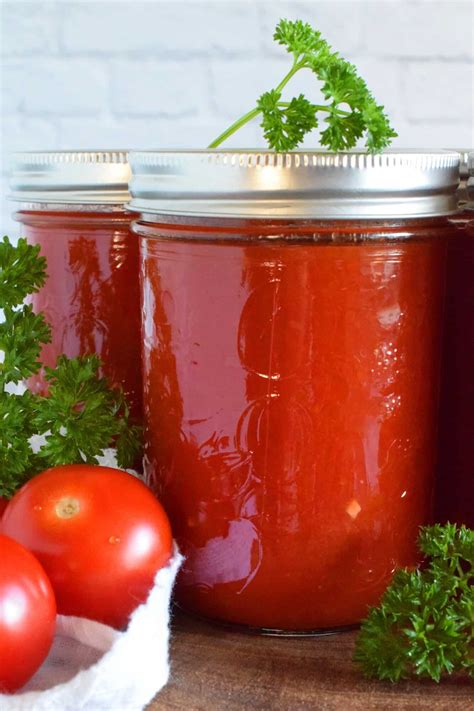
Spicy Tomato & Basil Sauce
A staple for any pantry, homemade tomato sauce is infinitely better than store-bought. Use ripe, juicy tomatoes from your garden, simmered down with fresh basil, garlic, and a hint of chili for a versatile sauce perfect for pasta, pizza, or shakshuka.
- Ingredients: Ripe tomatoes, fresh basil, garlic, olive oil, salt, black pepper, red pepper flakes.
- Method: Blanch and peel tomatoes, chop coarsely. Sauté garlic in olive oil, add tomatoes, basil, and seasonings. Simmer until thickened. Process in a water bath canner for 35-40 minutes for pint jars.
Zucchini Bread & Butter Pickles
If your zucchini plant is particularly prolific, these sweet and tangy pickles are a fantastic way to use them up. They make a great side dish or sandwich topping.
- Ingredients: Zucchini, onions, white vinegar, sugar, pickling salt, turmeric, mustard seeds, celery seeds.
- Method: Slice zucchini and onions thinly, layer with salt, and let sit. Drain liquid. Prepare brine by combining vinegar, sugar, and spices. Pack zucchini into jars, cover with hot brine, and process in a water bath canner for 10-15 minutes.
Freezing: Simplicity and Speed
Freezing is arguably the easiest and quickest way to preserve most vegetables while retaining their texture and nutritional value. Blanching before freezing is key for many vegetables to halt enzyme action and preserve color and flavor.
Blanched Green Beans
Freshly picked green beans freeze beautifully and taste much better than store-bought frozen varieties.
- Ingredients: Fresh green beans.
- Method: Trim and wash beans. Blanch in boiling water for 2-3 minutes, then immediately plunge into an ice bath to stop cooking. Drain thoroughly, pat dry, and pack into freezer-safe bags or containers.
Freezing Roasted Bell Peppers
Roasted bell peppers add a smoky sweetness to many dishes. Freezing them after roasting means quick additions to future meals.
- Ingredients: Bell peppers (any color), olive oil.
- Method: Halve and deseed peppers, toss with a little olive oil. Roast at 400°F (200°C) until skin is blistered and charred. Place in a bowl and cover tightly for 15-20 minutes to steam. Peel off skins, slice, and freeze in a single layer before transferring to freezer bags.

Pickling: Tangy and Flavorful
Pickling uses vinegar, salt, and spices to preserve vegetables, imparting a distinctive tangy flavor. Beyond cucumbers, almost any firm vegetable can be pickled.
Dilly Beans
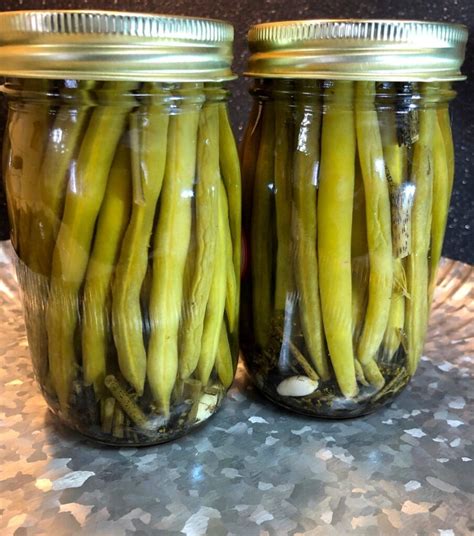
A fantastic alternative to cucumber pickles, dilly beans are crisp, garlicky, and herbaceous.
- Ingredients: Green beans, white vinegar, water, pickling salt, garlic cloves, dill heads or fresh dill, mustard seeds.
- Method: Trim beans to fit jars. Prepare brine with vinegar, water, and salt. Pack jars with beans, garlic, and dill. Pour hot brine over, leaving ½ inch headspace. Process in a water bath canner for 10 minutes.
Quick Pickled Radishes
These are not for long-term storage but are excellent for adding a tangy crunch to salads and tacos within a few weeks.
- Ingredients: Radishes, white vinegar, water, sugar, salt, peppercorns, bay leaf.
- Method: Thinly slice radishes. Heat vinegar, water, sugar, salt, and spices until sugar dissolves. Pack radishes into a clean jar and pour hot brine over them. Cool and refrigerate.
Dehydrating: Concentrated Flavors
Dehydrating removes moisture, concentrating flavors and making vegetables lightweight and shelf-stable. A dehydrator or a low oven can be used.
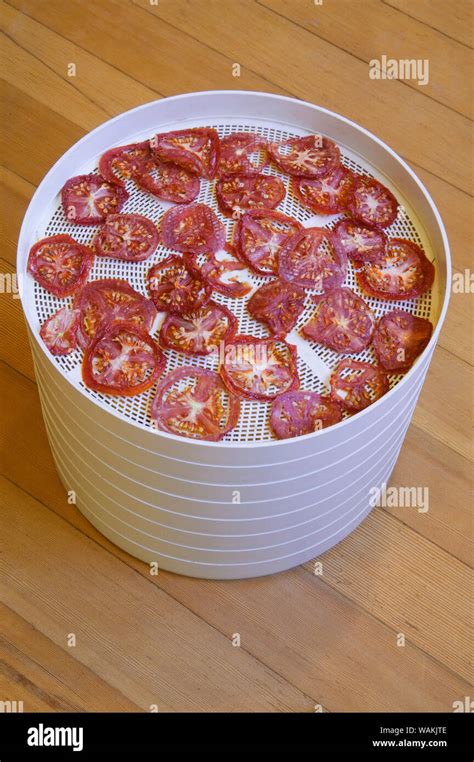
Sun-Dried Tomatoes (Oven Method)
While traditional sun-drying takes time, an oven can achieve a similar result, perfect for adding intense tomato flavor to dishes.
- Ingredients: Roma tomatoes, olive oil, dried herbs (optional).
- Method: Slice tomatoes ¼ inch thick. Place on parchment-lined baking sheets. Bake at 200°F (95°C) for 6-10 hours, flipping occasionally, until leathery but still pliable. Store in airtight containers or submerged in olive oil.
Fermenting: Probiotic Powerhouses
Fermentation is an ancient preservation technique that enhances flavor and creates beneficial probiotics. It typically involves submerging vegetables in a saltwater brine.
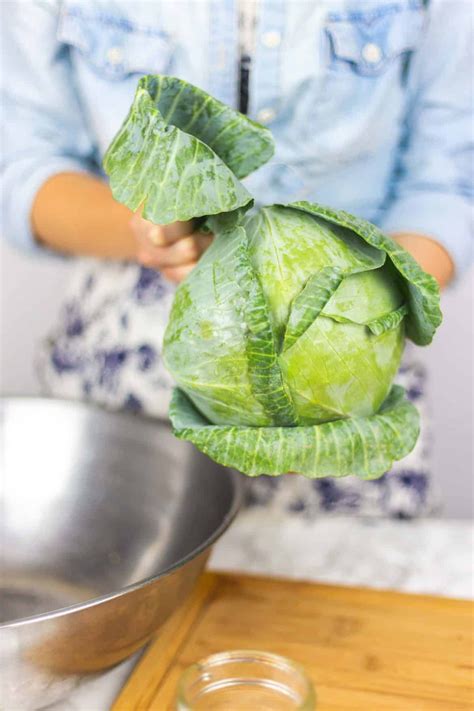
Homemade Sauerkraut
A simple recipe that transforms cabbage into a tangy, gut-healthy condiment.
- Ingredients: Green cabbage, non-iodized salt.
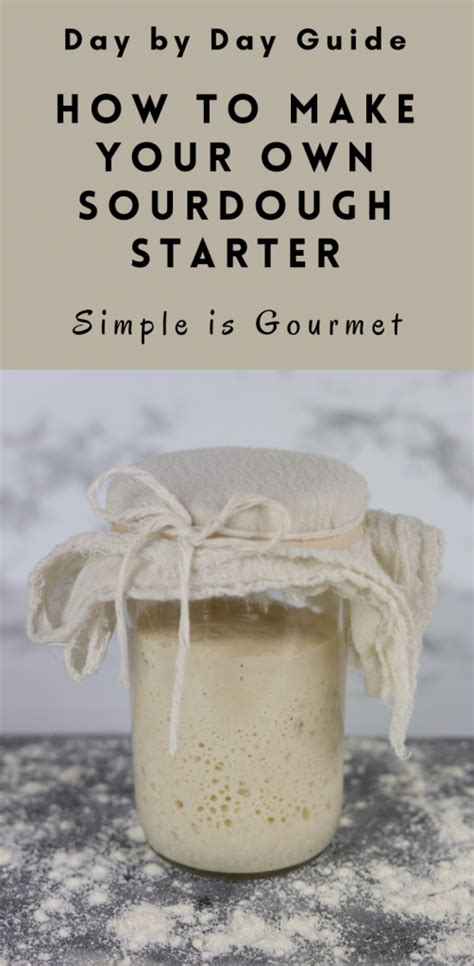
- Method: Shred cabbage finely, massage with salt until it releases liquid. Pack tightly into a clean jar, ensuring cabbage is submerged in its own brine. Use a weight to keep it submerged. Cover loosely and ferment at room temperature for 1-4 weeks, then refrigerate.
Enjoying Your Hard Work All Year Round
Preserving your garden’s bounty is a rewarding endeavor that connects you more deeply to your food source. By utilizing these methods and recipes, you can enjoy the peak flavors of seasonal vegetables long after they’ve been harvested. Experiment with different spices and techniques to find your family’s favorite preserved treats. Happy preserving!