What are common sourdough starter issues & how to fix them for reliable country baking?

The Heartbeat of Country Baking: Nurturing Your Sourdough Starter
Sourdough baking is a cornerstone of country living, connecting us to traditional methods and delivering incomparable flavor and texture. At the heart of every rustic loaf lies a vibrant sourdough starter – a living ecosystem of wild yeasts and bacteria. While immensely rewarding, maintaining a healthy starter can sometimes present challenges. Don’t let common issues deter you; understanding what’s happening and how to fix it will empower you to consistently bake beautiful, wholesome bread.
Understanding Your Starter’s Signals: Common Issues & Practical Solutions
1. Inactive or Sluggish Starter: No Bubbles, No Rise
You’ve fed your starter, but it just sits there, looking flat and lifeless. This is a common concern for new and experienced bakers alike.
The Problem:
- Insufficient Food: Not enough flour and water to sustain the yeast and bacteria.
- Too Cold: Yeast activity slows significantly in cooler temperatures.
- Old/Weak Flour: Flour lacking in natural nutrients or enzymes to kickstart fermentation.
- Infrequent Feeding: Starters need regular meals to stay strong.
The Fix:
Increase feeding frequency and ratio. Try a 1:2:2 ratio (1 part starter, 2 parts water, 2 parts flour) every 12 hours. Move your starter to a warmer spot (75-80°F or 24-27°C is ideal). Use fresh, unbleached bread flour or a good quality whole wheat flour for a boost. Ensure your water is chlorine-free.

2. The Dreaded “Hooch”: Dark Liquid on Top
A layer of dark, often grey or brownish liquid forming on top of your starter is known as “hooch.”
The Problem:
- Extreme Hunger: Hooch signals your starter has consumed all available food and is crying out for more. Darker hooch indicates severe hunger.
The Fix:
While some bakers stir the hooch back in for a tangier flavor, it’s generally best to pour it off, then feed your starter immediately. If hooch appears frequently, increase your feeding ratio (e.g., to 1:3:3) or feed more often. A thick, clear hooch is usually less concerning than a dark, murky one.
3. Mold or Discoloration: The Ultimate Warning Sign
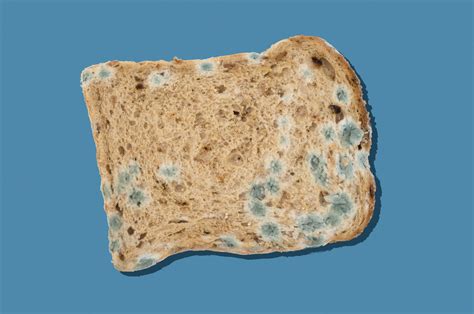
Fuzzy spots, bright colors (pink, orange, green, black), or a really foul, rotten smell are serious indicators.
The Problem:
- Contamination: Airborne mold spores, uncleaned jars, or dirty utensils can introduce unwanted organisms.
- Lack of Acidity: A weak starter might not be acidic enough to inhibit mold growth.
The Fix:
If you see fuzzy, colored mold, discard the entire starter immediately and sanitize everything. It’s safer to start fresh. Distinguish mold from “Kahm yeast,” which is usually a thin, white film that looks like dry skin and doesn’t have fuzz; Kahm yeast can be scraped off, and the starter might be saved with more frequent feeding. When in doubt, throw it out.
4. Sour or “Off” Smell: More Than Just Tangy
While sourdough should smell pleasantly tangy, a truly repulsive or acetone-like (nail polish remover) smell indicates an imbalance.
The Problem:
- Too Much Acetic Acid: The bacteria producing acetic acid are overpowering the lactic acid bacteria and yeasts. This often happens when a starter is hungry for too long in a cool environment.
The Fix:
Increase feeding frequency and discard more of your starter before each feed (e.g., discard 80-90% and feed the remainder with a 1:2:2 or 1:3:3 ratio). Moving it to a slightly warmer spot can encourage yeast activity, which produces more pleasant lactic acid. Ensure your jar is clean and allows some air exchange.

5. Weak Bakes: Lack of Rise or Oven Spring
Your starter looks active, but your bread consistently falls flat or doesn’t develop a good open crumb.
The Problem:
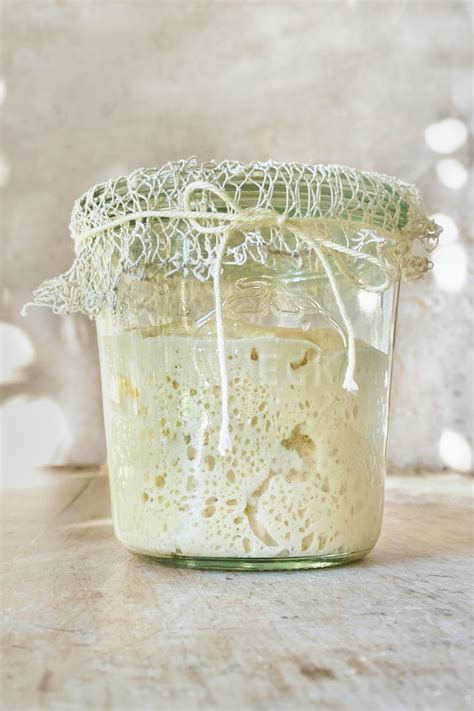
- Underproofed Starter: Using your starter before it has reached its peak activity (usually when it has doubled or tripled in size and is full of bubbles, just before it starts to fall).
- Overall Weakness: Your starter might not have the strength to lift a heavy dough consistently.
The Fix:
Always use your starter at its peak. Feed it, wait for it to double/triple, and then use it. If it’s still weak, strengthen it with a few days of consistent, frequent feeding at optimal temperatures. Consider a small amount of whole grain flour in your feeds for extra nutrients. A “float test” (a small dollop floats in water) can indicate readiness, but visual cues are often more reliable.
General Maintenance Tips for a Happy Starter
- Consistency is Key: Feed on a regular schedule.
- Temperature Matters: Aim for 75-80°F (24-27°C) for optimal activity.
- Cleanliness: Use clean jars and utensils to prevent contamination.
- Quality Ingredients: Use good quality, unbleached flour and chlorine-free water.
- Trust Your Senses: Learn to recognize the healthy smell and appearance of your active starter.

Embrace the Sourdough Journey
Maintaining a sourdough starter is a journey of learning and adaptation. Each starter has its own personality, influenced by your environment and care. By understanding these common issues and implementing the fixes, you’ll build confidence and cultivate a robust, reliable starter. This resilience will translate into consistently delicious, naturally leavened bread, bringing the authentic taste of country living right to your kitchen.