
What are easy methods for preserving garden surplus without canning?

Beyond the Jar: Simple Ways to Keep Your Harvest Fresh
As summer peaks and your garden overflows, the joy of a successful harvest can quickly turn into a race against spoilage. While canning is a time-honored tradition, it’s not the only way to preserve your bounty. For those seeking less intensive or equipment-heavy options, a wealth of easy methods exists to extend the life of your produce, ensuring you enjoy your homegrown goodness long after the season ends.
These alternative preservation techniques are often less demanding on time and specialized equipment, making them accessible to gardeners of all experience levels. From the instant gratification of freezing to the slow magic of fermentation, embracing these methods can transform your surplus into year-round staples.
Freezing: The Quick & Easy Option
Freezing is arguably the simplest and most widely used method for preserving fruits and vegetables. It requires minimal preparation for many items and is excellent for maintaining nutritional value and flavor. Berries, sliced peaches, corn kernels, peas, and blanched green beans all freeze beautifully.
For most vegetables, blanching (briefly boiling, then plunging into ice water) is crucial before freezing. This stops enzyme action that can lead to loss of flavor, color, and texture. After blanching, ensure produce is thoroughly dry, then spread it in a single layer on a baking sheet to flash freeze. Once solid, transfer to airtight freezer bags or containers, squeezing out as much air as possible to prevent freezer burn.

Drying and Dehydrating: Concentrating Flavor
Drying removes moisture, inhibiting microbial growth and concentrating the natural flavors of your produce. This method is fantastic for herbs, fruit leathers, sliced apples, pears, tomatoes, and even some peppers. You can use a dedicated food dehydrator, your oven on its lowest setting, or even sun-dry in hot, dry climates.
For best results, slice fruits and vegetables uniformly to ensure even drying. Herbs can be tied in bundles and hung in a well-ventilated, dry area. Once thoroughly dry, store in airtight containers away from direct light and heat.
Fermentation: Cultivating Deliciousness
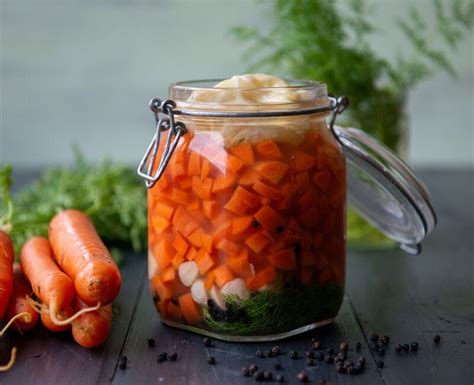
Fermentation is an ancient preservation technique that not only extends shelf life but also enhances flavor and nutritional benefits by creating beneficial probiotics. This method involves using salt and sometimes water to create an anaerobic environment where beneficial bacteria thrive, transforming vegetables into tangy, gut-healthy foods like sauerkraut, kimchi, and lacto-fermented pickles.
The process is surprisingly simple: clean vegetables, salt, water (for brines), and a clean jar. Once fermented to your liking, move the jars to the refrigerator, where the cool temperatures slow down the fermentation process, keeping them fresh for months.
Root Cellaring & Cool Storage: Nature’s Refrigerator
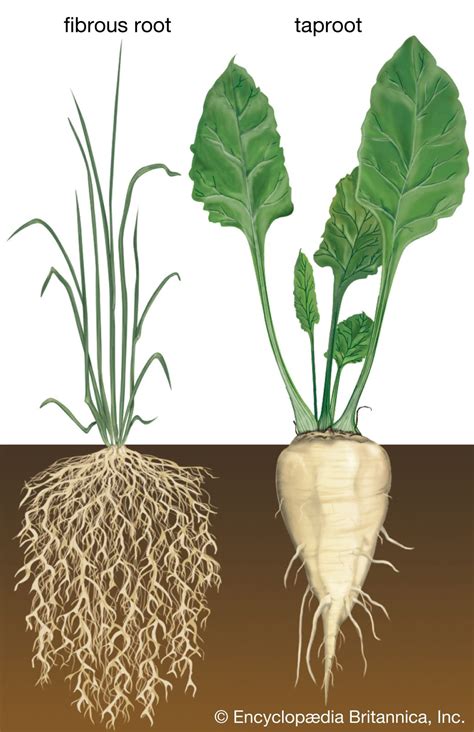
If you have access to a cool, dark, and moderately humid space (like a basement, unheated garage, or even an insulated outdoor bin), you have the perfect conditions for root cellaring. This method is ideal for crops that store well naturally, such as potatoes, carrots, beets, parsnips, onions, garlic, winter squash, and apples.
Proper ventilation and consistent temperature are key. Store produce in bins, crates, or even layers of sand or sawdust to maintain humidity and prevent shriveling. Regularly check stored items and remove any that show signs of spoilage to prevent it from spreading.
Oil, Vinegar, and Sugar Methods (Short-Term & Specialty)
While not for long-term pantry storage without refrigeration, certain methods using oil, vinegar, or sugar are fantastic for enjoying fresh flavors for weeks or months. Herb-infused oils (like basil or oregano oil) must be refrigerated and used within a few weeks due to botulism risk. Flavored vinegars (e.g., raspberry vinegar) have a longer shelf life.
Refrigerator jams and jellies, made with less sugar than traditional recipes and stored in the fridge, are a delightful way to preserve fruit for a shorter period. Pesto, pureed sauces, or herb pastes can be made in batches and frozen in ice cube trays, providing convenient portions for future meals.
Enjoying Your Bountiful Harvest All Year
Preserving your garden’s surplus doesn’t have to be an intimidating task. By exploring these easy, no-canning methods, you can significantly extend the life of your harvest, reduce waste, and enjoy the taste of fresh, homegrown produce throughout the year. Experiment with different techniques to find what works best for your crops and lifestyle, transforming your garden’s bounty into a pantry full of delicious possibilities.