
What are easy, natural ways to deter garden slugs from my organic greens?

Garden slugs can be a frustrating menace, turning your prized organic greens into a lacey, unappetizing mess overnight. For gardeners committed to chemical-free cultivation, finding effective yet natural deterrents is key. Fortunately, a variety of easy and humane strategies can help keep these slimy invaders away from your delicious produce without resorting to harmful chemicals.
Understanding Slug Behavior
Before diving into deterrents, it helps to understand what attracts slugs. They thrive in damp, cool environments and are most active at night or on overcast days. They are particularly drawn to tender, young plants, especially leafy greens like lettuce, spinach, and hostas, making your organic vegetable patch an irresistible buffet.
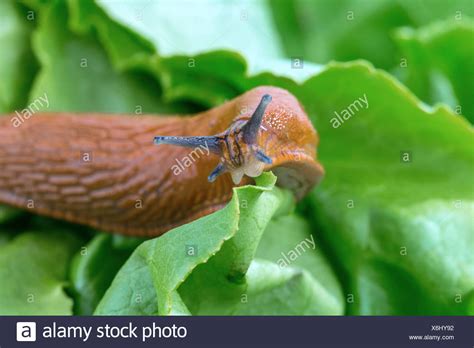
Create Physical Barriers and Uninviting Surfaces
One of the most straightforward ways to protect your plants is to create obstacles slugs won’t want to cross:
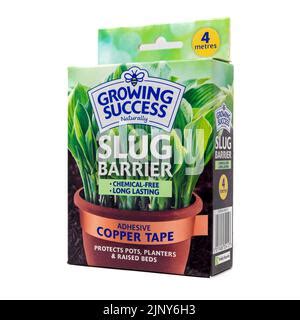
- Copper Tape: Slugs experience a mild electric shock or unpleasant sensation when they cross copper. Apply self-adhesive copper tape around raised beds, pots, or directly on the rims of containers to create an effective barrier.
- Crushed Eggshells: The sharp edges of crushed eggshells can deter slugs, as they dislike crawling over abrasive surfaces. Sprinkle a generous ring around vulnerable plants; ensure the eggshells are thoroughly dried and finely crushed for best results.
- Diatomaceous Earth (DE): Food-grade DE is a natural, fine powder made from fossilized algae. It works by dehydrating slugs upon contact. Apply a thin, continuous barrier around plants, but be aware that it becomes ineffective when wet and needs reapplication after rain.
- Coarse Sand or Gravel: Similar to eggshells, a layer of coarse sand or fine gravel around plants can create an uncomfortable texture for slugs to navigate, discouraging them from reaching your greens.
Set Up Traps
Traps can effectively reduce slug populations in your garden by luring them away from your plants and then capturing them:
- Beer Traps: Slugs are notoriously attracted to beer. Bury shallow containers (like old yogurt cups, tuna cans, or specialized slug traps) so their rims are level with the soil. Fill with beer (cheap lager works best). Slugs, drawn by the yeast, will fall in and drown. Check and empty these traps daily, refilling as needed.
- Grapefruit or Orange Halves: After eating the fruit, place the inverted halves on the soil near affected plants, cut-side down. Slugs will seek shelter inside during the day; simply collect the fruit with the hiding slugs and dispose of them in the morning.
Embrace Companion Planting
Some plants naturally deter slugs, while others attract their beneficial predators:
- Slug-Repelling Plants: Plant strong-smelling herbs and flowers that slugs tend to avoid. Good options include marigolds, nasturtiums (which can also act as a trap crop, attracting slugs away from your greens), garlic, chives, mint, rosemary, and sage. Plant these strategically around your vulnerable leafy vegetables.
- Attract Predators: Encourage natural slug predators like toads, ground beetles, and certain birds to your garden. Provide shallow water sources, dense ground cover, log piles, or rockeries to offer them shelter and make your garden a welcoming habitat.
Optimize Watering and Garden Hygiene
How and when you water can significantly impact slug activity, as they thrive in moist conditions:
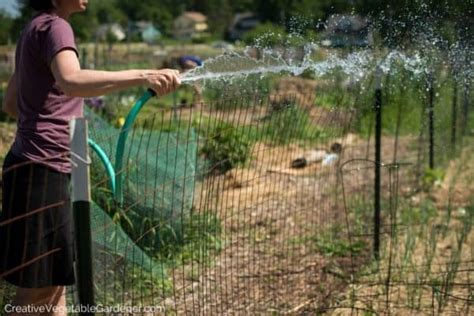
- Water in the Morning: Water deeply in the morning rather than in the evening. This allows the soil surface to dry out by nightfall, making it less appealing for nocturnal slugs.
- Improve Drainage: Ensure your garden beds have good drainage to prevent overly damp conditions where slugs love to reside.
- Remove Debris: Keep your garden tidy. Regularly remove fallen leaves, weeds, and other garden debris, as these provide ideal hiding spots and moist environments for slugs during the day. Elevate pots and containers to prevent hiding spots underneath.
Introduce Beneficial Nematodes (Advanced Natural Control)
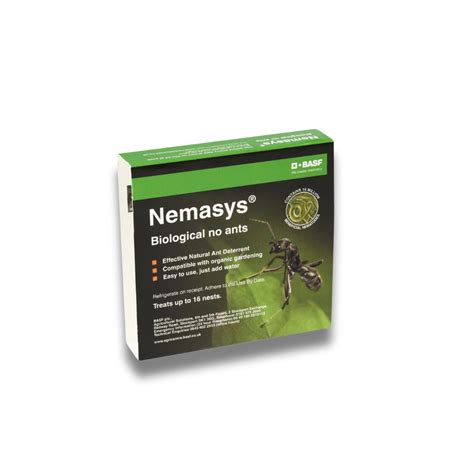
For a more targeted biological approach, consider introducing slug-specific nematodes (Phasmarhabditis hermaphrodita). These microscopic worms are safe for humans, pets, and other wildlife, but are parasitic to slugs, causing them to stop feeding and eventually die. They are typically applied by watering them into the soil, offering a long-lasting, natural control method.
Conclusion
Protecting your organic greens from slugs doesn’t require harsh chemicals. By employing a thoughtful combination of physical barriers, clever traps, strategic companion planting, smart watering habits, and encouraging natural predators, you can significantly reduce slug damage and enjoy a bountiful harvest of pristine, organic vegetables. Experiment with a few methods to find what works best for your specific garden environment and enjoy a slug-free zone for your precious produce.