
What are easy steps for starting a backyard compost pile?

Starting a backyard compost pile is one of the most rewarding and environmentally friendly projects you can undertake for your home and garden. It diverts waste from landfills, enriches your soil, and saves you money on store-bought fertilizers. The good news is, it’s not as complicated as it might seem. With a few basic principles and a little effort, you’ll be well on your way to creating nutrient-rich ‘black gold’ for your plants.
1. Choose Your Spot Wisely
The first step is to select an appropriate location for your compost pile. Ideally, it should be a spot that is easily accessible but not an eyesore, preferably partially shaded to prevent it from drying out too quickly, and near a water source for easy moistening. Ensure it’s not directly against your house or wooden structures to avoid potential moisture damage or attracting pests. A well-drained area is also beneficial.
Consider the size of your yard and the amount of organic material you anticipate composting. A simple open pile might suffice for small volumes, while a dedicated bin or tumbler could be better for larger quantities or if you prefer a neater appearance.
2. Gather Your Materials: Browns & Greens
Successful composting relies on a good balance of ‘brown’ and ‘green’ materials. Browns provide carbon and include things like dried leaves, straw, wood chips, shredded newspaper, and cardboard. Greens provide nitrogen and consist of kitchen scraps (fruit and vegetable peels, coffee grounds, tea bags), grass clippings, and fresh plant trimmings.
Aim for a ratio of roughly two to three parts browns to one part greens. This balance helps the decomposition process, prevents odors, and ensures a good texture in your finished compost.
3. What NOT to Compost
Just as important as knowing what to add is knowing what to avoid. Do not add meat, dairy products, oily foods, pet waste (especially from carnivorous animals), diseased plants, or chemically treated wood. These items can attract pests, create foul odors, spread pathogens, or introduce harmful chemicals into your compost.
Also, avoid adding invasive weeds that have gone to seed, as your compost pile might not get hot enough to kill the seeds, leading to them sprouting in your garden later.
4. Build Your Pile: The Layering Technique
Once you have your spot and materials, it’s time to build! Start with a base layer of coarse brown material (like twigs or straw) to ensure good air circulation. Then, alternate layers of greens and browns, chopping larger pieces into smaller ones to speed up decomposition. Moisten each layer as you add it – the pile should be damp like a wrung-out sponge, not soaking wet.
A good starting size for a pile is at least three feet by three feet by three feet (1 cubic meter) to help generate and retain heat, which is crucial for efficient decomposition.
5. Maintain for Success: Turn and Water
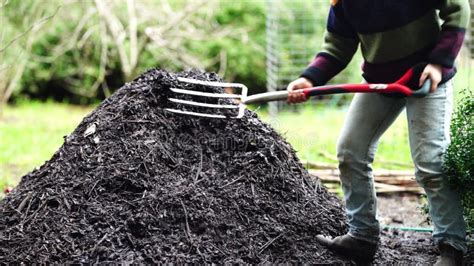
Your compost pile needs a little attention to thrive. Regularly turning the pile (once a week or every few weeks) introduces oxygen, which is vital for the microorganisms doing the work, and helps distribute moisture and heat evenly. Use a pitchfork or compost aerator for this task.
Keep an eye on the moisture level. If the pile looks dry, give it a good watering. If it seems too wet and smells putrid, add more dry brown materials and turn it thoroughly to aerate. A healthy compost pile should smell earthy and pleasant.

6. When is it Ready? Harvesting Your Black Gold
Patience is key, but the reward is worth it! Your compost is ready when it is dark brown, crumbly, and has an earthy smell. You shouldn’t be able to identify the original materials (except for perhaps a few stubborn twigs). Depending on the materials, climate, and how actively you manage it, this process can take anywhere from two months to a year.
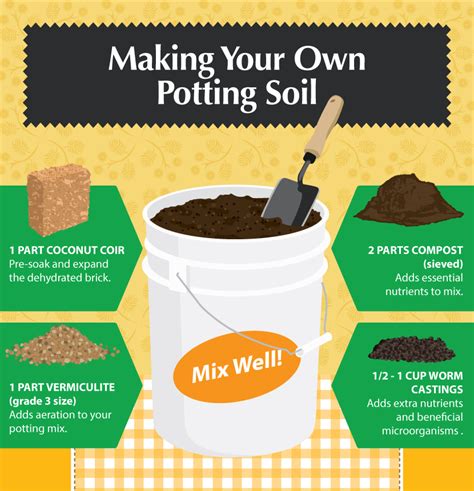
You can harvest finished compost from the bottom or sides of your pile or bin. Sift it if you want a finer product for potting mixes, or use it as is for amending garden beds, top-dressing lawns, or around the base of trees and shrubs.
Starting a backyard compost pile is a simple yet impactful way to contribute to a healthier garden and a more sustainable lifestyle. By following these easy steps, you’ll soon be enjoying the benefits of homemade, nutrient-rich compost, turning your waste into a valuable resource.