


What are easy ways to improve clay soil for a productive vegetable garden?

Understanding the Challenge of Clay Soil
Clay soil, with its tiny, flat particles, often presents a paradox: it’s rich in nutrients but struggles with drainage and aeration. When wet, it’s a sticky mess that compacts easily; when dry, it can become rock-hard. This density makes it difficult for plant roots to penetrate, for water to drain properly (leading to waterlogging), and for air to circulate, which is vital for healthy root development and beneficial soil microbes. However, with a few straightforward methods, you can significantly improve clay soil and create an incredibly productive vegetable garden.
The Cornerstone of Improvement: Organic Matter
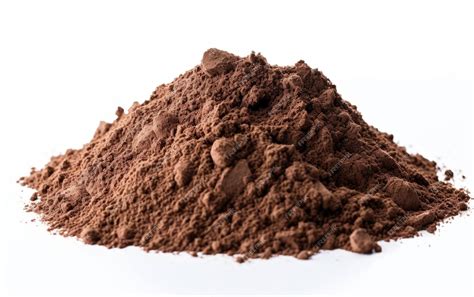
The single most effective and easiest way to improve clay soil is by consistently incorporating organic matter. Organic materials act like microscopic sponges, loosening the soil structure, creating air pockets, and improving drainage. They also enhance the soil’s ability to retain moisture during dry spells, provide a slow-release source of nutrients, and feed the essential microorganisms that contribute to overall soil health.
Top Organic Amendments for Clay Soil
Compost
What it is: Decomposed organic material, often homemade from kitchen scraps, yard waste, and other plant matter.
How it helps: Compost is the ultimate soil conditioner. It introduces a diverse range of beneficial microbes, improves soil structure, enhances drainage, and increases nutrient availability. It’s a game-changer for heavy clay soils.
Application: Apply a 2-4 inch layer of well-rotted compost over your garden beds annually, especially in the spring before planting. You can gently fork it into the top few inches of soil or simply let it sit on top in a no-dig system, where worms and other soil life will work it in for you.

Well-Rotted Manure
What it is: Decomposed animal waste (e.g., cow, horse, chicken). Ensure it is well-rotted (aged for at least 6 months to a year) to avoid burning plants with excess nitrogen and to kill weed seeds.
How it helps: Manure is rich in nutrients and organic matter, providing a powerful boost to soil fertility and structure. It’s particularly effective at breaking up heavy clay.
Application: Like compost, spread a 1-3 inch layer over your garden beds. Work it into the topsoil a few weeks before planting, or incorporate it in the fall to allow it to break down further over winter.
Cover Crops (Green Manure)
What it is: Plants grown specifically to benefit the soil, rather than for harvest. Examples include clover, vetch, oats, and buckwheat.
How it helps: Their root systems penetrate and break up compacted clay deep below the surface, improving aeration and drainage. When tilled into the soil or cut down to decompose on the surface (chop and drop), they add a significant amount of organic matter and nutrients.

Complementary Strategies for Clay Soil
Embrace Raised Beds
If your clay soil is exceptionally stubborn or you’re looking for a quicker fix, constructing raised beds can be an excellent solution. You can fill them with a custom blend of good quality topsoil, compost, and other amendments, bypassing the issues of your native clay entirely. However, remember to add organic matter to these beds annually to maintain their fertility and structure.

Consider No-Dig Gardening
Tilling can initially break up clay soil, but it can also destroy delicate soil structure and lead to further compaction over time, especially with heavy machinery. No-dig gardening involves building layers of organic matter (compost, leaves, straw, cardboard) directly on top of the soil. This approach allows soil life to naturally improve the structure, drainage, and fertility without disturbing the existing soil web.

Mindful Watering and Working Practices
- Watering: Clay soil holds water for longer, so avoid overwatering. Water deeply but less frequently, allowing the topsoil to dry slightly between waterings to encourage roots to grow deeper.
- Working the Soil: Never work clay soil when it’s very wet, as this will destroy its structure and lead to severe compaction. Wait until it’s moist but crumbly.
Patience and Persistence for Long-Term Success
Improving clay soil is not a one-time fix; it’s an ongoing process. Consistent application of organic matter over several seasons will gradually transform your dense clay into a rich, friable loam. With patience and these easy-to-implement strategies, you’ll soon enjoy the rewards of a productive and thriving vegetable garden, yielding bountiful harvests from beautifully amended soil.