


What are easy ways to preserve garden herbs for year-round cooking?

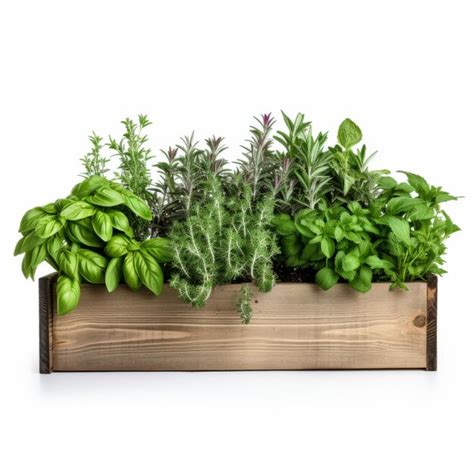
There’s nothing quite like the vibrant aroma and fresh taste of herbs picked straight from the garden. However, as seasons change, our bountiful herb patches often dwindle. The good news is that preserving your garden’s bounty is easier than you might think, allowing you to enjoy those delightful flavors in your cooking all year long. From simple drying techniques to clever freezing methods, here are several effortless ways to keep your favorite herbs ready for any dish.
Drying Herbs: The Ancient Art Revitalized
Air Drying for Aromatic Delights
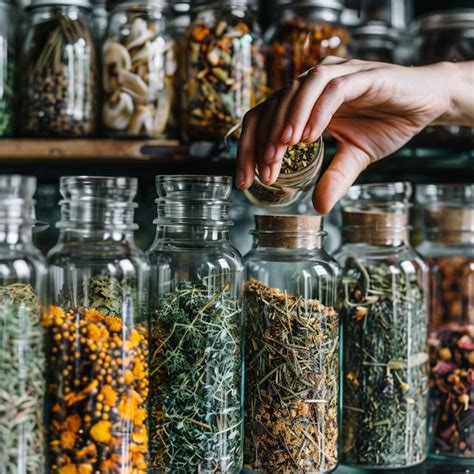
One of the oldest and simplest methods, air drying works wonderfully for herbs with lower moisture content, such as rosemary, thyme, oregano, and bay leaves. Gather small bunches of herbs, tie them at the stems, and hang them upside down in a warm, dry, well-ventilated area away from direct sunlight. A pantry, attic, or even a quiet corner of your kitchen can work. Ensure good air circulation to prevent mold. They are fully dry when the leaves crumble easily.
Oven or Dehydrator Drying for Speed
For a quicker process, especially with more delicate herbs like mint or basil, an oven or food dehydrator can be used. If using an oven, set it to the lowest temperature (usually around 100-150°F or 40-65°C) and spread the herbs in a single layer on baking sheets. Prop the oven door open slightly to allow moisture to escape. Check frequently, turning them occasionally, until brittle. A food dehydrator offers more control and is generally more efficient for drying larger quantities.
Freezing Herbs: Capturing Freshness
Herb Ice Cubes for Soups and Stews
Freezing is an excellent way to preserve the fresh flavor and vibrant color of many herbs, particularly those with a higher moisture content like parsley, cilantro, basil, and chives. A popular method is to chop the herbs finely, pack them into ice cube trays, and cover them with a little water or olive oil. Once frozen solid, pop the herb cubes out and store them in freezer bags. These ready-to-use portions are perfect for dropping directly into soups, stews, sauces, or stir-fries.
Direct Freezing for Quick Additions
Some herbs, like dill or chives, can be simply chopped and frozen directly in freezer bags or small containers. For basil, you can blanch it quickly before freezing to help retain its green color, or blend it into a pesto base before freezing. Freezing retains much of the herb’s original flavor and aromatic qualities, making it ideal for dishes where you want that ‘fresh’ taste.

Herb-Infused Oils and Vinegars
While not strictly ‘preserving’ the herb itself for cooking, infusing oils and vinegars is a fantastic way to capture and store their essence, creating flavorful condiments for dressings, marinades, and cooking. Simply add clean, dry sprigs of herbs like rosemary, thyme, or oregano to a good quality olive oil or white wine vinegar. Let them infuse in a cool, dark place for several weeks. Remember to remove the herbs after infusion to prevent spoilage, especially with oils, as improper handling can lead to botulism risk. Always store infused oils in the refrigerator and use them within a few weeks.

Creating Herb Pastes and Butters
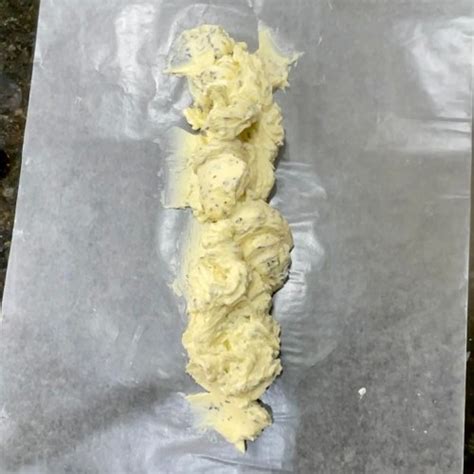
Another delightful method for preserving the intense flavor of fresh herbs is to create herb pastes or compound butters. For pastes, blend herbs like basil, parsley, or cilantro with a little olive oil, garlic, and perhaps some nuts (like in a pesto) until smooth. These can be frozen in small containers or ice cube trays. Herb butters are made by combining finely chopped herbs (e.g., chives, parsley, dill) with softened unsalted butter. Roll the butter into a log, wrap it in parchment paper or plastic wrap, and freeze. Slice off a disk as needed to melt over vegetables, steak, or spread on bread.
Conclusion
Embracing these simple preservation techniques will transform your seasonal herb garden into a year-round pantry staple. Whether you prefer the rustic charm of dried herbs, the convenience of frozen cubes, or the gourmet touch of infused oils and butters, each method offers a unique way to extend the life and flavor of your garden’s bounty. Experiment with different herbs and techniques to find what works best for your culinary needs, ensuring that fresh, vibrant flavors are always within reach.