

What are effective homemade ways to naturally preserve garden harvest?
Embracing the Bounty: Why Natural Preservation Matters
The satisfaction of harvesting fresh produce from your own garden is unparalleled, but what happens when the bounty exceeds what you can immediately consume? Rather than letting precious fruits, vegetables, and herbs go to waste, natural preservation methods offer a sustainable and rewarding solution. These homemade techniques not only extend the enjoyment of your harvest but also allow you to control ingredients, avoid artificial additives, and savor the unique flavors of your homegrown produce year-round.
From ancient practices to modern twists, preserving food naturally is a skill that connects us to our ancestors and empowers us with self-sufficiency. Let’s explore some of the most effective and accessible ways to keep your garden’s goodness lasting.
Drying: The Oldest Method for Long-Term Storage
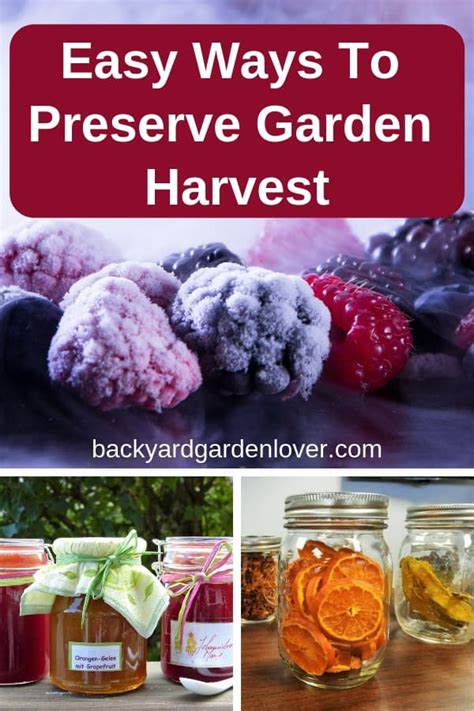
Drying is one of the simplest and most ancient forms of food preservation, effectively removing moisture to inhibit microbial growth. This method is excellent for herbs, certain fruits, and even some vegetables. Air drying works wonderfully for herbs like basil, oregano, and thyme; simply tie small bundles and hang them in a warm, dry, well-ventilated area away from direct sunlight. For fruits such as apple slices, berries, or sliced tomatoes, a food dehydrator or even a low-temperature oven can speed up the process.
Ensure items are fully dry – brittle for herbs, leathery for fruits – before storing them in airtight containers. Dried foods are lightweight, take up minimal space, and retain much of their nutritional value and intense flavor.
Freezing: Capturing Freshness at Its Peak
Freezing is arguably the easiest way to preserve the fresh taste and nutritional content of many garden vegetables and fruits. Most vegetables benefit from blanching – a quick dip in boiling water followed by an ice bath – before freezing. This process stops enzyme action that can degrade flavor, color, and nutrients over time. Peas, beans, broccoli, and corn are excellent candidates for blanching and freezing.
Fruits like berries, peaches, and cherries can often be frozen raw. Flash freezing by spreading them in a single layer on a baking sheet until solid prevents clumping, allowing you to easily portion them later. Store all frozen produce in freezer-safe bags or containers, removing as much air as possible to prevent freezer burn.

Canning and Jarring: Sealing in Flavor and Nutrients
Canning involves sealing food in jars and heating them to a temperature that destroys spoilage organisms and creates a vacuum seal. This method is ideal for high-acid foods like fruits, jams, jellies, pickles, and tomato products using a boiling water bath canner. Low-acid vegetables, meats, and mixed dishes require a pressure canner to reach higher temperatures for safe preservation, as botulism spores can thrive in low-acid, anaerobic environments. Always follow tested recipes and guidelines from reputable sources like the National Center for Home Food Preservation to ensure safety.
Pickling and Fermenting: Adding Zest and Probiotics
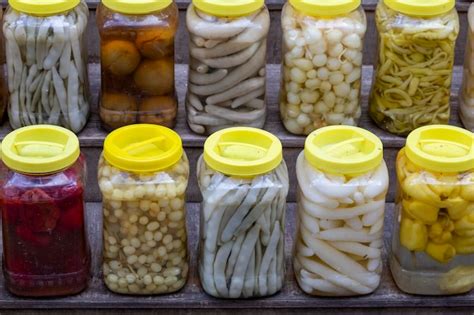
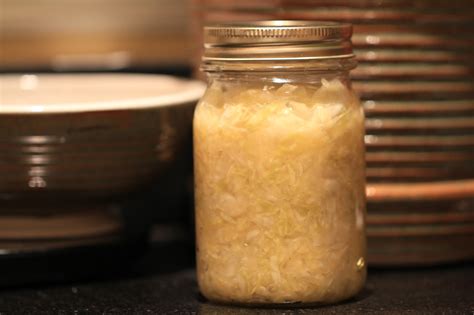
Pickling involves preserving food in an acidic solution, typically vinegar, often with spices and salt. This method yields classic dill pickles, bread and butter pickles, pickled onions, and more. Fermentation, a related but distinct process, uses beneficial bacteria (lacto-fermentation) to create lactic acid, which preserves food and adds probiotic benefits. Examples include sauerkraut, kimchi, and fermented dilly beans. Both methods enhance flavor and extend shelf life, offering a tangy, often probiotic-rich addition to your meals. Fermented foods are particularly praised for their digestive health benefits.
Root Cellaring and Cool Storage: Simple & Energy-Efficient
For certain root vegetables and fruits, a traditional root cellar or any cool, dark, and humid space (like a garage, basement, or unheated pantry) can provide excellent natural storage. Potatoes, carrots, beets, winter squash, and apples can keep for months under the right conditions. The key is consistent cool temperatures (just above freezing), high humidity to prevent shriveling, and darkness to inhibit sprouting. Proper ventilation is also important. Ensure vegetables are clean and undamaged before storing them to prevent rot from spreading.

Beyond the Basics: Other Natural Preservation Techniques
While drying, freezing, canning, pickling, and cool storage are the most common, other natural methods include oil preservation (for roasted peppers or herbs), sugaring (for candied fruits), and even salting (for beans or greens). Each method has its unique benefits and specific applications, adding to the diverse repertoire of a resourceful gardener.
Conclusion: Enjoying Your Garden’s Generosity Year-Round
Preserving your garden harvest naturally is a rewarding endeavor that extends the joy and health benefits of your hard work. By employing a combination of these homemade techniques, you can ensure a pantry and freezer stocked with wholesome, flavorful produce, minimizing waste and maximizing your connection to the food you eat. Experiment with different methods, discover your favorites, and savor the taste of your garden’s generosity throughout every season.