What are essential features for a predator-proof DIY chicken coop design?

Building a Fortress: Essential Predator-Proofing for Your DIY Chicken Coop
For any backyard chicken keeper, the safety of their flock is paramount. A well-designed DIY chicken coop isn’t just about providing shelter; it’s about creating an impenetrable fortress against common predators like raccoons, foxes, coyotes, hawks, and even domestic dogs. When embarking on your coop construction, integrating specific predator-proofing features from the outset will save you heartache and ensure your feathered friends remain secure.
1. A Solid and Impenetrable Foundation
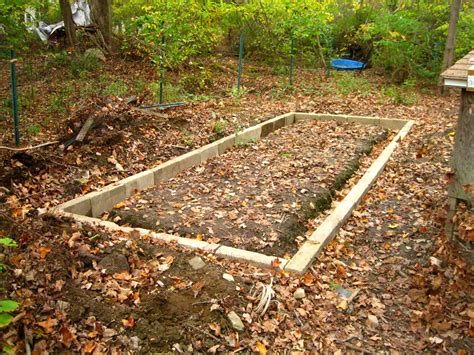
The first line of defense begins from the ground up. Predators are notorious diggers. To prevent them from tunneling under your coop, you need a robust foundation. Options include:
- Elevated Coops: Raising the coop off the ground makes it harder for digging predators to gain access. Ensure the legs are sturdy and consider burying hardware cloth around the perimeter if the space underneath is accessible.
- Hardware Cloth Skirt: Burying a horizontal 12-18 inch wide hardware cloth apron (often called a ‘skirt’ or ‘apron’) around the entire perimeter of the coop, folded outwards, will deter digging animals. When they hit the buried mesh, they’ll give up.
- Concrete Slab: The most secure option is building your coop on a concrete slab, which completely eliminates digging threats. Ensure the slab extends slightly beyond the coop walls.
2. Heavy-Duty Hardware Cloth, Not Chicken Wire
This is perhaps the most critical distinction. Chicken wire (also known as poultry netting) is designed to keep chickens in, not predators out. Its thin gauge and large openings make it easy for predators to chew through, tear, or reach through to grab a bird.
- Hardware Cloth: Opt for 1/2 inch or 1/4 inch galvanized hardware cloth. This material is much stronger, the openings are too small for most predators to reach through, and it’s highly resistant to chewing.
- Secure Attachment: Attach hardware cloth securely with heavy-duty staples or screws and washers every 4-6 inches. Ensure there are no gaps or loose sections.
3. Fortified Doors and Latches
Doors are common entry points. A simple hook-and-eye latch is insufficient. Raccoons, in particular, are incredibly dexterous and can manipulate simple latches.
- Multiple Latches: Use at least two heavy-duty latches (e.g., barrel bolts, strong gate latches with a carabiner clip) on each door, placed high and low. Consider spring-loaded latches that are harder to open.
- Inward Swinging Doors: If possible, design doors to swing inward. This makes it harder for a predator to push or pull them open.
- Solid Construction: Ensure doors fit snugly within their frames, leaving no gaps for predators to squeeze through or pry open.
4. Secure Ventilation and Windows
While good ventilation is essential for your flock’s health, any opening can be a vulnerability.
- Hardware Cloth Covers: All ventilation openings and windows must be covered with 1/2 inch or 1/4 inch hardware cloth, securely fastened. Do not use flimsy screen material.
- Window Security: If you have operable windows, ensure they can be securely latched or bolted shut, in addition to the hardware cloth barrier.

5. Robust Roofing
While less common, some predators (like climbing raccoons or aerial predators if your run is open) can access a coop from above. Ensure your roof is sturdy and without vulnerabilities.
- Solid Materials: Use solid roofing materials like corrugated metal, asphalt shingles, or durable polycarbonate panels.
- No Gaps: Ensure the roof is securely attached to the walls, with no gaps where predators could squeeze in or where rain could leak.

6. Consider Additional Deterrents
While not part of the primary structural design, these can offer an extra layer of protection:
- Motion-Sensor Lights: Bright lights can startle nocturnal predators.
- Electric Fence: A low-voltage electric fence around the perimeter can be highly effective, particularly against persistent diggers and climbers.
- Automatic Door Closers: These devices can automatically close and lock the coop door at dusk and open it at dawn, removing human error from the equation.
7. Integrating a Secure Run
If your chickens have an attached run, it must be as predator-proof as the coop itself.
- Fully Enclosed: The run should be completely enclosed on all sides, including the top, with hardware cloth.
- Digging Prevention: Extend the hardware cloth apron around the run’s perimeter as well.
- Secure Connection: Ensure the run is securely attached to the coop with no gaps at the connection point.
Designing a predator-proof DIY chicken coop requires attention to detail and a proactive mindset. By incorporating these essential features into your plans, you’ll create a safe and secure home for your flock, allowing both you and your chickens to rest easy.