What are essential pantry staples to make from scratch for country living?
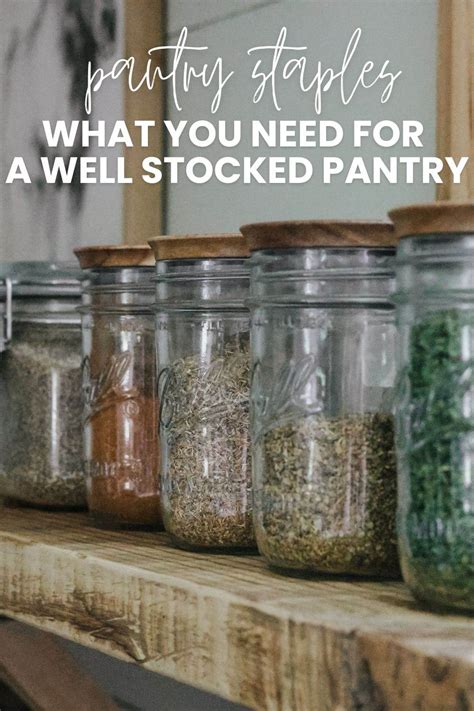
For those embracing the serene rhythms of country living, the pantry isn’t just a storage space; it’s the heart of self-sufficiency and culinary independence. Making your pantry staples from scratch not only ensures you have control over ingredients and quality but also fosters a deeper connection to your food and a greater sense of resilience. Beyond the financial savings, the rich flavors and nutritional benefits of homemade goods are simply unparalleled. Let’s explore the essential staples every country kitchen should consider making from scratch.
The Advantages of a Scratch-Made Pantry
Opting for homemade over store-bought offers a multitude of benefits, especially in a rural setting where access to specialized ingredients or a quick trip to the grocery store might be less convenient. You dictate what goes into your food, avoiding unwanted preservatives, artificial colors, and excessive sugars. This control is invaluable for health-conscious living and catering to specific dietary needs.
Furthermore, the act of making food from scratch is a foundational skill for homesteading. It’s about preparedness, knowing you can sustain your household with basic ingredients and traditional methods, even when external supplies are limited. This self-reliance brings a profound sense of security and satisfaction.
Baking Basics: The Foundation of Any Homestead Kitchen
Sourdough Starter & Bread
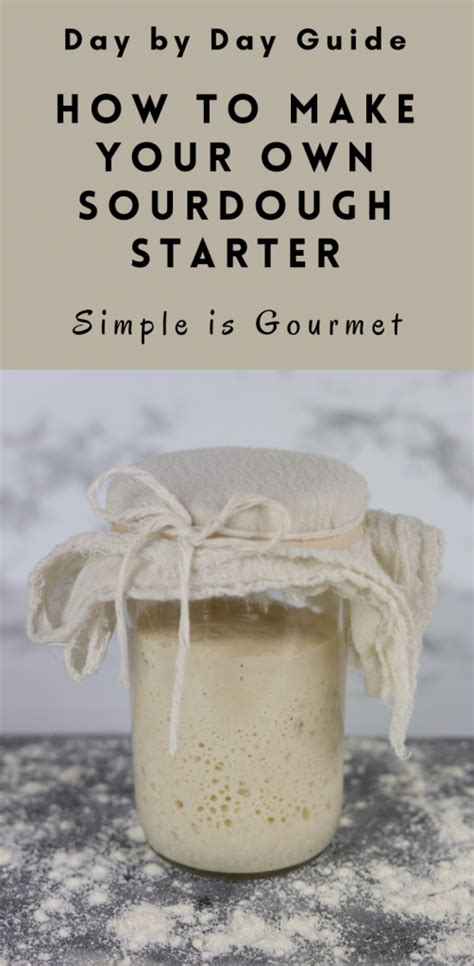
A vibrant sourdough starter is a living testament to your kitchen’s vitality. Once established, it provides an endless supply of delicious, gut-friendly bread, pizza dough, and even pancakes. Sourdough bread, with its characteristic tang and chewy crumb, is a cornerstone of many country tables and is surprisingly forgiving once you get the hang of it.
Crackers & Tortillas
Simple flour, water, and fat can transform into a variety of flatbreads. Homemade crackers are perfect with cheese or dips, offering a crisp texture and customizable flavors. Fresh tortillas, whether corn or flour, elevate any taco night or become quick wraps for leftovers, far superior to their store-bought counterparts.
Preserving the Harvest: Jams, Pickles, and Canned Goods
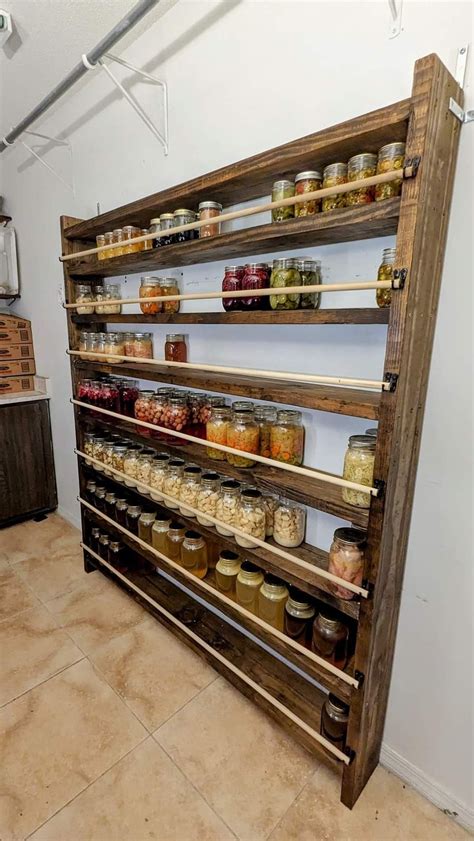
Country living often goes hand-in-hand with gardening. Making jams, jellies, and pickles is a beautiful way to capture the seasonal bounty and enjoy it year-round. This skill set is invaluable for food security and reducing waste.
Fruit Preserves (Jams, Jellies, & Fruit Butters)
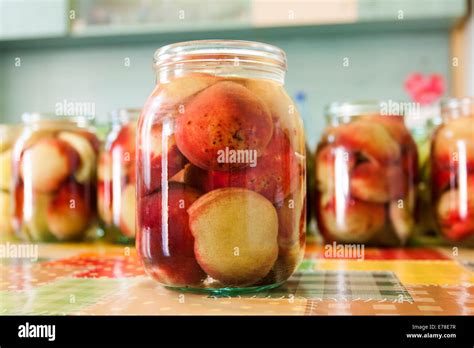
From berry jams in summer to apple butter in fall, preserving fruits extends their deliciousness. These can be simple cooked preserves or more advanced water-bath canned varieties, perfect for toast, desserts, or gifts.
Pickled Vegetables
Cucumbers, green beans, beets, and more can all be transformed into tangy, crunchy pickles. Whether quick refrigerator pickles or shelf-stable canned versions, they add a bright zest to meals and are excellent sources of probiotics if fermented.
Dairy & Fermentation: Freshness Beyond the Store Shelf
Butter & Ghee
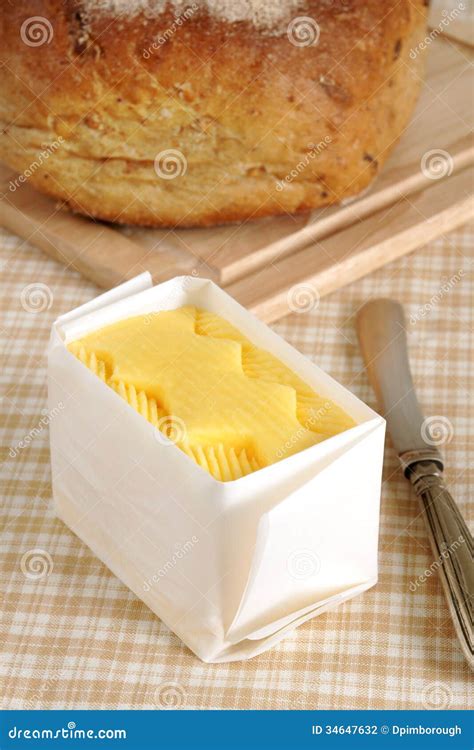
If you have access to fresh cream (perhaps from your own cow or a local dairy), making butter is a rewarding experience. The taste of freshly churned butter is incomparable. Ghee, clarified butter, offers a rich, nutty flavor and a higher smoke point, ideal for cooking.
Yogurt & Kefir
With a starter culture and milk, homemade yogurt and kefir are incredibly easy to make. They are packed with probiotics, support gut health, and can be customized with fruits, honey, or granola for a wholesome breakfast or snack.
Cultured Vegetables (Sauerkraut, Kimchi)
Fermenting vegetables like cabbage for sauerkraut or a mix for kimchi is a traditional preservation method that boosts nutrition and flavor. These vibrant condiments are a powerful addition to any diet and require minimal equipment.
Sauces, Condiments, and Flavor Boosters
Broths & Stocks
Save vegetable scraps and animal bones to create rich, flavorful broths and stocks. These are the foundation of countless soups, stews, and sauces, adding depth and nutrition that packaged versions simply can’t match. They can be frozen or canned for future use.
Ketchup & Mustard
Store-bought condiments often contain high fructose corn syrup and artificial ingredients. Crafting your own ketchup and mustard allows you to control the sugar, spice, and quality of ingredients, resulting in healthier and more flavorful options.
Salad Dressings & Mayonnaise
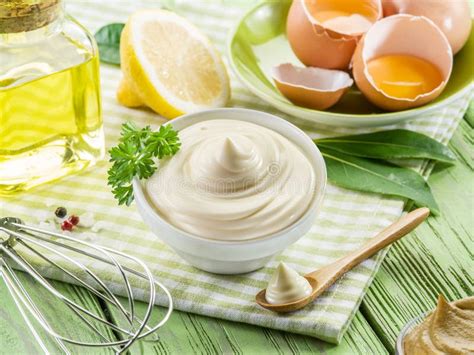
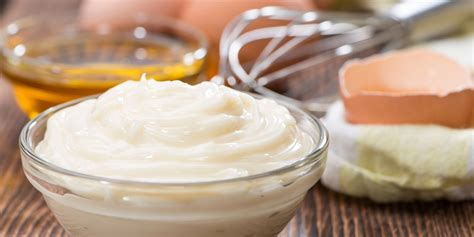
A good vinaigrette is a basic skill, transforming simple greens into a gourmet experience. Homemade mayonnaise, though it requires a bit of technique, is far superior in taste and texture to anything from a jar and serves as a base for many other creamy dressings and sauces.
Beyond the Basics: Other Essential Staples
Dried Herbs & Spice Blends
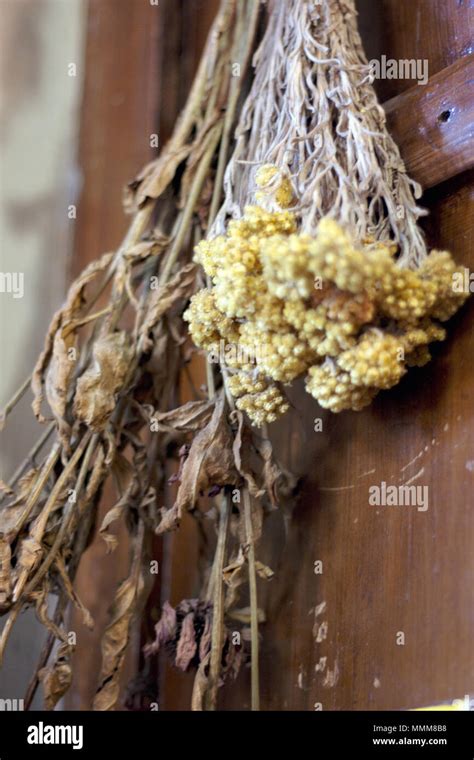
Grow your own herbs and dry them for an abundant, fragrant supply. Creating your own spice blends, like Italian seasoning or chili powder, allows for freshness and customization unmatched by pre-made mixes.
Pasta
While a bit more time-consuming, making fresh pasta is a delightful culinary adventure. Simple egg pasta dough can be cut into various shapes, offering a tender texture that pairs wonderfully with homemade sauces.
Beans & Legumes
Buying dried beans in bulk and cooking them from scratch is significantly more economical and often yields a better texture than canned varieties. They can then be frozen in portions for quick meals.
Getting Started: Tips for the Aspiring Homestead Cook
Don’t feel overwhelmed by the vast world of scratch cooking. Start small. Pick one or two items that you use frequently and commit to mastering them. Perhaps begin with bread or a simple jam. Once you gain confidence, gradually expand your repertoire. The journey of making your own staples is a continuous learning process, full of delicious discoveries.
Invest in basic kitchen tools, a good cookbook on preserving, and reliable resources. Most importantly, embrace the process. There will be flops, but each attempt teaches you valuable lessons. The satisfaction of a well-stocked pantry, filled with goods made by your own hands, is an incredibly rewarding aspect of country living.
Conclusion
Making pantry staples from scratch is more than just cooking; it’s a lifestyle choice that enriches country living with flavor, self-sufficiency, and a deep appreciation for food. It empowers you to eat healthier, save money, and build a resilient household. So roll up your sleeves, gather your ingredients, and begin the delicious journey of creating your own essential pantry.