What are essential ‘real food’ homemade staples for a self-sufficient country kitchen?

Embracing a self-sufficient lifestyle, especially in a country setting, often begins in the kitchen. Moving beyond store-bought processed items and focusing on ‘real food’ homemade staples not only enhances flavor and nutrition but also builds resilience and connects you more deeply with your food source. A well-stocked country kitchen relies on a foundation of versatile, made-from-scratch ingredients that can be transformed into countless meals. Let’s explore the essentials that form the backbone of a truly independent culinary space.
Fermented Foundations: Gut Health and Flavor
Fermented foods are cornerstones of a traditional, self-sufficient diet, offering both incredible flavor and significant health benefits. They are simple to make and require minimal equipment once you get the hang of it.
Sourdough Starter & Bread: A living sourdough starter is perhaps the most iconic staple. It allows you to bake delicious, nutritious bread regularly without relying on commercial yeast. Beyond bread, a starter can be used for pancakes, pizza dough, and more.
Sauerkraut & Kimchi: Lacto-fermented vegetables like sauerkraut (fermented cabbage) and kimchi (spicy Korean fermented vegetables) are packed with probiotics. They are excellent as side dishes, in sandwiches, or added to savory meals for a tangy kick. They also serve as a fantastic way to preserve excess garden produce.

Preserving the Harvest: Jars, Jellies, and Pickles
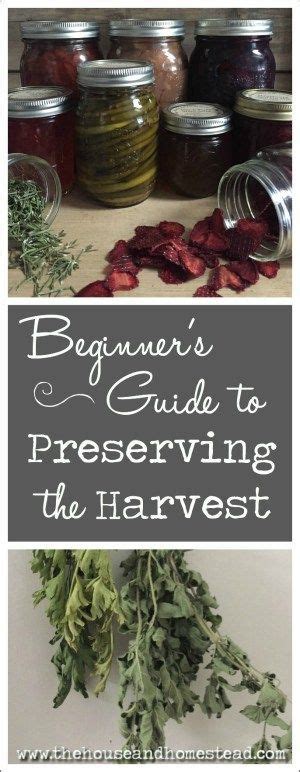
The ability to preserve food is paramount in a self-sufficient kitchen, especially when dealing with seasonal gluts from a garden or local farm. These staples ensure you have access to fresh flavors year-round.
Jams, Jellies & Fruit Butters: Transforming seasonal fruits into delectable spreads extends their usability far beyond their harvest window. Think strawberry jam, apple butter, or peach preserves – perfect for breakfasts or desserts.
Pickled Vegetables: Beyond cucumbers, almost any vegetable can be pickled. Green beans, carrots, beets, and onions make fantastic pickles, adding a vibrant acidity and crunch to your pantry offerings.
Canned Goods (Soups, Sauces, Vegetables): For those with a pressure canner, preserving hearty soups, tomato sauces, and plain vegetables is a game-changer. Imagine pulling a jar of homemade tomato sauce or green beans from your shelf in the middle of winter.

Dairy Delights and Essential Fats
If you have access to raw milk (from a cow, goat, or sheep), the possibilities for homemade dairy products are vast and incredibly rewarding.
Butter: Churning your own butter from cream is surprisingly simple and yields a product far superior to most store-bought varieties. The leftover buttermilk is also a valuable ingredient.
Yogurt & Kefir: Culturing your own yogurt or milk kefir provides a continuous supply of probiotic-rich dairy, perfect for breakfast, smoothies, or as a sour cream substitute.
Hard & Soft Cheeses: While more involved, making your own cheeses, from fresh mozzarella to aged cheddar, can be a deeply satisfying skill that contributes significantly to self-sufficiency.
Rendered Fats (Lard, Tallow): If you process your own animals or source fat from local butchers, rendering lard (from pork) or tallow (from beef) provides excellent, stable cooking fats for frying, baking, and even soap making.
Pantry Powerhouses: Grains, Legumes, and Broths
The dry goods section of your pantry is the foundation for countless meals. Sourcing and processing these yourself adds another layer of independence.
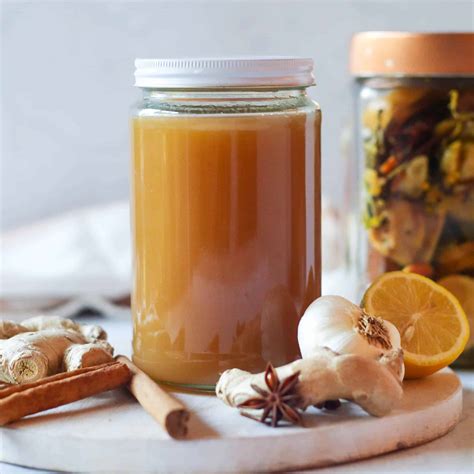
Homemade Broths/Stocks: Bone broth (from beef, chicken, or fish) is a nutrient-dense liquid gold that forms the base of soups, sauces, and stews. It’s easy to make from leftover bones and vegetable scraps.
Milled Flours & Grains: If you grow your own grains or buy them whole, a grain mill allows you to produce fresh flour on demand. Having a stock of dried beans, lentils, and other grains like oats and rice is crucial for economical and hearty meals.
Dried Herbs & Spices: Growing and drying your own herbs like oregano, thyme, rosemary, and mint ensures a fresh and potent supply of seasonings, often superior to commercially processed options.

Flavorful Finishing Touches: Condiments and Seasonings
Don’t underestimate the impact of homemade condiments. They elevate simple ingredients into extraordinary dishes and avoid hidden additives found in many commercial versions.
Herbal Vinegars & Infused Oils: Infusing vinegars with garden herbs (like basil, tarragon, or chives) or creating chili-infused oils adds gourmet touches to salads, marinades, and cooking.
Mustards & Ketchup: While more involved, making your own mustard from mustard seeds or crafting a slow-cooked ketchup from garden tomatoes gives you complete control over ingredients and flavor profiles.

Building a self-sufficient country kitchen is a journey, not a destination. Start with one or two staples that excite you and gradually expand your repertoire. Each homemade item not only reduces your reliance on external systems but also deepens your connection to your food, enhances your culinary skills, and ultimately contributes to a more resilient and flavorful lifestyle.