


What are fun ways to involve kids in garden chores & real food prep?
Involving children in the journey from seed to plate offers a wealth of benefits, from fostering a connection with nature to developing essential life skills and healthy eating habits. Rather than viewing garden chores and meal preparation as adult tasks, transforming them into enjoyable, interactive experiences can spark a lifelong love for real food and the environment. Here’s how to make it fun and educational for the whole family.
Cultivating Green Thumbs: Fun in the Garden
The garden is a living classroom, brimming with opportunities for discovery and hands-on learning. Kids are naturally curious, and channeling that energy into gardening can be incredibly rewarding. Assigning age-appropriate tasks makes them feel valued and capable.
Age-Appropriate Garden Tasks:
- Toddlers (1-3 years): Watering with a small watering can, digging in loose soil, “harvesting” large items like zucchini or pumpkins with supervision.
- Preschoolers (3-5 years): Planting large seeds (beans, peas), pulling weeds, observing insects, gentle harvesting of berries or small vegetables.
- School-Aged Kids (6-10 years): Measuring and spacing seeds, building simple trellises, composting, identifying plants and pests, more complex harvesting.
- Pre-teens & Teens (11+ years): Planning garden layouts, researching plant varieties, managing specific garden beds, constructing raised beds, advanced pest management.

Turning Chores into Games:
Gamification can transform mundane tasks into exciting adventures. Create a “weed monster” competition, where kids race to pull the most weeds, or a “treasure hunt” for ripe vegetables. Give them their own set of kid-sized tools – a mini shovel, trowel, and gloves – which instantly makes them feel like serious gardeners. Let them decorate their tools to personalize them further.
Encourage observation by providing magnifying glasses to examine soil critters or plant details. A dedicated “kid’s plot” where they can choose what to grow, from sunflowers to crazy-colored carrots, gives them ownership and boosts enthusiasm.
From Garden to Table: Enjoyable Food Prep
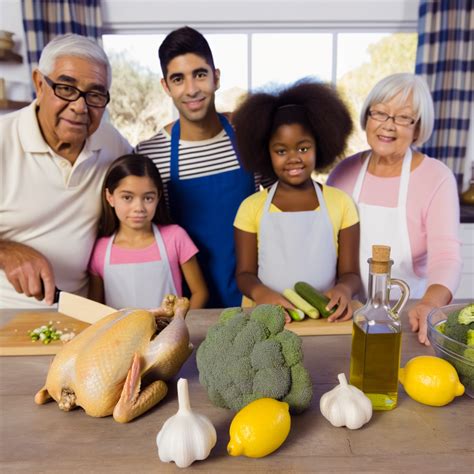
Once the harvest is in, the kitchen becomes the next stage for fun and learning. Involving children in preparing meals from scratch teaches them about ingredients, nutrition, and the joy of creating something delicious. It also significantly increases their willingness to try new foods.
Kid-Friendly Kitchen Tasks:
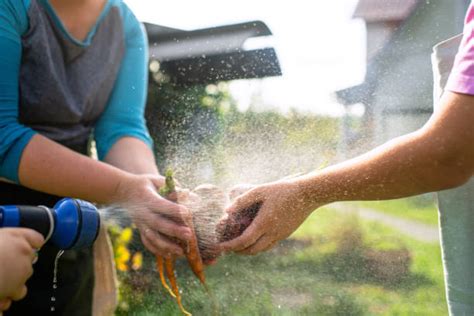
- Toddlers: Washing vegetables, stirring ingredients (in a cold bowl), tearing lettuce, mashing soft fruits/vegetables.
- Preschoolers: Spreading butter/jam, measuring dry ingredients, pouring liquids, cutting soft foods with a safety knife, kneading dough.
- School-Aged Kids: Peeling vegetables, cracking eggs, reading simple recipes, grating cheese, using a grater (with supervision).
- Pre-teens & Teens: Chopping with a sharp knife (with proper training), operating kitchen appliances, following complex recipes independently, inventing their own dishes.
Making Meal Prep Creative:
Turn cooking into an art project. Let kids arrange cut vegetables into funny faces on a pizza or create colorful fruit skewers. Experiment with different textures and tastes, encouraging them to describe what they experience. “Taste tests” are a fantastic way to introduce new ingredients – blindfold them and guess, or rate different varieties of apples or tomatoes.
Involve them in planning meals that incorporate items from the garden. If they helped grow the tomatoes, they’ll be far more excited to make and eat homemade tomato sauce. Storytelling around the origin of food – where it came from, how it grew – adds another layer of engagement.
Connecting the Dots: Garden-to-Plate Philosophy
The magic truly happens when children understand the complete cycle – how their efforts in the garden directly lead to the food on their plates. This connection fosters appreciation, reduces food waste, and builds healthier eating habits.
Harvesting & Cooking Together:
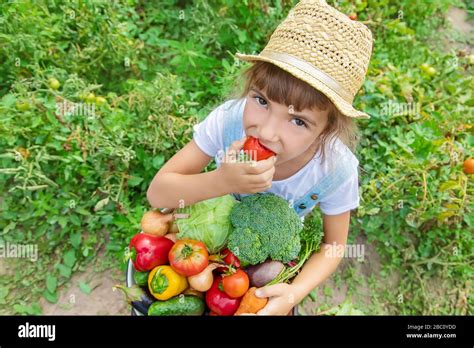
Make harvesting a celebration. Sing songs, tell stories, and marvel at nature’s bounty. Bring the harvested items directly to the kitchen and decide together what to make. Simple recipes like garden salads, vegetable stir-fries, or fruit crumbles are excellent starting points. Even making homemade pickles or jam can be a fun project that teaches about food preservation.

Beyond the Plate:
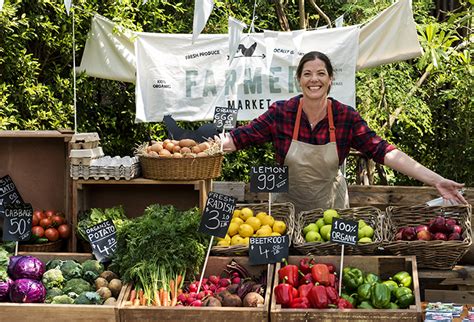
Encourage kids to share their culinary creations with family and friends. This boosts their confidence and reinforces the value of their contributions. Discuss food waste and how composting garden and kitchen scraps closes the loop, returning nutrients to the soil for future growth. Visit local farmers’ markets or pick-your-own farms to broaden their understanding of food sources.
The Lasting Impact
Involving children in garden chores and real food preparation is more than just about getting tasks done; it’s about nurturing responsibility, curiosity, and a profound respect for nature and nutrition. These hands-on experiences cultivate essential life skills, boost self-esteem, and lay the groundwork for a lifetime of healthy choices and family connection. So grab a trowel and an apron, and embark on this delicious adventure together!