What are natural pest deterrents for a productive vegetable garden?

Maintaining a vibrant and productive vegetable garden often means battling unwanted pests. While chemical solutions offer quick fixes, they can harm beneficial insects, contaminate produce, and negatively impact the environment. Fortunately, nature provides an array of clever and effective strategies to keep your leafy greens and juicy tomatoes safe.
Why Choose Natural Pest Deterrents?
Opting for natural pest control methods brings numerous benefits beyond just keeping critters away. These approaches prioritize the health of your soil, plants, and the surrounding ecosystem. They reduce exposure to harmful chemicals for you, your family, and pets, ensuring the food you harvest is as pure as possible. Moreover, natural methods often foster a more resilient garden environment, encouraging biodiversity and long-term sustainability.

Embrace Companion Planting
One of the oldest and most effective natural pest deterrents involves strategically planting certain species together. This technique, known as companion planting, leverages plants’ natural aromas, root exudates, or growth habits to protect their neighbors.
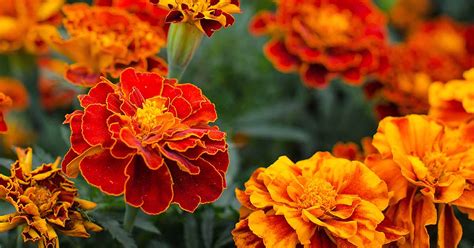
- Marigolds: French marigolds (Tagetes patula) are famous for deterring nematodes and other root-knot pests when planted near tomatoes, peppers, and potatoes.
- Nasturtiums: These cheerful flowers act as a “trap crop,” attracting aphids away from more desirable vegetables like cabbage and beans. They also deter squash bugs and cucumber beetles.
- Garlic and Onions: The strong scent of alliums repels a wide range of pests, including aphids, slugs, and onion maggots. Plant them near carrots, lettuce, and brassicas.
- Herbs: Rosemary deters carrot rust flies and slugs. Basil repels flies and mosquitoes, making it a good companion for tomatoes. Mint can deter aphids and flea beetles, but be sure to contain its aggressive spread.
Invite Beneficial Insects
Not all insects are foes! Many are valuable allies in the fight against garden pests. By creating a welcoming habitat, you can encourage beneficial insects to take up residence and do the hard work for you.
- Ladybugs: Voracious eaters of aphids, mites, and scale insects.
- Lacewings: Their larvae (aphid lions) are major predators of aphids, mealybugs, and whiteflies.
- Predatory Wasps: Tiny parasitic wasps lay their eggs inside caterpillars and aphids, effectively controlling populations.
To attract these helpful helpers, plant diverse flowers with small blooms, such as dill, fennel, cilantro, cosmos, and sweet alyssum. Avoid broad-spectrum pesticides that would harm them.
Utilize Physical Barriers
Sometimes, the simplest solution is to create a physical barrier between your plants and the pests.
- Row Covers: Lightweight, permeable fabrics placed over plants can keep out cabbage worms, squash bugs, flea beetles, and more, while still allowing light and water through.
- Netting/Fencing: Protect taller plants or entire beds from birds, rabbits, and deer.
- Copper Strips: Placing copper around raised beds or pots can deter slugs and snails.
- Sticky Traps: Yellow sticky traps can help monitor and reduce populations of whiteflies, thrips, and fungus gnats.

Whip Up Homemade Deterrents
Many common household ingredients can be repurposed into effective pest deterrents.
- Neem Oil Spray: A natural insecticide and fungicide derived from the neem tree. Mix according to package directions and spray on affected plants to disrupt insect feeding and reproduction.
- Soap Spray: Mix a few teaspoons of mild liquid soap (like castile soap) with a gallon of water. Spray directly onto soft-bodied insects like aphids, spider mites, and whiteflies. The soap breaks down their protective outer layer.
- Garlic or Pepper Spray: Blend garlic cloves or hot peppers with water, strain, and add a drop of soap. This concoction can repel a variety of chewing insects.

Implement Smart Garden Practices
A healthy garden is inherently more resistant to pests. Good horticultural practices form the foundation of natural pest management.
- Crop Rotation: Rotate crops annually to break pest and disease cycles that overwinter in the soil.
- Proper Watering: Water deeply and consistently, preferably in the morning, to avoid stressing plants and creating damp conditions conducive to fungal diseases and slugs.
- Mulching: Apply a layer of organic mulch to suppress weeds (which can harbor pests), retain moisture, and regulate soil temperature.
- Weeding: Keep weeds in check, as they compete for nutrients and can provide shelter for pests.
- Sanitation: Remove diseased or infested plant material promptly to prevent pests from spreading. Clean up fallen leaves and fruit.

Cultivating a Healthy, Pest-Free Garden
Creating a productive vegetable garden free from chemical interventions is an achievable goal with a bit of knowledge and consistent effort. By integrating companion planting, attracting beneficial insects, utilizing physical barriers, employing homemade solutions, and practicing sound garden hygiene, you can foster a resilient ecosystem where your vegetables thrive and pests are kept naturally at bay. Embrace these sustainable strategies for a healthier garden, a healthier environment, and healthier harvests.