What are natural remedies for sick backyard chickens on a country homestead?

Embracing Holistic Health for Your Homestead Flock
On a country homestead, self-sufficiency often extends to the care of our animals, including our beloved backyard chickens. While conventional veterinary medicine has its place, many homesteaders seek natural, gentle remedies for common chicken ailments, preferring to utilize resources readily available on their land or through traditional methods. Understanding how to support your flock’s health naturally not only empowers you but also fosters a resilient and thriving ecosystem.
The foundation of any good health regimen, natural or otherwise, begins with keen observation. Regular interaction with your flock allows you to spot subtle changes in behavior, appetite, or appearance that can signal illness early on. Prompt action, combined with a clean environment, fresh water, and quality feed, is often the first and most effective line of defense.

First Steps: Isolation and Supportive Care
When a chicken shows signs of illness, the immediate priority is to isolate the bird from the rest of the flock. This prevents potential spread of disease and allows you to observe the individual more closely without competition from other birds. Provide a warm, quiet, and clean space with easy access to food and water. Electrolytes, often found in poultry supply stores or made simply with molasses and salt, can be added to water to boost energy and hydration.
For mild cases of lethargy or loss of appetite, simply separating the bird and offering tempting treats like scrambled eggs (cooked, cooled, and crumbled), mealworms, or moist, soft feed can often aid recovery. Ensuring consistent access to fresh, clean water is paramount.
Herbal Allies for Common Ailments
Nature provides a wealth of medicinal plants that can be beneficial for chicken health. Here are a few common issues and their natural remedies:
Respiratory Support
- Garlic: Known for its immune-boosting and antimicrobial properties. Crush cloves and add to feed or steep in water for a potent tonic.
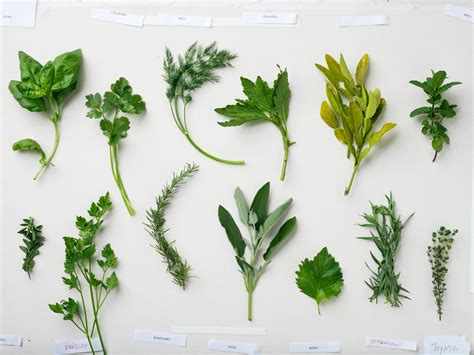
- Oregano & Thyme: These culinary herbs have strong antibacterial and antiviral properties. Fresh or dried, they can be added to feed or hung in the coop to release beneficial volatile oils.
- Eucalyptus: Hanging branches or using eucalyptus essential oil (diluted) near the coop can help clear respiratory passages, but ensure good ventilation.
Digestive Harmony
- Apple Cider Vinegar (ACV): Unpasteurized ACV with the ‘mother’ can be added to drinking water (1-2 tablespoons per gallon) to promote a healthy gut flora and lower the water pH, making it less hospitable for harmful bacteria.
- Pumpkin Seeds: Rich in nutrients, anecdotal evidence suggests pumpkin seeds can help expel internal parasites, though they are not a substitute for vet-prescribed dewormers in severe cases. Offer them raw and crushed.
- Fermented Feed: Soaking chicken feed in water for a few days to ferment it increases nutrient absorption and introduces beneficial bacteria, boosting gut health.
External Parasite Management
- Diatomaceous Earth (Food Grade): Can be dusted into dust bath areas, directly on chickens (avoiding eyes and nostrils), or mixed into feed in small amounts. It dehydrates external parasites like mites and lice.
- Herbal Dust Baths: Mixing dried herbs like mint, lavender, rosemary, or wood ash into your chickens’ dust bath area can deter pests and provide soothing relief.

Wound Care and Skin Irritations
Chickens, especially roosters or birds in an aggressive flock, can sustain minor cuts or pecks. Natural remedies can help with healing:
- Comfrey: Known as ‘knitbone,’ comfrey leaves can be crushed and applied as a poultice to minor wounds to promote healing and reduce inflammation.
- Calendula: The petals of calendula flowers have antiseptic and anti-inflammatory properties. A salve made from calendula-infused oil can be applied to minor skin irritations.
- Honey: Raw honey is a natural antibiotic and can be applied directly to clean wounds to protect against infection and speed healing.

Boosting Overall Immunity and Prevention
Prevention is always better than cure. A strong immune system makes chickens more resilient to illness. Ensure a balanced diet, ample space, and a stress-free environment. Provide access to fresh greens, sunlight, and grit. Regularly cleaning the coop, rotating pastures, and minimizing stressors are vital.
Adding nutrient-rich supplements like kelp meal (for minerals), alfalfa meal (for vitamins), and a diverse range of garden scraps can also contribute to robust health. Some homesteaders swear by ‘flock tonics’ made from various fermented herbs and vegetables to maintain general well-being.
When to Seek Professional Help
While natural remedies are incredibly valuable, it’s crucial to know their limitations. If a chicken exhibits severe symptoms (e.g., extreme lethargy, bloody droppings, paralysis, severe swelling), shows no improvement after a few days of natural care, or if multiple birds are falling ill, it’s time to consult a poultry veterinarian. Early intervention by a professional can be critical in saving a bird’s life and preventing an outbreak in your flock.

Conclusion
Caring for sick backyard chickens on a country homestead with natural remedies is a rewarding aspect of self-sufficient living. By combining keen observation, a clean environment, and the judicious use of herbal and natural supports, you can foster a healthy, resilient flock. Remember that natural care complements, rather than replaces, good husbandry practices and, when necessary, professional veterinary advice. Empower yourself with knowledge, listen to your flock, and enjoy the journey of holistic homesteading.