

What are natural, safe ways to deter common garden pests from organic vegetables?

Cultivating a Pest-Free Organic Vegetable Patch Naturally
Ensuring a bountiful harvest of organic vegetables often means going head-to-head with various garden pests. The good news is that you don’t need harsh chemicals to protect your precious produce. A healthy, vibrant garden ecosystem, combined with smart strategies, can effectively deter common invaders, allowing your vegetables to thrive naturally and safely.

Building a Resilient Garden from the Ground Up
The first line of defense against pests is a strong offense, starting with healthy soil and robust plants. Plants stressed by poor soil, inadequate water, or nutrient deficiencies are more susceptible to pest attacks. Amend your soil with compost and organic matter to create a rich environment that fosters strong root systems and resilient foliage. Proper watering and adequate sunlight also contribute significantly to plant health.
The Power of Companion Planting
One of the oldest and most effective natural pest control methods is companion planting. Certain plants, when grown near specific vegetables, can deter pests through their scent, attract beneficial insects, or even act as trap crops. For example:
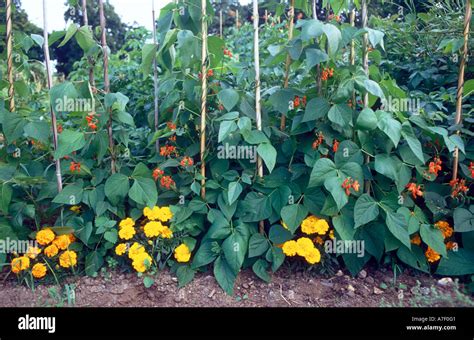
- Marigolds: Their strong scent repels nematodes and many other destructive insects. Plant them throughout your vegetable beds.
- Nasturtiums: These are excellent trap crops, luring aphids away from more desirable plants.
- Garlic and Onions: Their pungent aroma can deter aphids, slugs, and Japanese beetles.
- Herbs (Rosemary, Thyme, Mint): Many herbs have strong scents that confuse and repel pests like cabbage moths and carrot rust flies.
Physical Barriers and Manual Removal
Sometimes, the simplest solutions are the best. Physical barriers can prevent pests from ever reaching your plants.
- Row Covers: Lightweight floating row covers can protect young plants from flying insects like cabbage worms and squash bugs. Ensure they are securely anchored to prevent pests from crawling underneath.
- Copper Tape: A barrier of copper tape around raised beds or pots can deter slugs and snails, as the copper reacts with their slime, giving them a mild electric shock.
- Hand-Picking: For larger pests like tomato hornworms or slugs, manual removal is often the most direct method. Inspect your plants regularly, especially in the early morning or evening, and drop pests into a bucket of soapy water.
Homemade Sprays and Organic Solutions
When pests are persistent, natural sprays can provide an extra layer of protection. Always test any spray on a small part of the plant first to ensure there’s no adverse reaction.
- Neem Oil Spray: Derived from the neem tree, this natural insecticide disrupts the feeding and breeding cycles of many pests, including aphids, whiteflies, and spider mites. Mix according to product instructions with water and a tiny bit of mild soap as an emulsifier.
- Garlic/Chili Pepper Spray: Blend garlic cloves or chili peppers with water, strain, and add a drop of dish soap. This pungent spray can deter a wide range of chewing and sucking insects.
- Insecticidal Soap: A simple solution of mild liquid soap and water (e.g., 1-2 tablespoons per gallon of water) can effectively smother soft-bodied pests like aphids and spider mites without harming beneficial insects if applied carefully.

Welcoming Beneficial Insects
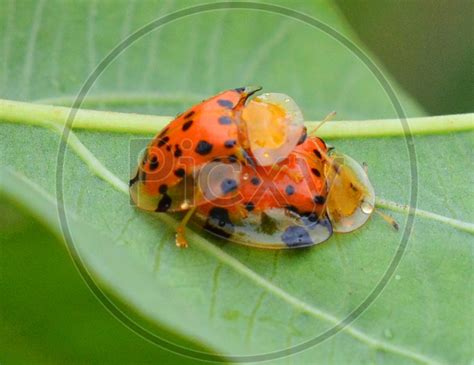
Not all insects are foes; many are your garden’s best allies. Encourage beneficial insects like ladybugs, lacewings, and parasitic wasps, which prey on common garden pests. You can attract them by planting a diverse range of flowering plants, especially those with small flowers like dill, fennel, and cosmos. Avoid broad-spectrum pesticides, even organic ones, that might harm these helpful creatures.
Crop Rotation and Garden Hygiene
Implementing crop rotation each season helps break pest life cycles and prevents disease buildup in the soil. Avoid planting the same crop family in the same spot year after year. Additionally, good garden hygiene, such as removing diseased plant material and fallen leaves, eliminates hiding spots and breeding grounds for pests.

Embrace a Holistic Approach
Deterring pests naturally is an ongoing process that involves observation, patience, and a willingness to work with nature. By creating a diverse and healthy garden ecosystem, employing physical barriers, leveraging companion plants, and utilizing organic solutions when necessary, you can successfully protect your organic vegetables and enjoy a safe, chemical-free harvest year after year. Embrace these methods, and your garden will thank you with abundance.