What are practical ways to involve kids in country living chores and real food prep?

Why Involve Kids in Country Living and Real Food?
Country living often comes with a bounty of chores, from tending gardens and caring for animals to maintaining the home and property. Simultaneously, a focus on real food preparation becomes central to a healthy, self-sufficient lifestyle. Involving children in these activities isn’t just about getting an extra pair of hands; it’s about instilling invaluable life skills, a strong work ethic, an appreciation for where food comes from, and fostering deep family bonds. These experiences teach responsibility, problem-solving, and a connection to the natural world that few other environments can offer.
Starting early and making involvement a positive experience is key to successful integration. The goal is to cultivate willing participants, not resentful laborers, by framing tasks as learning opportunities and shared family projects.
Age-Appropriate Country Chores for Kids
Tailoring chores to a child’s age and ability is crucial. For toddlers, simple tasks like watering plants with a small can, helping to collect eggs (with supervision), or sorting clean laundry can be a great start. Preschoolers can graduate to feeding pets, raking small piles of leaves, helping to weed garden beds, or washing vegetables. Elementary-aged children can take on more responsibility: mucking out animal stalls, helping with planting and harvesting, gathering firewood, or assisting with basic repair tasks under guidance.

Teenagers can become indispensable, managing entire sections of the garden, performing more complex animal care, assisting with construction or maintenance projects, and even operating some farm equipment safely. Make sure to clearly explain the ‘why’ behind each chore – why animals need fresh water daily, or why weeds must be pulled – to build their understanding and commitment.
Real Food Prep: Little Hands in the Kitchen
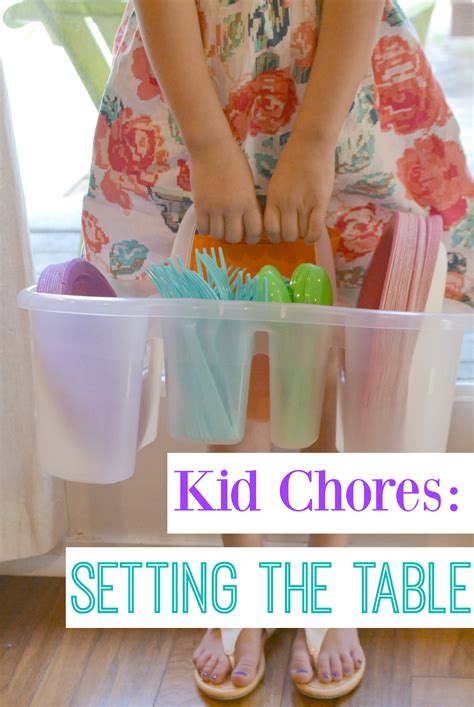
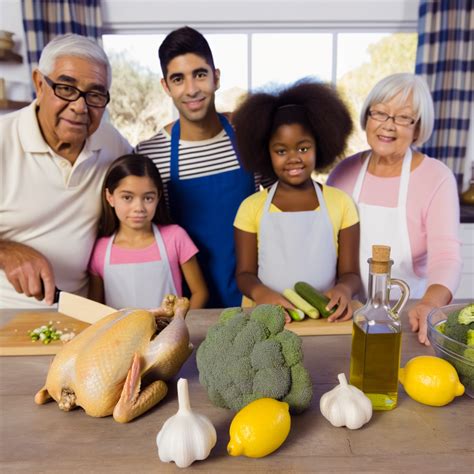
The kitchen is another fantastic place for kids to learn essential life skills and develop a healthy relationship with food. Start with basic safety rules and simple tasks. Toddlers can wash fruits and vegetables, stir ingredients in a bowl, or tear lettuce for salads. Preschoolers can measure ingredients, pour liquids (with supervision), mash soft foods, or use cookie cutters.
Elementary school children can learn to chop soft vegetables with a safe knife, crack eggs, mix batters, and help read recipes. They can also take pride in preparing snacks or simple meals independently. Teenagers can master complex recipes, learn about food preservation (canning, freezing, dehydrating), and even plan and execute full family meals, including budgeting and shopping.
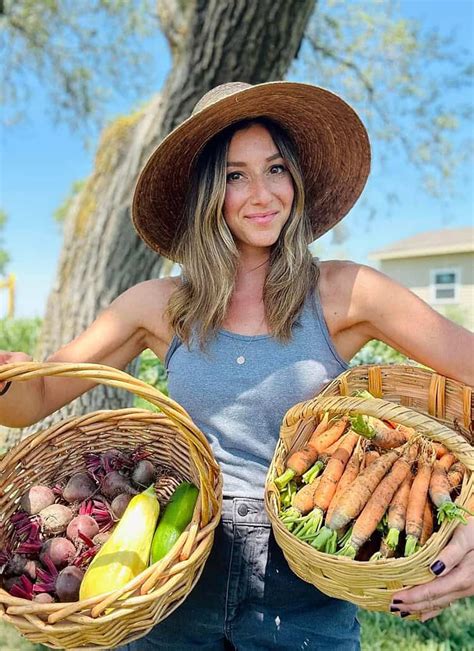
Connecting the garden to the kitchen enhances the experience. When children grow their own tomatoes or pick their own berries, they’re much more likely to be enthusiastic about preparing and eating them. This direct connection fosters an appreciation for whole foods and healthy eating habits.
Fostering Responsibility and Independence
Involving kids effectively means more than just assigning tasks; it’s about empowering them. Give children ownership over certain chores. For example, assign them specific animal care duties or a dedicated section of the garden. Let them experience the natural consequences of their actions – if they forget to water their plants, they might wilt. This teaches responsibility in a tangible way.
Encourage problem-solving. If a task isn’t going as planned, instead of stepping in immediately, ask them what they think the solution might be. Offer guidance, but allow them to try and figure things out. Consistency is also vital; chores should be a regular part of their routine, not just something done when parents are overwhelmed. Regularity builds habit and expectation.
The Deeper Rewards for Families
The benefits of involving children in country living chores and real food prep extend far beyond the immediate tasks. These shared experiences build strong family bonds and create lasting memories. Working side-by-side on a common goal fosters teamwork, communication, and mutual respect. Children learn resilience and the satisfaction that comes from hard work and seeing a project through to completion.

They also develop a profound appreciation for their food, their environment, and the effort it takes to sustain a household. These are not just chores; they are foundational lessons in sustainability, self-sufficiency, and healthy living that will serve them well throughout their lives.
Embracing country living and real food prep as a family adventure transforms daily duties into enriching educational opportunities, laying the groundwork for capable, confident, and connected individuals.