


What are proven natural methods for extending your garden’s fall harvest season?

Embracing the Extended Harvest: Natural Methods for Your Fall Garden
As the vibrant colors of summer begin to fade and a crisp chill enters the air, many gardeners believe their harvesting days are numbered. However, with a few proven natural methods, you can significantly extend your garden’s bounty well into the fall, sometimes even into early winter. Embracing these strategies not only provides fresh produce for longer but also deepens your connection to the rhythms of nature.
Strategic Planting for Fall Success
The key to a long fall harvest often begins much earlier in the season with thoughtful planning and planting choices. It’s about outsmarting the frost and choosing plants that thrive in cooler conditions.
Succession Planting for Continuous Yield
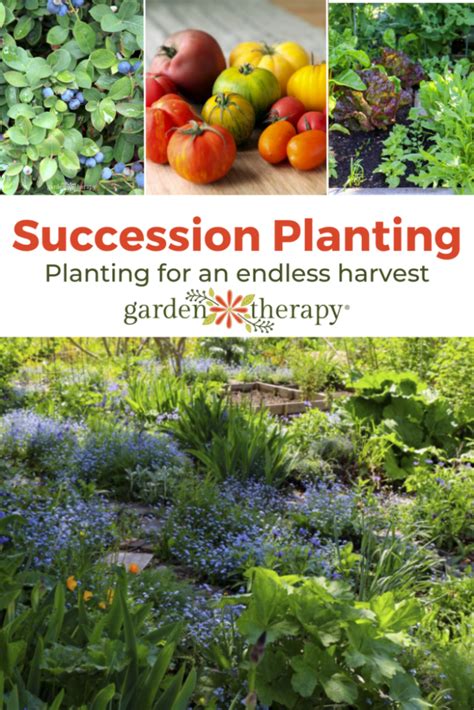
Don’t stop planting just because it’s late summer! Succession planting involves staggering your plantings of cool-season crops every 2-3 weeks. This ensures a continuous harvest rather than a single large yield that might succumb to an early frost. Think about fast-growing greens like lettuce, spinach, arugula, radishes, and even bush beans for a late-season push.
Choosing Cold-Hardy Varieties
Some plants are simply better equipped to handle cooler temperatures and light frosts. Focus on varieties known for their cold tolerance. Kale, collards, Swiss chard, spinach, various lettuces, carrots, beets, parsnips, and broccoli are excellent choices. Many of these crops actually develop a sweeter flavor after a light frost, converting starches into sugars.
Protecting Your Plants from the Elements
Once your cold-hardy plants are in the ground, the next step is providing protection from dipping temperatures, particularly early frosts.
Harnessing Cold Frames and Cloches
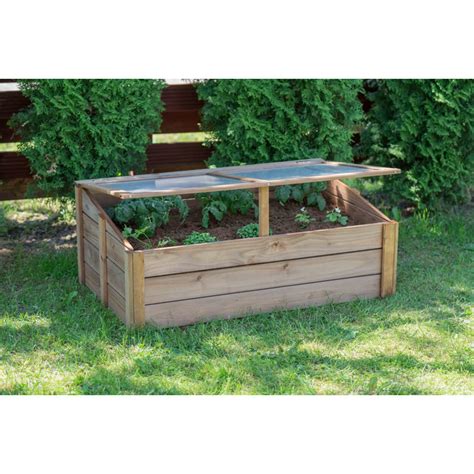
Cold frames are essentially unheated mini-greenhouses that sit over your garden beds. They trap solar heat during the day and insulate plants at night, effectively raising the temperature inside by several degrees. You can build simple cold frames from old windows, straw bales, or lumber. For individual plants, cloches (bell-shaped covers) made from plastic jugs or glass jars can offer similar localized protection.
Utilizing Row Covers and Low Tunnels
Floating row covers made from lightweight, breathable fabric are incredibly versatile. They can be draped directly over plants or supported by hoops to create low tunnels. These covers provide a protective barrier against frost, strong winds, and even some pests, while still allowing light and water to penetrate. Choose heavier fabrics for more significant temperature drops.
Deep Mulch for Root Insulation
A thick layer of organic mulch (straw, leaves, wood chips) around your plants does wonders for insulating the soil. It helps regulate soil temperature, keeping it warmer for longer and protecting roots from freezing. For root crops like carrots and parsnips, a deep layer of mulch can even allow you to leave them in the ground for fresh harvesting well into winter, as needed.
Smart Harvesting Techniques for Longevity
How you harvest can also impact how long your plants continue to produce.
Cut-and-Come-Again Harvesting
For leafy greens like spinach, lettuce, kale, and Swiss chard, practice cut-and-come-again harvesting. Instead of pulling the whole plant, snip off only the outer leaves. This encourages the plant to continue producing new growth from its center, providing multiple harvests from a single plant over many weeks.
Conclusion: Savoring the Extended Garden Season
By implementing these natural and time-tested methods, your garden doesn’t have to surrender to the first signs of cold. Strategic planting, thoughtful protection, and mindful harvesting can transform your fall garden into a vibrant, productive space, providing fresh, homegrown produce long after summer has departed. Embrace these techniques and enjoy the satisfying abundance of an extended harvest season.

