What are simple, effective natural pest controls for homestead vegetable gardens?

For any homesteader, a thriving vegetable garden is a source of immense satisfaction and sustenance. However, the battle against pests can often feel overwhelming. The good news is that you don’t need harsh chemicals to keep your crops safe. By understanding and working with nature, you can implement simple, effective, and environmentally friendly pest control strategies that promote a healthier garden ecosystem.
Embracing Biodiversity and Healthy Soil
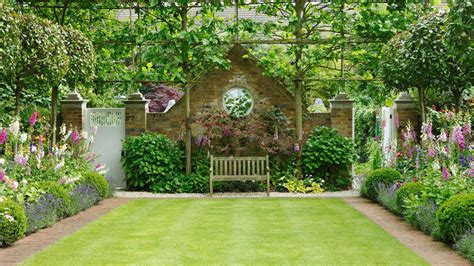
The foundation of a resilient garden lies in its biodiversity and the health of its soil. A garden rich in various plant species and teeming with microbial life in the soil is naturally more resistant to pest outbreaks. Focus on improving your soil with compost and organic matter, which strengthens plants’ natural defenses, making them less attractive targets for pests. Encourage beneficial insects by planting a variety of flowers alongside your vegetables.

Companion Planting: Nature’s Allies
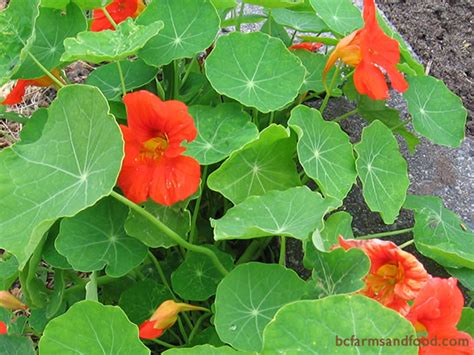
One of the oldest and most effective natural pest control methods is companion planting. Certain plants, when grown together, can deter pests, attract beneficial insects, or improve the growth of their neighbors. For instance, marigolds are known to repel nematodes and other harmful insects, while nasturtiums can act as a trap crop for aphids, drawing them away from more valuable vegetables. Planting dill or fennel near carrots can attract parasitic wasps that prey on various garden pests.

Physical Barriers and Manual Removal
Sometimes, the simplest solutions are the best. Physical barriers can prevent pests from ever reaching your plants. Row covers made of lightweight fabric can protect young seedlings from flying insects like cabbage worms and squash vine borers. For larger pests like rabbits or deer, sturdy fencing is essential. Regularly inspecting your plants and manually removing pests, such as hand-picking slugs, snails, or larger caterpillars, is a highly effective, albeit time-consuming, method, especially in smaller gardens.
Homemade Organic Sprays
When an infestation gets out of hand, a natural spray can provide targeted relief without harming the environment or beneficial insects (if applied carefully). A simple solution of dish soap and water (1-2 teaspoons per gallon) can be effective against soft-bodied insects like aphids and spider mites. Neem oil, derived from the neem tree, is a powerful organic pesticide that disrupts insect feeding and breeding cycles, effective against a wide range of pests. Garlic and chili pepper sprays can also act as deterrents.

Attracting Beneficial Insects and Wildlife
Turn your garden into a haven for nature’s pest controllers. Ladybugs, lacewings, parasitic wasps, and hoverflies are voracious predators of common garden pests. You can attract them by planting flowering herbs and pollinator-friendly flowers like borage, calendula, cosmos, and sunflowers. Providing a water source and creating small habitats like brush piles can also encourage beneficial wildlife, such as frogs and birds, which can significantly reduce pest populations.
Conclusion: A Sustainable Approach to Pest Management
Natural pest control is not about eliminating every single insect but about creating a balanced ecosystem where pests are kept in check by natural predators and healthy plant defenses. By integrating these simple, effective, and sustainable methods into your homestead vegetable garden routine, you’ll foster a thriving environment that provides abundant, chemical-free produce year after year. It’s a journey of observation, learning, and working harmoniously with the natural world around you.