




What are simple, effective ways to preserve homegrown produce year-round?

Embrace Year-Round Abundance: Preserving Your Homegrown Harvest
The satisfaction of harvesting fresh, homegrown produce is one of life’s simple pleasures. However, the season of abundance is often fleeting. To truly savor the fruits (and vegetables!) of your labor year-round, mastering a few simple and effective preservation techniques is key. Not only does it reduce waste, but it also allows you to enjoy nutritious, garden-fresh flavors long after the growing season has ended. Let’s explore some of the most accessible methods for extending your harvest.
Classic Techniques: Sealing in Freshness
Canning: The Art of Airtight Storage
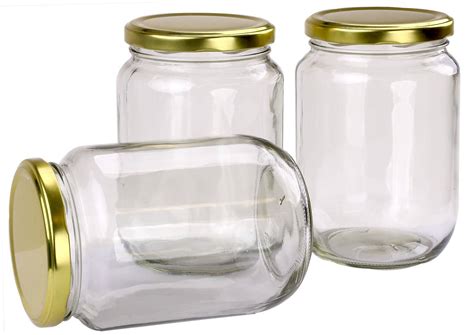
Canning remains a cornerstone of home preservation, allowing you to store a wide variety of foods in airtight jars. There are two primary methods: water bath canning and pressure canning.
- Water Bath Canning: Ideal for high-acid foods like fruits, jams, jellies, pickles, and tomatoes (with added acid). Jars are submerged in boiling water for a specified time, creating a vacuum seal.
- Pressure Canning: Essential for low-acid foods such as most vegetables, meats, and mixed recipes like soups. A pressure canner heats food to much higher temperatures than boiling water, destroying harmful bacteria. This method requires careful attention to safety guidelines.
No matter the method, cleanliness, proper jar sterilization, and accurate processing times are crucial for safe, long-lasting results.
Freezing: A Quick and Convenient Method
Freezing is arguably the easiest and quickest way to preserve most fruits and vegetables, often retaining their nutritional value and fresh flavor remarkably well. Most vegetables require blanching (briefly boiling then rapidly cooling in ice water) before freezing to stop enzyme action that can degrade color, flavor, and texture. Fruits, on the other hand, can often be frozen raw, either whole, sliced, or pureed.
Use freezer-safe bags or containers, ensuring as much air as possible is removed to prevent freezer burn. Labeling with the date and contents is essential for keeping your freezer organized and ensuring you consume items within their optimal timeframe.

Dehydrating: Concentrating Flavors and Nutrients
Dehydration removes moisture from food, inhibiting microbial growth and concentrating flavors. This method is excellent for making fruit leathers, dried herbs, sun-dried tomatoes, and vegetable chips. A food dehydrator offers the most consistent results, but you can also use an oven on its lowest setting with the door ajar, or even natural sunlight in dry, warm climates.
Dried foods are lightweight, take up minimal storage space, and are perfect for snacking, camping, or adding intense flavor to cooked dishes. Ensure foods are completely dry before storing in airtight containers to prevent spoilage.
Expanding Your Options: Beyond the Basics
Fermentation: Live Cultures for Longevity and Flavor
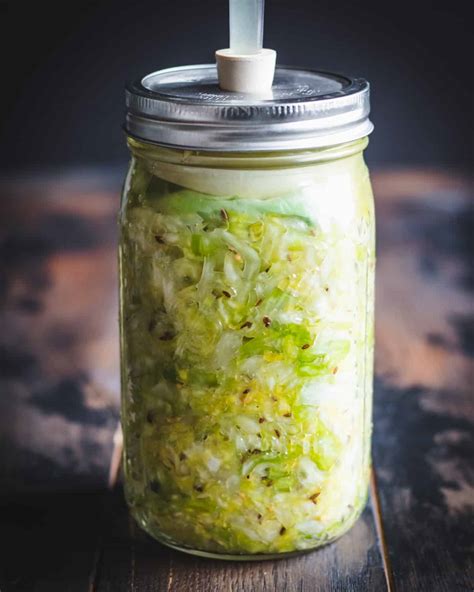
Fermentation is an ancient preservation method that not only extends the shelf life of produce but also enhances its nutritional value and creates unique, complex flavors. Lactic acid fermentation, as seen in sauerkraut, kimchi, and traditional pickles, involves beneficial bacteria converting sugars into lactic acid, which acts as a natural preservative. This process is surprisingly simple to do at home and requires minimal specialized equipment, often just jars, salt, and your chosen produce.
Cold Storage and Root Cellaring: Nature’s Refrigerator
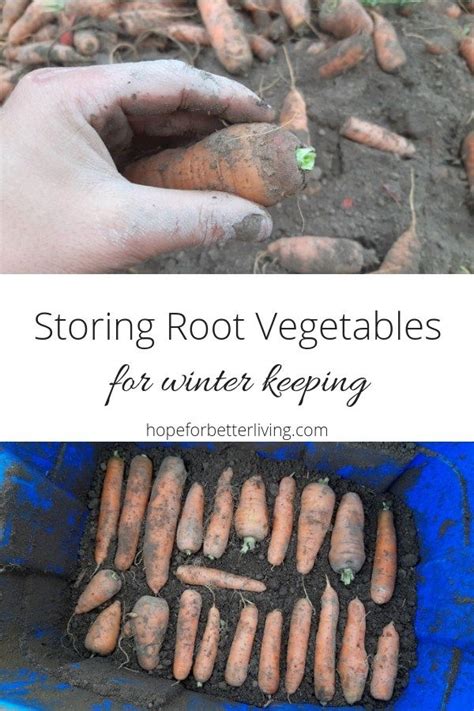
For certain root vegetables and fruits, a simple cool, dark, and humid environment can be an incredibly effective preservation method. A true root cellar or even an unheated basement, garage, or cold pantry can store items like potatoes, carrots, onions, apples, and winter squash for months without any processing. The key is to select blemish-free produce, provide good air circulation, and maintain consistent temperature and humidity levels to prevent sprouting, rotting, or drying out.
Keys to Successful Preservation
Regardless of the method you choose, a few universal principles will ensure your preservation efforts are successful:
- Start with Quality Produce: Always use the freshest, blemish-free produce available. Preservation won’t improve poor quality.
- Follow Recipes and Guidelines: Especially with canning, adhere strictly to tested recipes and USDA guidelines for safety.
- Cleanliness is Paramount: Sterilize jars and equipment thoroughly to prevent contamination.
- Label Everything: Include the item and the date of preservation. This helps with inventory and ensures you use older items first.
- Store Properly: Keep preserved foods in a cool, dark place away from direct sunlight.

Enjoying Your Hard Work All Year Long
Preserving your homegrown produce is a rewarding endeavor that connects you more deeply to your food source. By employing these simple yet effective techniques, you can enjoy the delicious, healthy bounty of your garden through every season, bringing a taste of summer to the coldest winter day and ensuring no harvest ever goes to waste. Experiment with different methods, discover your favorites, and enjoy the delicious results of your country living efforts.