
What are simple, natural ways to deter garden pests without chemicals?

Embracing a Chemical-Free Garden
For many passionate gardeners, the desire to cultivate a thriving plot free from harsh chemicals is paramount. Not only does it protect the environment and beneficial wildlife, but it also ensures healthier produce for your table. Fortunately, nature offers a plethora of ingenious solutions to keep unwanted garden pests at bay. Let’s explore some simple, natural, and highly effective strategies to deter common garden invaders without resorting to synthetic pesticides.
Companion Planting: Nature’s Synergy
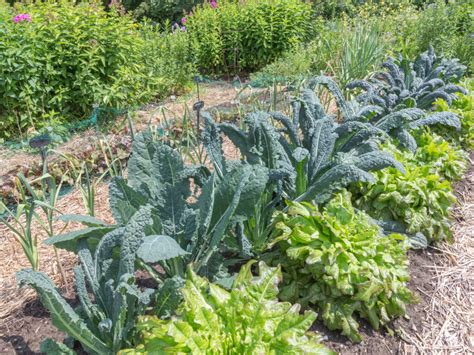
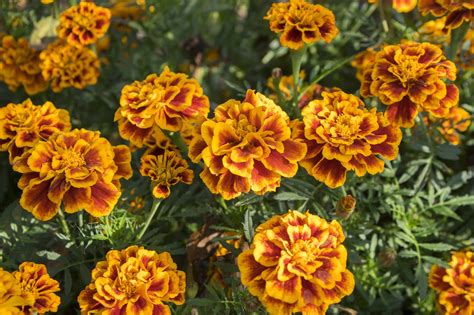
One of the oldest and most effective natural pest deterrence methods is companion planting. Certain plants, when grown near each other, can deter pests, attract beneficial insects, or even improve the growth of their neighbors. Marigolds, for instance, are renowned for repelling nematodes and other soil pests with their strong scent and root exudates. Basil planted near tomatoes can deter tomato hornworms and flies, while nasturtiums act as a trap crop for aphids, drawing them away from more valuable plants.
Herbs like mint, rosemary, and lavender also boast powerful repellent properties. Planting chives near roses can help deter aphids, and garlic is a known deterrent for many pests, including slugs and Japanese beetles. Researching specific plant pairings for your common garden nuisances can create a naturally balanced ecosystem.
Welcome Beneficial Insects to Your Garden
Not all insects are foes; many are your garden’s best allies! Ladybugs, lacewings, hoverflies, and parasitic wasps are natural predators of common pests like aphids, mites, and caterpillars. To attract these helpful guardians, plant a diverse array of flowers, especially those with small, open blooms that offer easy access to nectar and pollen. Dill, fennel, parsley, cosmos, and sunflowers are excellent choices. Providing a water source, such as a shallow bird bath with pebbles, can also encourage them to stay.

Physical Barriers and Traps
Sometimes, a simple physical barrier is all you need. Row covers, made of lightweight fabric, can protect seedlings and young plants from flying insects like cabbage moths, squash bugs, and cucumber beetles. Just be sure to remove them when plants need pollination. Copper tape around raised beds or pots can deter slugs and snails, as they dislike crossing the metallic surface. Sticky traps, placed strategically, can catch flying pests without harming larger beneficial insects, but use them cautiously to avoid trapping non-target species.
For larger pests like deer or rabbits, fencing is often the most reliable solution. While it might not be entirely “natural” in the same way as plants, it prevents damage without chemicals.
Homemade Remedies and Repellents
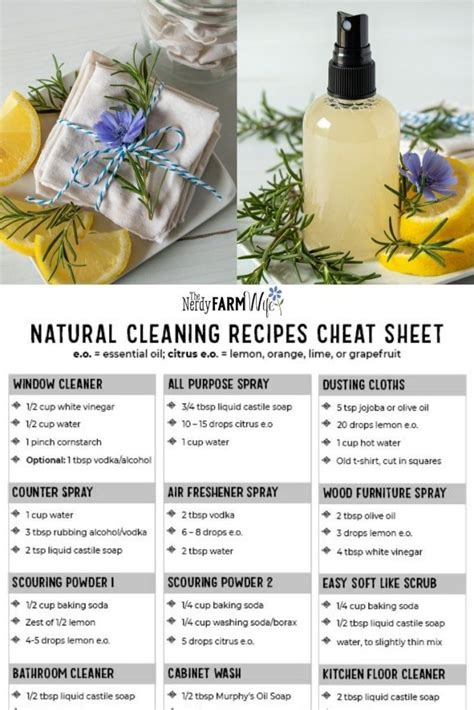
Your kitchen pantry and garden shed can hold the ingredients for effective, natural pest deterrents. A simple garlic spray (minced garlic steeped in water, then strained and diluted) can repel aphids, slugs, and other soft-bodied insects. Neem oil, derived from the neem tree, is a powerful organic pesticide that disrupts insect feeding and reproduction cycles. Mix it with water and a tiny bit of mild soap to create an effective spray. Likewise, an insecticidal soap solution (a few drops of mild dish soap mixed with water) can smother soft-bodied pests on contact.
Be mindful when applying these; always test on a small area first, and apply in the early morning or late evening to minimize harm to beneficial insects and avoid leaf burn in direct sunlight.
Good Garden Hygiene and Practices
Prevention is often the best cure. Practicing good garden hygiene can significantly reduce pest problems. Regularly inspect your plants for early signs of infestation and remove pests by hand if possible. Rotate your crops annually to break pest life cycles that overwinter in the soil. Remove diseased or heavily infested plant parts promptly to prevent spread. Keep your garden free of weeds, which can harbor pests, and ensure proper spacing between plants for good air circulation, reducing fungal diseases that can weaken plants and make them more susceptible to pests.

Conclusion: A Thriving, Chemical-Free Oasis
Deterring garden pests naturally is an ongoing process of observation, experimentation, and partnership with nature. By implementing strategies like companion planting, attracting beneficial insects, utilizing physical barriers, and employing homemade remedies, you can create a resilient, vibrant garden ecosystem. These chemical-free approaches not only protect your plants but also contribute to a healthier environment, allowing you to enjoy the fruits (and vegetables!) of your labor with peace of mind. Embrace these simple, natural methods and watch your garden flourish.