


What are simple, natural ways to preserve excess garden herbs for year-round use?

The bounty of a thriving herb garden is one of summer’s greatest pleasures, but what happens when you have more basil than you can pesto, or an abundance of mint threatening to take over? Instead of letting your precious herbs go to waste, embrace simple, natural preservation techniques that allow you to enjoy their fresh flavors and aromatic benefits long after the growing season ends. These methods are not only economical but also deeply satisfying, connecting you to your garden year-round.
Drying Herbs: The Timeless Tradition
Drying is perhaps the oldest and most straightforward method of preserving herbs. It concentrates their flavors and makes them shelf-stable. While some herbs like rosemary, thyme, oregano, and bay leaves dry beautifully, others, such as basil and mint, might lose some of their potency compared to freezing.
Air Drying
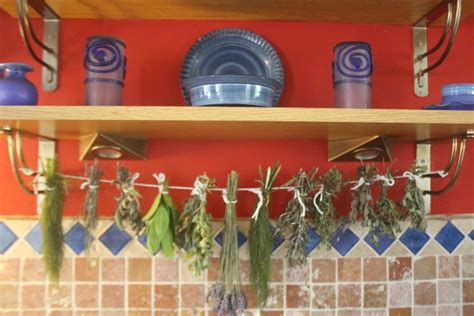
For sturdy-stemmed herbs, air drying is incredibly simple. Gather small bunches, tie them with twine, and hang them upside down in a warm, dry, and well-ventilated area away from direct sunlight. A pantry, attic, or even a quiet corner of your kitchen can work. Ensure good airflow to prevent mold. Depending on humidity, herbs will be crisp and crumble easily within one to three weeks. Once dry, strip the leaves from the stems and store them in airtight containers away from light and heat.
Oven or Dehydrator Drying
If you live in a humid climate or are short on time, a food dehydrator is an excellent investment. Follow the manufacturer’s instructions for drying herbs, typically at a low temperature (around 95-105°F / 35-40°C) until brittle. Alternatively, a conventional oven set to its lowest temperature (often around 170°F / 75°C) can be used, though it requires careful monitoring to prevent scorching. Place herbs on baking sheets lined with parchment paper and prop the oven door open slightly to allow moisture to escape. Check frequently, turning as needed, until fully dry.
Freezing Herbs: Capturing Garden Freshness
Freezing is ideal for delicate herbs like basil, parsley, cilantro, and chives, as it helps retain their vibrant color and fresh flavor that drying often diminishes. It’s an excellent way to capture that “just picked” taste for future culinary endeavors.
Chopped and Cubed
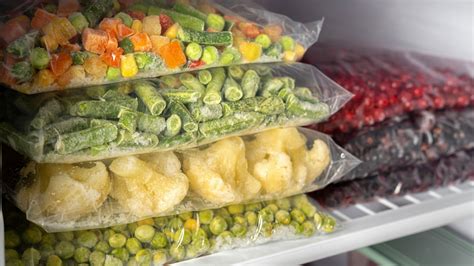
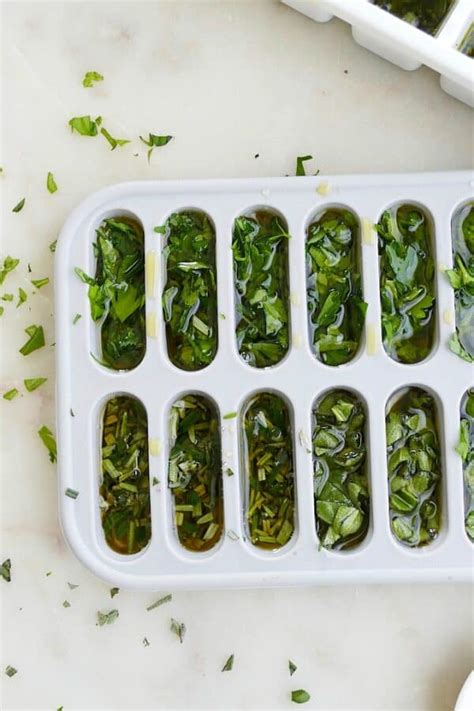
A popular method involves chopping herbs finely and freezing them in ice cube trays. You can fill the compartments with just the chopped herbs and a splash of water, or for an extra flavor boost, use olive oil or melted butter. Once frozen solid, transfer the herb cubes to freezer-safe bags or containers. These herb bombs are perfect for dropping directly into soups, stews, sauces, or sautéed dishes, melting down to infuse their flavor.
Whole Leaves or Sprigs
For herbs like mint, basil, or dill, you can simply wash, pat dry thoroughly, and then spread single layers on a baking sheet to flash freeze. Once frozen solid, transfer them to freezer bags. This method works well for later use in garnishes or when you need larger pieces of herbs.
Infusions: Flavorful Oils and Vinegars
Infusing herbs into oils and vinegars creates gourmet staples that can elevate dressings, marinades, and dishes throughout the year. Always exercise caution with oil infusions to prevent botulism, ensuring proper acidification or refrigeration.
Herb-Infused Oils
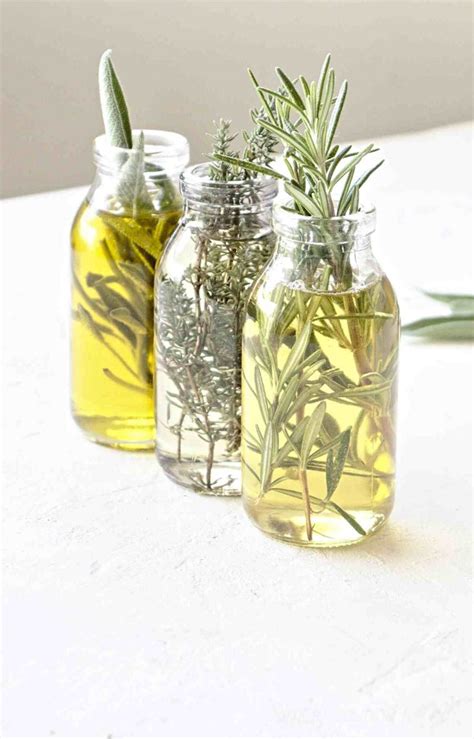
To make herb-infused oil, simply pack clean, dry herbs (such as rosemary, thyme, or oregano) into a sterilized glass bottle and cover completely with a good quality olive oil or other culinary oil. For safety, it is highly recommended to acidify the herbs with a splash of vinegar or lemon juice beforehand, or store the oil in the refrigerator and use within a week or two. For longer shelf life, commercially prepared infused oils are pressure canned. At home, consider making smaller batches for immediate use or for freezing the herbs in oil as described above.
Herb-Infused Vinegars
Vinegar infusions are generally safer than oil infusions for shelf stability due to their high acidity. Fill a sterilized jar with clean, dry herb sprigs (basil, dill, tarragon, chives, oregano, rosemary all work well) and cover with a good quality vinegar like white wine vinegar, apple cider vinegar, or red wine vinegar. Seal tightly and let it steep in a cool, dark place for two to four weeks, shaking occasionally. Strain out the herbs and bottle the infused vinegar for use in salad dressings, marinades, or cooking.

Beyond the Basics: Herb Salts
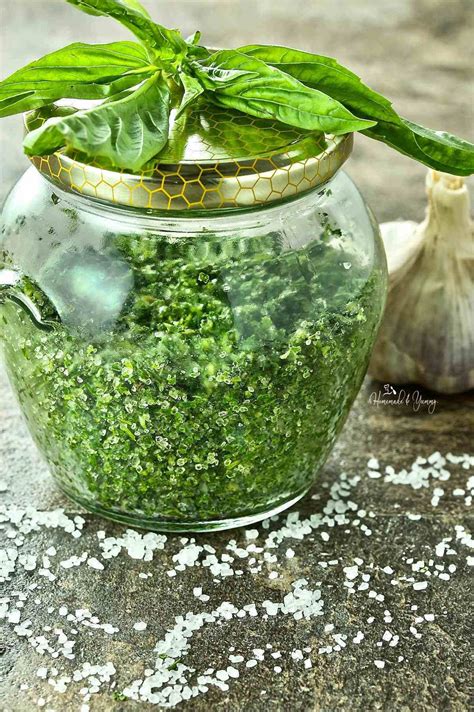
Herb salts are a fantastic way to preserve delicate herb flavors while creating a versatile seasoning blend. Simply combine finely chopped fresh herbs (rosemary, thyme, sage, parsley, or a mix) with coarse sea salt. The ratio can vary, but generally, one part herbs to two or three parts salt works well. Spread the mixture on a baking sheet and allow it to air dry for several days, or dry in a very low oven until the salt is completely dry and crunchy. Store in an airtight jar. This seasoned salt adds a gourmet touch to roasted vegetables, meats, or eggs.
Enjoying Your Garden’s Bounty Year-Round
Preserving your garden herbs naturally is a rewarding endeavor that extends the joy and flavors of summer well into the colder months. Whether you choose to dry them for long-term storage, freeze them to retain peak freshness, infuse them into oils and vinegars, or create savory herb salts, each method offers a unique way to savor the essence of your garden. Experiment with different techniques to find what works best for your herbs and your culinary style, ensuring a constant supply of homegrown goodness for all your year-round cooking.