What are simple, natural ways to preserve fresh garden herbs for winter use?

Bringing Your Garden Indoors for Winter
As the vibrant growing season wanes, the thought of losing access to your fresh garden herbs can be disheartening. Thankfully, preserving these aromatic treasures is a simple, natural process that allows you to enjoy their flavor and health benefits long after the first frost. With a few easy techniques, you can stock your pantry and freezer with homegrown goodness, bringing a taste of summer to your winter dishes.
Drying Herbs for Long-Term Storage
Drying is perhaps the oldest and most straightforward method of herb preservation. It concentrates their flavors and removes moisture, preventing spoilage. Many woody herbs like rosemary, thyme, oregano, sage, and bay leaves are excellent candidates for drying.
Air Drying
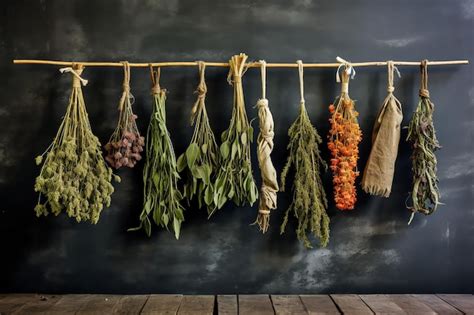
For most herbs, air drying is incredibly simple. Gather small bunches, tie them with twine, and hang them upside down in a warm, dry, well-ventilated area away from direct sunlight. A pantry, attic, or even a closet works well. Herbs are dry when they crumble easily to the touch, usually within 1-3 weeks. Once dry, strip the leaves from the stems and store them whole or lightly crumbled in airtight containers, away from light and heat.
Using a Dehydrator or Oven
For a quicker method, a food dehydrator set to a low temperature (around 95-115°F / 35-46°C) can dry herbs efficiently. Spread clean, single layers of leaves on the trays and check periodically until crisp. If you don’t have a dehydrator, your oven on its lowest setting (or just the pilot light) can also work. Lay herbs on a baking sheet lined with parchment paper and prop the oven door slightly ajar to allow moisture to escape. Turn frequently to prevent scorching.
Freezing Herbs for Fresh Flavor
Freezing is ideal for herbs with a higher moisture content that tend to lose flavor or color when dried, such as basil, parsley, cilantro, chives, and dill. It’s an excellent way to capture their fresh essence.
Ice Cube Tray Method
Chop your fresh herbs finely and pack them into ice cube trays. You can then cover them with water, olive oil, or even melted butter. Once frozen solid, pop the herb cubes out and transfer them to freezer-safe bags or containers. These convenient portions can be dropped directly into soups, stews, sauces, or stir-fries for an instant flavor boost.
Flash Freezing Whole Leaves
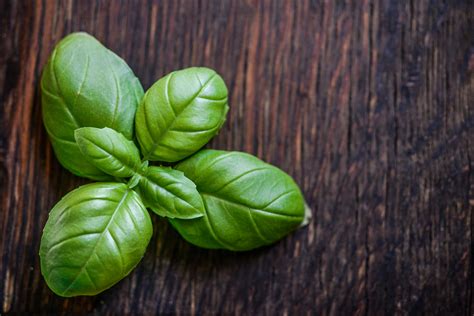
For herbs like basil, you can flash freeze individual leaves. Lay clean, dry leaves in a single layer on a baking sheet. Once frozen solid (about an hour), transfer them to freezer bags, pressing out as much air as possible before sealing. This method helps prevent them from clumping together.

Infusing Oils and Vinegars with Herbal Goodness
Infused oils and vinegars make wonderful culinary additions and thoughtful gifts. They capture the essence of herbs beautifully.
Herbal Oils (Caution Advised)
While attractive, infusing fresh herbs in oil carries a risk of botulism if not done correctly, as a low-oxygen environment can encourage bacterial growth. For safety, it’s generally recommended to use thoroughly dried herbs for oil infusions, or to refrigerate fresh herb oils and use them within a week. To make a dried herb oil, simply place your chosen dried herbs (e.g., rosemary, thyme, oregano) in a clean, sterilized jar, cover with good quality olive oil, and let it infuse in a cool, dark place for 1-2 weeks, shaking occasionally. Strain before use.
Herbal Vinegars
Vinegar infusions are safer due to their acidity. Fill a sterilized jar with fresh or dried herbs (e.g., tarragon, basil, chives, dill, rosemary). Heat your preferred vinegar (white wine, apple cider, or red wine vinegar) just until warm, then pour it over the herbs, ensuring they are fully submerged. Seal the jar and let it steep in a cool, dark place for 2-4 weeks, shaking every few days. Strain the herbs out before bottling for a clear, flavorful vinegar.
Making Flavorful Herb Butters
Herb butter is a delightful way to preserve the fresh taste of softer herbs and is incredibly versatile. It’s fantastic on vegetables, grilled meats, baked potatoes, or spread on crusty bread.
Simply soften unsalted butter to room temperature, then finely chop your favorite herbs (e.g., parsley, chives, dill, basil, sage). Mix the herbs thoroughly into the butter, adding a pinch of salt and pepper if desired. Roll the herb butter into a log using parchment paper or plastic wrap, then freeze. You can slice off individual medallions as needed, or store it in small containers for easy access.
Other Creative Preservation Methods
Herbal Salts
Transforming herbs into aromatic salts is another simple method. Finely chop fresh herbs like rosemary, thyme, or sage, and mix them with good quality sea salt. Spread the mixture on a baking sheet and allow it to dry completely at room temperature or in a very low oven until the salt is dry and crumbly. Store in an airtight container. This makes a wonderful finishing salt for various dishes.
Tips for Success
- Harvesting: Harvest herbs in the morning after the dew has dried, but before the sun gets too hot, as this is when their essential oils are most concentrated.
- Cleanliness: Always wash herbs gently and dry them thoroughly before preserving. Excess moisture can lead to mold or freezer burn.
- Labeling: Label all your preserved herbs with the herb name and date of preservation.
- Storage: Store dried herbs and infused oils/vinegars in cool, dark places to maintain their potency and prevent degradation.
Conclusion
Preserving your garden herbs naturally is a rewarding endeavor that extends the bounty of your summer garden well into the colder months. Whether you choose to dry them, freeze them, infuse them into oils or vinegars, or blend them into savory butters, each method offers a unique way to enjoy fresh, vibrant flavors year-round. Experiment with different techniques to find what works best for your favorite herbs and culinary needs, ensuring your winter kitchen is always rich with the taste of homemade goodness.