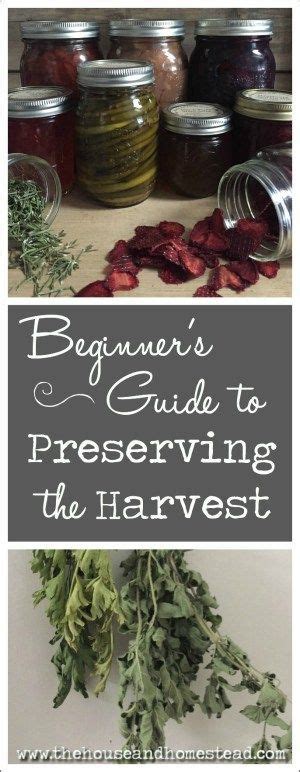
What are simple, real food recipes to preserve garden bounty all year?

Harvesting Happiness: Simple Ways to Preserve Your Garden’s Bounty
There’s an unparalleled joy that comes from stepping into a vibrant home garden, plucking ripe produce straight from the vine, and bringing it indoors. But with great bounty comes a delightful dilemma: how do you enjoy this fresh, wholesome goodness long after the harvest season ends? The answer lies in simple, real food preservation techniques that extend your garden’s generosity throughout the entire year.
Forget complex, additive-laden store-bought options. Preserving your garden’s yield with real food recipes means locking in peak flavor, maximizing nutrition, and knowing exactly what goes into every jar or freezer bag. These methods are often easier than you think and require minimal specialized equipment.
Freezing: The Quickest Path to Year-Round Freshness
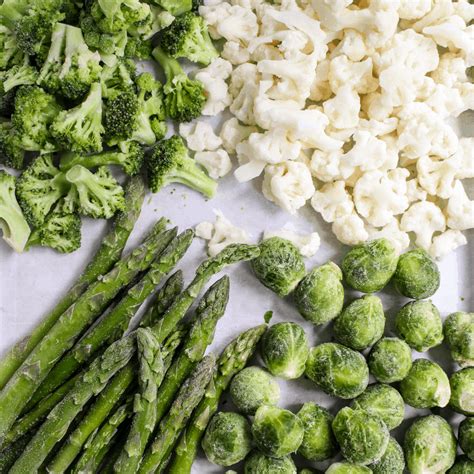
Freezing is arguably the simplest and fastest method to preserve many fruits and vegetables, retaining much of their flavor, color, and nutritional value. It requires minimal fuss and no special pH testing.
Blanched Vegetables
Most vegetables benefit from blanching – a quick dip in boiling water followed by an ice bath – before freezing. This stops enzyme action that can degrade flavor and texture. Think green beans, broccoli, corn, and peas. Simply blanch, cool, pat dry, and spread in a single layer on a baking sheet to flash freeze before transferring to freezer bags.
Fruit Purees and Slices
For fruits like berries, peaches, or plums, washing, slicing (if needed), and freezing on a tray until solid makes them perfect for smoothies, pies, or compotes later. You can also make fruit purees (like apple sauce or berry sauce) and freeze them in containers or even ice cube trays for convenient portions.
Herb Pesto and Cubes
Turn an abundance of basil into vibrant pesto (omit cheese if freezing for long term, add it when serving). For other herbs like parsley or cilantro, chop them finely and mix with a little olive oil or water, then freeze in ice cube trays. These herb bombs are perfect for adding flavor to soups and stews.
Water Bath Canning: Sweet & Savory Staples in a Jar
Water bath canning is ideal for high-acid foods and creates shelf-stable preserves without refrigeration. It’s perfect for jams, jellies, pickles, and tomato-based products.
Simple Berry Jam or Apple Butter
Transform summer berries or fall apples into delicious jams and butters. Focus on recipes with minimal added sugar to let the fruit’s natural sweetness shine. Pectin can be used for faster setting, or you can slowly reduce fruit purées for a thicker, richer spread.
Crisp Pickled Vegetables
Cucumbers, green beans, carrots, and even okra can be transformed into delightful pickles. A simple brine of vinegar, water, salt, and spices like dill, garlic, and mustard seeds yields crunchy, flavorful additions to any meal. Ensure you follow tested recipes for safety.
Homemade Tomato Sauce or Salsa
An abundant tomato harvest is a prime candidate for canning. Create your own rich tomato sauce, diced tomatoes, or a zesty garden salsa. These versatile staples will form the base of countless winter meals.
Dehydrating: Concentrating Flavors and Nutrients
Dehydrating removes moisture, inhibiting spoilage and concentrating flavors. It’s a fantastic way to preserve herbs, fruits, and even some vegetables, resulting in lightweight, shelf-stable ingredients.
Dried Herbs for Flavorful Dishes
Hang bundles of herbs like basil, oregano, thyme, and mint in a warm, dry, well-ventilated area, or use a dehydrator. Once brittle, crumble them into jars. These dried herbs pack a punch of flavor far superior to store-bought varieties.
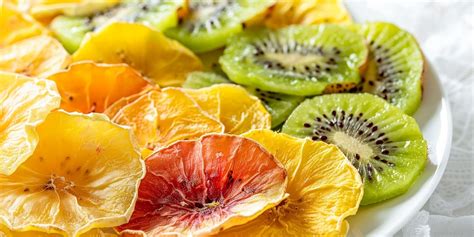
Fruit Leathers and Slices
Puree fruit and spread it thinly on dehydrator trays for healthy fruit leathers, or slice apples, pears, and bananas for chewy, sweet snacks. These are excellent for lunchboxes or on-the-go energy boosts.
Sun-Dried Tomatoes (or Oven-Dried)
Slice ripe tomatoes and dry them slowly in a dehydrator or a very low oven until pliable but no longer moist. Store in olive oil in the fridge or in airtight containers for use in pastas, salads, and sauces.
Fermentation: Probiotic-Rich Preserves for Gut Health
Fermentation is an ancient art that transforms vegetables into tangy, probiotic-rich foods that are excellent for gut health. It’s surprisingly simple and requires very little equipment.
Simple Sauerkraut
Finely shredded cabbage, massaged with salt until it releases its own brine, is the foundation of sauerkraut. Pack it tightly into a jar, ensuring it stays submerged, and let beneficial bacteria do their work. In a few weeks, you’ll have a tangy, crunchy condiment.
Lacto-Fermented Pickles
Beyond cucumbers, you can lacto-ferment green beans, carrots, or even bell peppers. Submerge vegetables in a saltwater brine with optional spices, and allow them to ferment at room temperature. The result is a vibrant, sour pickle with a pleasant fizz.
Cool Storage: Nature’s Original Pantry
For certain root vegetables and hearty fruits, simply storing them in a cool, dark, and moderately humid place (like a root cellar, unheated basement, or garage) is all that’s needed.
Potatoes, onions, garlic, winter squash varieties (like butternut, spaghetti, and acorn), and apples can last for months under the right conditions. Proper curing before storage and regular checks for spoilage are key to maximizing their shelf life.

Embrace the Cycle, Enjoy All Year Long
Preserving your garden’s bounty with these simple, real food recipes is a rewarding process that connects you more deeply with your food. It reduces waste, saves money, and most importantly, ensures that the wholesome flavors and nutrients of your harvest can be savored through every season. Experiment with different methods, find what works best for your garden and your palate, and enjoy the delicious fruits (and vegetables!) of your labor all year long.