


What are simple ways to adapt recipes for seasonal garden abundance?

Embracing Your Garden’s Bounty
There’s an unparalleled joy in harvesting fresh produce from your own garden. However, this joy often comes with a challenge: what to do with the sudden, abundant yield of zucchini, tomatoes, leafy greens, or herbs? Rather than letting precious produce go to waste, adapting your existing recipes is a simple, delicious, and sustainable solution. It not only ensures you utilize every last bit of your hard work but also introduces exciting new flavors and textures to your usual meal rotation.
This guide will explore straightforward methods to creatively incorporate your garden’s seasonal offerings into everyday cooking, transforming the perceived burden of abundance into culinary inspiration.

Core Principles of Recipe Adaptation
Adapting recipes isn’t about rigid rules, but rather understanding a few flexible principles that empower you to swap ingredients confidently.
Substitution is Key
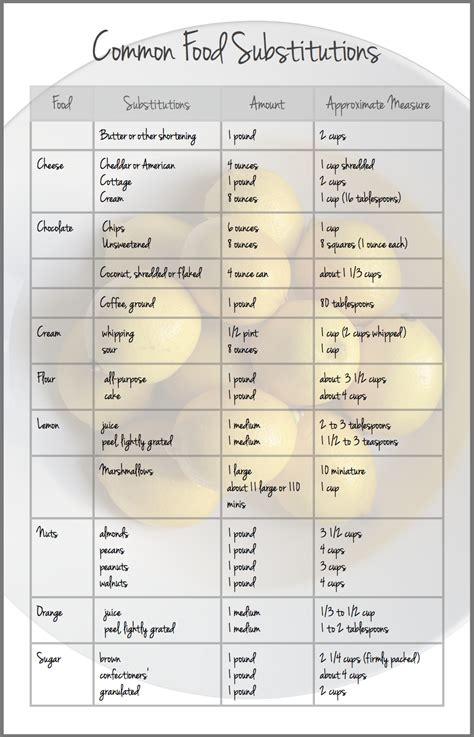
The most direct approach is to substitute a garden-fresh item for a similar ingredient already in a recipe. Think about the role an ingredient plays: Is it for crunch, sweetness, bulk, or acidity? For example:
- Swap spinach for kale, chard, or beet greens in a stir-fry or quiche.
- Use yellow squash or pattypan squash instead of zucchini in baked goods or casseroles.
- Replace bell peppers with smaller sweet peppers or even mild chili peppers in a sauté.
- Fresh herbs like basil, parsley, or cilantro can often be interchanged or combined to create unique flavor profiles in sauces, dressings, and main dishes.
Adjusting Quantities
When you have an overwhelming amount of a certain vegetable, don’t be afraid to increase its proportion in a dish. A recipe calling for one cup of chopped tomatoes might easily accommodate three cups if you’re drowning in them, especially in dishes like sauces, soups, or stews where extra volume is welcome. Conversely, if you only have a small amount of a specialty herb, use it as a garnish or a delicate accent.
Matching Flavor Profiles
Consider the taste and texture of your garden produce. Sweet vegetables (carrots, corn, some squashes) pair well with warming spices and richer flavors. Bitter greens (arugula, radicchio) are fantastic with bright, acidic dressings or balanced by creamy elements. Earthy root vegetables shine with herbs like thyme or rosemary.
Versatile Cooking Methods for Abundance
Certain cooking techniques are inherently flexible and ideal for handling a diverse or abundant garden harvest.
Roasting & Grilling
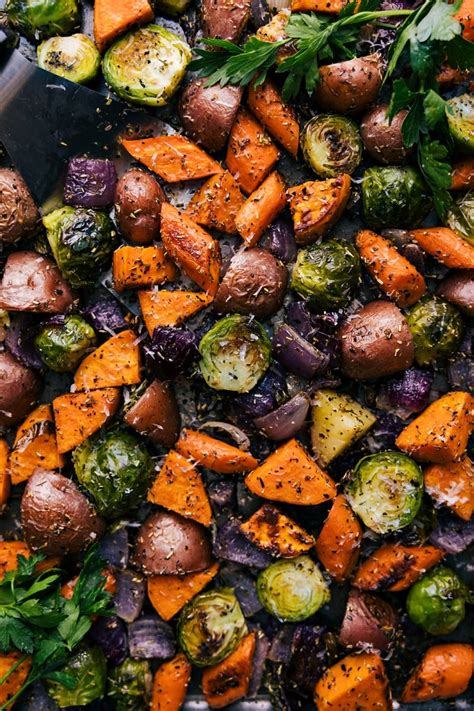
These methods are excellent for transforming large quantities of vegetables with minimal effort. Simply chop a mix of your garden produce (e.g., zucchini, bell peppers, onions, cherry tomatoes, broccoli), toss with olive oil, salt, pepper, and your favorite herbs, then roast until tender and slightly caramelized. Grilling offers a similar smoky flavor and is perfect for firmer vegetables like eggplant, corn on the cob, or thick slices of squash.
Stir-Fries & Sautéing
Quick, customizable, and perfect for using up smaller amounts of various vegetables and leafy greens. A stir-fry is incredibly forgiving – almost any combination of chopped vegetables can be tossed into a hot wok or skillet with a protein and a simple sauce for a fast and healthy meal.
Soups, Stews & Casseroles
When you have an eclectic mix of vegetables, or a large quantity of one item, soups, stews, and casseroles are your best friends. They are excellent for using up slightly past-their-prime produce and can be made in large batches for future meals. Think about a hearty minestrone packed with garden beans, zucchini, tomatoes, and greens, or a vegetable gratin featuring layers of potatoes and summer squash.
Creative Culinary Transformations
Beyond main dishes, there are many ways to process and preserve your garden’s bounty.
Pesto, Sauces & Dips
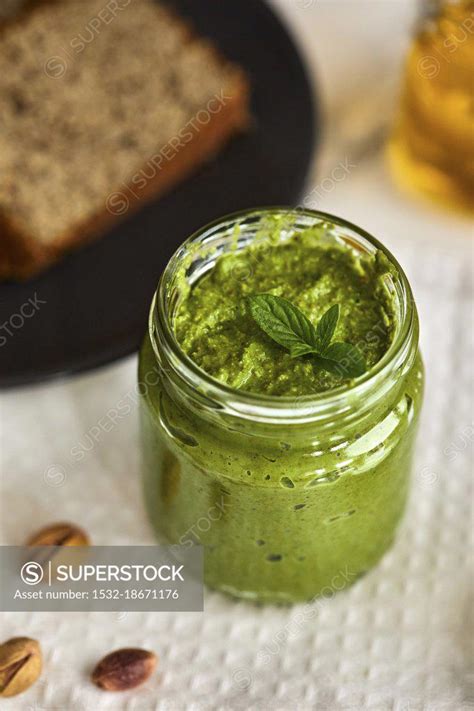
Excess herbs like basil, mint, or even leafy greens like kale or arugula can be blended into delicious pestos. Tomatoes are a natural for sauces, while roasted vegetables can be pureed into creamy dips or spreads. These concentrated preparations are fantastic for immediate use or can be frozen for later enjoyment.
Fermentation & Pickling
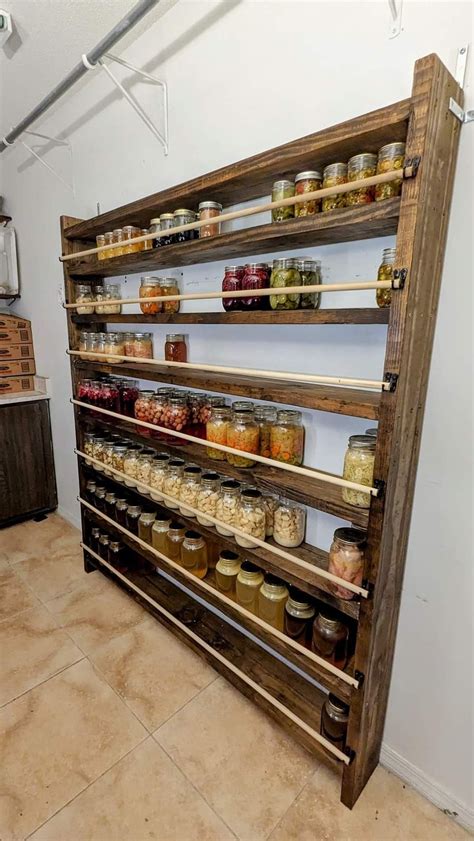
Give your vegetables a new lease on life through fermentation (like kimchi or sauerkraut) or quick pickling. These methods not only preserve your harvest but also introduce exciting tangy flavors and beneficial probiotics to your diet. Cucumbers, radishes, carrots, and green beans are excellent candidates.
Baking & Sweet Treats
Don’t forget the sweeter side! Zucchini bread, carrot cake, tomato jam, berry pies, or apple crisps are classic ways to use up fruits and even some vegetables. Experiment with incorporating grated squash into muffins or pureed pumpkin/sweet potato into pancakes.
Planning for Perpetual Plenty
To truly embrace garden abundance, consider batch cooking and freezing. Turn that large harvest of tomatoes into several batches of sauce, or blanch and freeze excess greens for smoothies and soups. Share your surplus with neighbors, friends, or local food banks. Most importantly, allow yourself to experiment and be flexible. The best garden recipes are often born out of necessity and creativity!

By adopting these simple strategies, you’ll not only reduce food waste but also elevate your cooking, ensuring your garden’s hard-earned bounty brings fresh, vibrant flavors to your table throughout the season and beyond.