




What are simple ways to preserve local food finds from a country trip to bring home?

Savoring the Flavors: Bringing Home Countryside Delights
There’s an undeniable charm in discovering unique culinary treasures during a country trip, whether it’s artisanal cheeses, sun-dried fruits, aromatic herbs, or exotic spices. The challenge, however, often lies in bringing these delectable finds home without spoilage. Fortunately, with some simple planning and clever techniques, you can preserve the essence of your journey and enjoy these local flavors long after your bags are unpacked.
The key is to think about the nature of the food item and its susceptibility to spoilage, then choose the most appropriate method for transport and extended storage at home. Not all preservation methods are practical for travel, so we’ll focus on traveler-friendly strategies.
Focus on Naturally Preserved & Shelf-Stable Gems
The easiest items to bring home are those already preserved or naturally shelf-stable. These often require little to no extra effort on your part:
- Dried Fruits and Vegetables: Many country markets offer beautifully dried apricots, figs, tomatoes, or even mushrooms. These are excellent candidates as their low moisture content makes them highly stable.
- Honey and Jams: Local honey and fruit preserves are perfect souvenirs. Sealed jars are robust and offer a long shelf life.
- Olive Oils and Vinegars: High-quality oils and infused vinegars are non-perishable and add a touch of gourmet to your pantry.
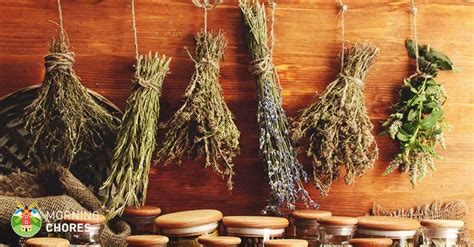
- Spices and Herbs: Bundles of dried herbs or unique local spice blends are lightweight, fragrant, and last a long time.
- Nuts and Seeds: Roasted or raw nuts and seeds, especially those native to the region, make great, resilient finds.
- Artisanal Cured Meats: Hard salamis and other fully cured meats (check customs regulations!) are often shelf-stable before opening due to their curing process.

Smart Solutions for Semi-Perishable Treasures
For items that aren’t fully shelf-stable but aren’t highly perishable, a little extra care goes a long way.
Hard Cheeses
Harder, aged cheeses are far more travel-friendly than soft, fresh varieties. Wrap them in cheese paper or parchment paper (never plastic wrap, which traps moisture and encourages mold) to allow them to breathe. If your journey is short (under 24 hours), they can often survive in a cool, dark part of your luggage. For longer trips, consider:
- Insulated Bags: A small, personal insulated bag with reusable ice packs can extend the life of cheese for a day or two.
- Vacuum Sealing: If available, vacuum-sealing can significantly prolong freshness and protect against odors.

Sturdy Produce
Certain fruits and vegetables, like firm apples, citrus, root vegetables, or garlic bulbs, can endure travel relatively well. Choose unblemished items and pack them carefully to prevent bruising. Avoid highly delicate or watery produce.
Fresh Herbs and Flowers
While challenging, you can bring home fresh herbs or edible flowers for immediate use upon arrival. Wrap their stems in a damp paper towel and then in plastic wrap, placing them gently in a hard-sided container to prevent crushing.

Essential Packing and Transport Tips
- Know Customs Regulations: This is paramount. Before you pack, research the agricultural import restrictions of your home country and any transit countries. Many fresh items, meats, and dairy products are prohibited.
- Insulated Bags and Ice Packs: For anything needing to stay cool, a soft-sided cooler bag with gel ice packs is invaluable. Make sure ice packs are frozen solid if you’re flying, and be prepared for security to inspect them.
- Leak-Proof Containers: Use sturdy, sealable containers for anything that could leak, like oils or sauces. Double-bagging helps too.
- Vacuum Sealing: If you find a vendor who offers vacuum sealing, take advantage of it! It’s fantastic for cheeses, cured meats, and even some dried items, protecting them from air and odors.
- Pack Smart in Luggage: Place fragile items in the center of your suitcase, cushioned by clothes. Keep anything potentially leaky in an easily accessible outer pocket or clearly separated.

Conclusion: Bringing the Taste of Travel Home
With a little foresight and the right techniques, those delightful food finds from your country trip don’t have to be just a fleeting memory. By choosing naturally preserved items, carefully packing semi-perishables, and always checking customs regulations, you can bring home the authentic flavors of your travels. Each bite will be a delicious reminder of your adventures, keeping the spirit of your journey alive in your kitchen.