What are the best DIY pest control solutions for organic vegetable gardens?

Maintaining a thriving organic vegetable garden is a rewarding endeavor, but it often comes with the challenge of unwelcome pests. The good news is that you don’t need harsh chemicals to keep your plants healthy. There are numerous effective, DIY pest control solutions that are safe for your produce, your family, and the environment.
Understanding Your Garden’s Ecosystem
Before implementing any pest control method, it’s crucial to understand who your garden’s inhabitants are. Not all insects are harmful; many are beneficial, preying on pests or aiding in pollination. Spend time observing your garden to identify common culprits like aphids, cabbage worms, slugs, and spider mites, as well as helpful allies like ladybugs and lacewings.
Early detection is key. Regularly inspect the undersides of leaves, new growth, and flower buds for any signs of infestation. The sooner you catch a problem, the easier it is to manage organically.

Preventive Measures: The First Line of Defense
Prevention is always better than cure in organic gardening. A healthy garden is more resilient to pest attacks.
- Crop Rotation: Avoid planting the same crops in the same spot year after year. This confuses pests and breaks their life cycles in the soil.
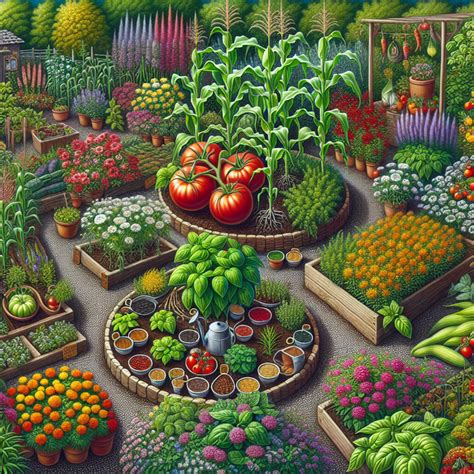
- Companion Planting: Strategically plant certain species together. Marigolds, for instance, are known to repel nematodes and other pests, while nasturtiums can act as a trap crop, luring aphids away from your vegetables.
- Proper Watering & Fertilizing: Healthy, well-nourished plants are better equipped to withstand pest pressure. Overwatering can lead to fungal issues, and too much nitrogen can make plants more attractive to aphids.
- Garden Hygiene: Remove diseased plant material and fallen leaves promptly to eliminate hiding spots and breeding grounds for pests.
Homemade Sprays and Solutions
When prevention isn’t enough, these DIY sprays can offer targeted pest control:
- Neem Oil Spray: A popular organic pesticide, neem oil disrupts the feeding and breeding cycles of many pests, including aphids, whiteflies, and spider mites. Mix 1-2 tablespoons of cold-pressed neem oil with a teaspoon of mild liquid soap (as an emulsifier) per gallon of water. Spray thoroughly, especially on leaf undersides, in the early morning or late evening to avoid harming beneficial insects.
- Garlic or Chili Spray: The strong scent and capsaicin in these ingredients can deter various pests. Blend a whole head of garlic or a few hot peppers with water, strain, and mix with a teaspoon of soap. Dilute with water before spraying.
- Insecticidal Soap Spray: This simple solution is effective against soft-bodied insects like aphids, mealybugs, and spider mites. Mix 1-2 tablespoons of mild liquid dish soap (avoid detergents with degreasers) with a gallon of water. The soap breaks down the insects’ protective outer layer, causing dehydration.

Physical Barriers and Traps
Sometimes, a physical approach is the most direct way to protect your plants.
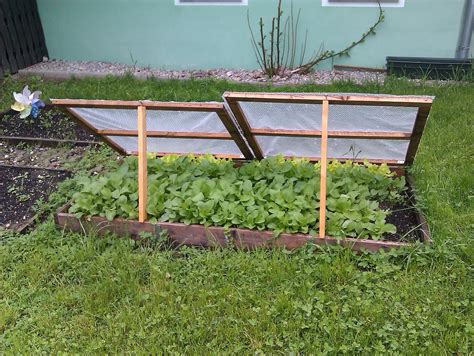
- Row Covers: Lightweight row covers can be draped over young plants to protect them from flying insects like cabbage moths and squash bugs. Ensure they are securely anchored to prevent pests from crawling underneath.
- Hand-Picking: For larger pests like tomato hornworms or slugs, manual removal is highly effective. Inspect your plants regularly and simply pick them off. For slugs, setting out beer traps (shallow dishes filled with beer) can lure and drown them.
- Sticky Traps: Yellow sticky traps can effectively catch flying insects such as whiteflies, fungus gnats, and aphids. Place them strategically near affected plants.

Attracting Beneficial Insects
Nature provides its own pest control in the form of beneficial insects. Creating a habitat that attracts these allies can significantly reduce pest problems.
- Plant Nectar-Rich Flowers: Flowers like dill, cilantro, calendula, cosmos, and sweet alyssum provide nectar and pollen for ladybugs, lacewings, parasitic wasps, and hoverflies, which are all voracious predators of garden pests.
- Provide Water: A shallow water source can also attract beneficial insects to your garden.
![[100+] Imagens De Miraculous Ladybug | Wallpapers.com](/images/aHR0cHM6Ly90czQubW0uYmluZy5uZXQvdGg/aWQ9T0lQLjAxZHZLcUJ1RDhrd1B2SHJuUU5Fc2dIYUV1JnBpZD0xNS4x.webp)
Conclusion
Managing pests in an organic vegetable garden is an ongoing process that requires patience, observation, and a willingness to experiment. By combining preventive strategies with natural sprays, physical barriers, and encouraging beneficial insects, you can create a balanced ecosystem where your vegetables can thrive without the need for harmful chemicals. Embrace these DIY solutions to cultivate a healthier, more productive garden that’s truly in harmony with nature.