What are the best low-waste methods to preserve excess garden produce for winter?

As summer fades and autumn arrives, a bountiful garden often leaves us with a delightful dilemma: how to enjoy its harvest long after the growing season ends. For those embracing a country living ethos, preserving produce isn’t just about extending the pantry; it’s about minimizing waste, fostering self-sufficiency, and savoring the fruits of your labor sustainably. Thankfully, numerous low-waste methods allow you to stock your larder for winter without relying on excessive packaging or energy.
Canning: The Classic Reusable Method
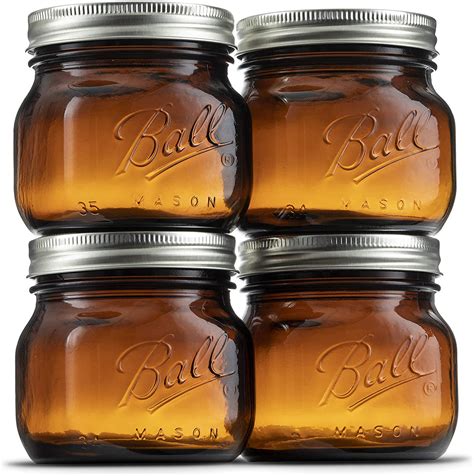
Canning, whether through water bath or pressure canning, is a time-honored tradition that epitomizes low-waste preservation. Glass jars are endlessly reusable, requiring only new lids for each season (which can often be recycled). Water bath canning is ideal for high-acid foods like tomatoes, fruits, and pickles, while pressure canning is essential for low-acid vegetables, meats, and soups to ensure safety.
To maximize sustainability, consider composting any food scraps from preparation, and reuse canning water for future batches or for watering your garden. The initial investment in equipment pays off over years of preserved goodness.
![A Guide to Vintage Canning Jars [History & Values] • Adirondack Girl ...](/images/aHR0cHM6Ly90czMubW0uYmluZy5uZXQvdGg/aWQ9T0lQLjVJNDQ3Mk5xaG9CWUlfazNMU0FfVXdIYUctJnBpZD0xNS4x.webp)
Freezing: Energy-Efficient and Versatile
Freezing is one of the easiest and most versatile ways to preserve nearly any type of garden produce. While it requires freezer space, many low-waste practices can be integrated. Blanching vegetables before freezing not only preserves color and nutrients but also reduces volume, allowing you to fit more into reusable containers or silicone freezer bags. Fruits can often be frozen whole or sliced without blanching.
Opt for durable, reusable freezer-safe containers made from glass, stainless steel, or sturdy BPA-free plastic instead of single-use plastic bags. Label clearly with reusable tags or erasable markers to keep your inventory organized.
Dehydrating: Compact and Nutrient-Dense
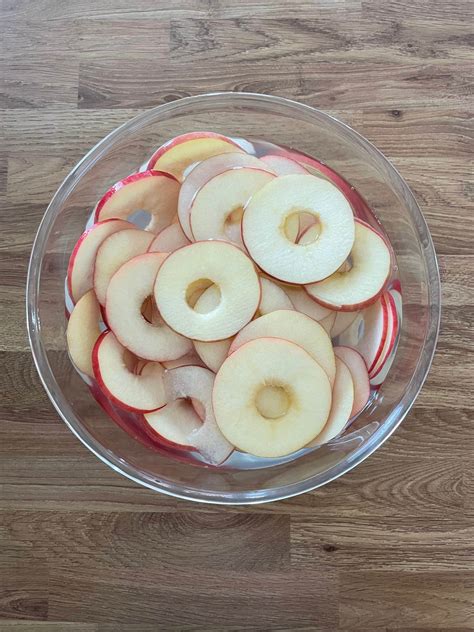
Dehydration removes moisture from food, inhibiting spoilage and dramatically reducing its weight and volume, making it perfect for compact, low-waste storage. Vegetables like kale, carrots, and peppers, and fruits such as apples, berries, and peaches, are excellent candidates. Herbs also dry beautifully, retaining their flavor for winter cooking.
You can use an electric dehydrator, your oven on a low setting, or even sun-dry in hot, dry climates. Once dried, store the produce in airtight glass jars or reusable bags. The energy used for drying is a one-time cost, as the dried food requires no refrigeration, making it a highly energy-efficient storage method.
Fermentation: Ancient Art, Modern Appeal
Fermentation is a wonderfully low-waste and incredibly healthy way to preserve vegetables. By harnessing beneficial bacteria, you transform fresh produce into probiotic-rich foods like sauerkraut, kimchi, pickles, and lacto-fermented vegetables. This method primarily uses salt, water, and reusable glass jars, creating virtually no waste.
The process enhances flavor and extends shelf life significantly, often requiring only cool pantry storage once fermentation is complete. Beyond its low-waste credentials, fermented foods offer fantastic health benefits, adding a unique tang to winter meals.
Root Cellars & Cool Storage: Passive Preservation
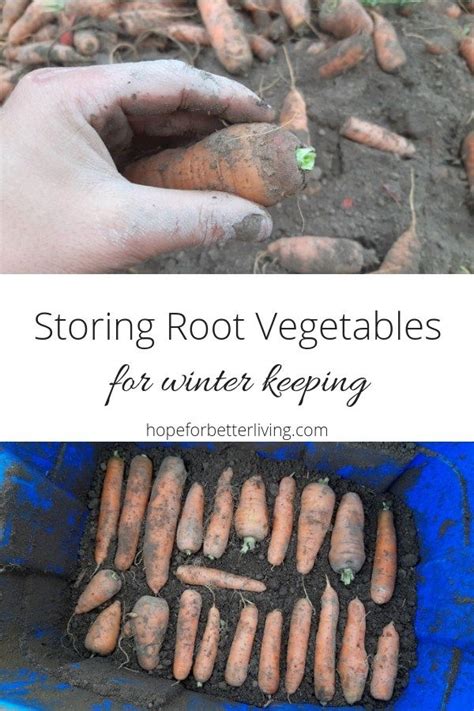
For those with a dedicated space or even a cool, dark corner, root cellaring or cool storage is the ultimate low-waste method, requiring no energy input beyond harvesting. Root vegetables like potatoes, carrots, beets, and parsnips, along with apples, onions, and garlic, thrive in these conditions. The ideal root cellar provides consistent cool temperatures (just above freezing) and high humidity.
If a true root cellar isn’t an option, a cool basement, unheated pantry, or even an insulated garage can serve the purpose for many items. Store produce in bins, baskets, or crates with natural ventilation, often layered with sand or sawdust to maintain humidity and prevent sprouting. This method keeps your produce fresh and firm for months with zero packaging waste.
Embracing these low-waste preservation methods not only ensures a steady supply of nutritious, homegrown food through the winter but also aligns perfectly with a sustainable country lifestyle. Each jar, bag, or bin represents a step towards greater self-sufficiency, reduced environmental impact, and a deeper connection to the rhythm of the seasons. Start experimenting with a method that suits your space and produce, and enjoy the abundance your garden provides year-round.