What are the best methods for building rich, organic soil in a new country garden?

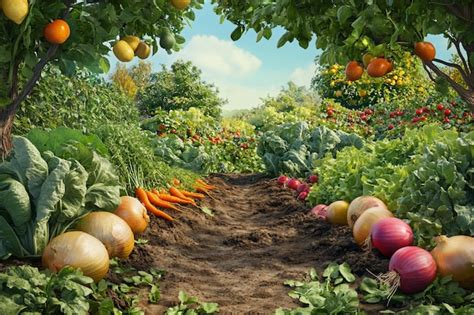
Embarking on a new country garden is an exciting venture, but often the existing soil needs significant improvement to support vibrant, productive plant life. Building rich, organic soil from scratch is not just about adding nutrients; it’s about creating a living, breathing ecosystem that nurtures plants, conserves water, and resists pests and diseases naturally. This fundamental investment will pay dividends in the health and bounty of your garden for years to come.
Understand Your Starting Point: Soil Testing
Before you dig in, the single most valuable step you can take is to conduct a soil test. Send a sample to your local agricultural extension office or a private lab. This will provide crucial information about your soil’s pH, nutrient levels (macro and micro), and organic matter content. Knowing your baseline allows you to make informed decisions about amendments and targeted strategies, saving you time and resources.
The Cornerstone: Composting
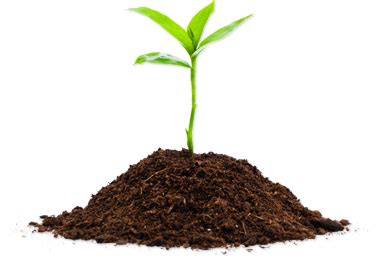
Compost is often called ‘black gold’ for good reason – it’s decomposed organic matter packed with essential nutrients, beneficial microorganisms, and humus, which dramatically improves soil structure. Starting a compost pile or bin is perhaps the most impactful action you can take to build organic soil.
- How to Start: Create a balanced mix of ‘greens’ (nitrogen-rich: kitchen scraps, grass clippings, fresh manure) and ‘browns’ (carbon-rich: fallen leaves, straw, shredded paper, wood chips). Keep the pile moist like a wrung-out sponge and turn it regularly to aerate.
- Benefits: Improves soil structure, enhances water retention and drainage, provides a slow-release source of nutrients, and introduces a diverse array of beneficial microbes.
Nature’s Blanket: Cover Cropping
When garden beds are fallow, especially over winter, don’t leave them bare. Planting cover crops, also known as ‘green manures,’ protects the soil from erosion, suppresses weeds, and adds valuable organic matter.
- Types: Legumes like clover and vetch fix atmospheric nitrogen; grains like rye and oats add significant biomass; buckwheat and radishes break up compaction.
- Application: Sow seeds at the appropriate time for your climate. In spring, they can be tilled (or chopped and dropped in no-till systems) into the soil before planting your main crops, enriching the soil as they decompose.
Building Layers: Sheet Mulching (Lasagna Gardening)
Sheet mulching is an excellent method for quickly creating new garden beds with rich soil without extensive digging. It suppresses existing weeds and builds fertility layer by layer.
- Process: Start with a layer of cardboard directly on the ground (remove tape and labels). Thoroughly wet it. Then, alternate layers of ‘greens’ (kitchen scraps, fresh grass clippings, manure) and ‘browns’ (leaves, straw, wood chips) until you have a thick bed, usually 12-18 inches deep. Top with a few inches of finished compost for immediate planting.
- Benefits: Suppresses weeds, conserves moisture, attracts earthworms and beneficial microbes, and rapidly builds nutrient-rich soil.
Embrace the Soil Food Web: No-Dig/Minimal Tillage
Traditional tilling can disrupt the delicate soil food web, destroy fungal networks, and release stored carbon. Adopting no-dig or minimal tillage practices preserves soil structure and encourages the natural processes that build healthy soil.
- Approach: Instead of digging, add organic matter directly to the soil surface (e.g., compost, mulch, cover crop residue). Earthworms and other soil organisms will do the work of incorporating it.
- Benefits: Improves soil structure over time, enhances water infiltration, encourages beneficial fungal and microbial life, reduces weed seed germination, and requires less physical labor.

Strategic Amendments: Beyond Compost
While compost is king, other organic amendments can provide targeted benefits to your new garden.
- Aged Manure: Well-rotted cow, horse, or chicken manure provides a powerful nutrient boost and organic matter. Ensure it’s aged to prevent burning plants.
- Worm Castings: Vermicompost is a highly concentrated, nutrient-rich soil amendment that also introduces beneficial microbes.
- Mineral Dusts: Rock dusts, greensand, or kelp meal can replenish trace minerals often depleted in cultivated soils, promoting stronger plant growth and improved health.

Long-Term Soil Health: An Ongoing Journey
Building rich, organic soil is not a one-time project but a continuous process. Consistently apply these methods – regularly top-dressing with compost, mulching beds, utilizing cover crops, and minimizing disturbance – to maintain and enhance your soil’s vitality. Observe your plants and the soil; they will tell you what they need. With patience and persistence, your new country garden will flourish, yielding abundant harvests from truly living soil.